Toll Free: 866.905.6744 | Local: 845.652.5250
“Ethernet is the plumbing of the Internet,” Ethernet co-inventor Bob Metcalfe has said. That image fits the cable tucked behind a desk, clipped along a hallway, or routed through a ceiling. Cat 5e cables remain a practical choice for many homes and offices, but the label alone does not tell the whole story.
Technical standards provide useful benchmarks. TIA-568.2-D specifies Category 5e cabling performance up to 100 MHz. IEEE 802.3 defines 1000BASE-T Gigabit Ethernet operation over balanced twisted-pair cabling, with a channel length of up to 100 meters. These figures describe performance under specified conditions; they do not guarantee every cable or installation will deliver the same result. Connector quality and workmanship matter.
The main types differ by construction and intended setting. Unshielded twisted pair (UTP) is common indoors. Shielded versions can help manage electrical interference, but require compatible installation and grounding. Solid-conductor cable suits permanent runs; stranded cable bends more easily for patch leads. Outdoor and plenum-rated options address specific environmental needs. The labels can mislead. A thick jacket is not proof of better performance, and “shielded” is not automatically the right choice. This guide compares the types, their practical uses, and the details worth checking before purchase.
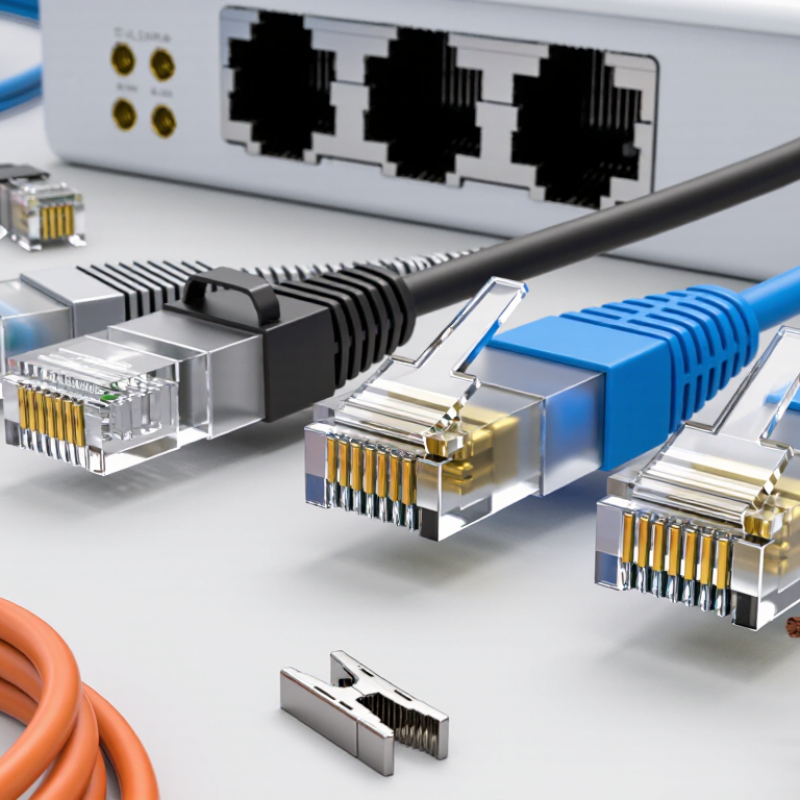
Cat 5e describes a performance category, not one single cable design. Its types are commonly classified by shielding, jacket rating, and conductor construction. Unshielded twisted pair is widely used indoors and is often adequate where electrical interference is low. Shielded versions add a foil or braided screen to reduce interference, but the screen must be installed and grounded correctly. Labels can vary between suppliers, so check the cable’s construction details rather than relying on one abbreviation.
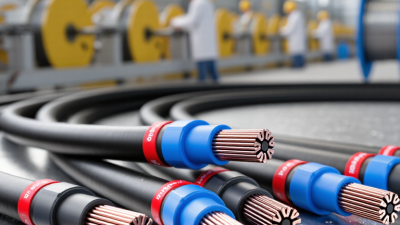
Jacket ratings indicate where a cable is intended to be installed. Plenum-rated cable is designed for air-handling spaces, while riser-rated cable is intended for vertical runs between floors. General-purpose jackets suit many other indoor routes. Outdoor-rated cable adds protection against moisture or sunlight, but it is not automatically suitable for direct burial. Details matter. Conductors are also classified as solid or stranded. Solid conductors are commonly used for fixed in-wall runs; stranded cable bends more easily and is often used for short patch leads. A small but important distinction: mixing types during installation can affect durability and performance. Check the full route, not just the visible cable.
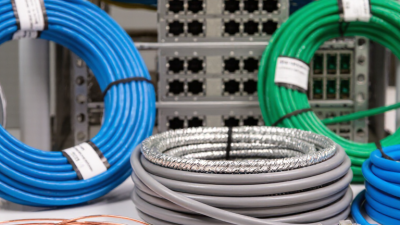
Unshielded Cat 5e cables are a practical choice for everyday networks in homes, classrooms, and small offices. Their four twisted copper pairs carry data without a foil or braided shield, keeping the cable flexible and easy to route through walls or desk spaces. Simple. Cost-effective.
The Telecommunications Industry Association’s ANSI/TIA-568.2-D standard specifies Cat 5e performance up to 100 MHz. IEEE 802.3 defines 1000BASE-T Gigabit Ethernet for balanced copper cabling across channels up to 100 meters. These figures make Cat 5e suitable for many wired devices, including desktop computers, printers, and access points. Actual performance still depends on sound installation.
For example, a cable squeezed behind a desk or sharply bent around a doorframe may suffer damage over time. Keep runs away from strong electrical interference where practical, and use properly terminated connectors. Unshielded cable is not automatically unreliable; it simply offers less protection from external interference than shielded cable. That distinction matters in workshops or crowded equipment areas. In a typical home, though, extra shielding may solve a problem that is not there. I would still check the route before choosing.
Shielded Cat 5e cables are useful near variable-frequency drives, motors, or long runs beside power wiring, where electromagnetic interference can disrupt data signals.
ANSI/TIA-568.2-D specifies Cat 5e performance up to 100 MHz. IEEE 802.3ab defines 1000BASE-T Gigabit Ethernet over four pairs, with a channel length of up to 100 metres when installed to specification. These are benchmarks, not guarantees. Poor terminations can still cause trouble.
Details matter.
Common shielded constructions include F/UTP, with an overall foil screen, and U/FTP, with foil around each pair. S/FTP combines pair foils with an overall braid. The right choice depends on the interference environment and installation design. Shield continuity and compatible connectors matter; a shielded cable alone cannot compensate for careless routing or termination. It is tempting to specify the heaviest shielding everywhere, but that can add cost and make installation harder without solving the actual problem. Measure the route, identify nearby noise sources, and follow the cable and connector manufacturers’ grounding instructions. Not automatically better.
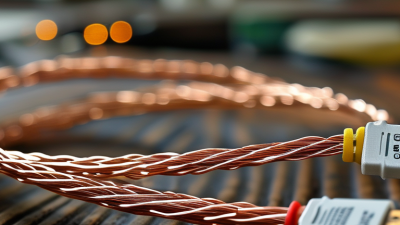
Solid-core and stranded Cat 5e cables serve different jobs. Solid-core cable uses one solid copper conductor for each wire. It is suited to fixed runs inside walls, ceilings, and patch panels. Its conductors sit firmly in insulation and connect reliably to insulation-displacement terminals. Once installed, however, it does not handle repeated bending well.
Stranded cable uses several thin copper strands in each conductor. That construction makes it more flexible, so it works well for short patch cords between a wall outlet and a computer. Easier to bend. Still, flexibility is not a free upgrade: stranded cable generally has slightly higher electrical resistance and may be less suitable for long permanent runs. Cat 5e can support Gigabit Ethernet over a compliant channel up to 100 meters, but cable type, connectors, and installation quality all matter.
A practical choice depends on where the cable will move. Use solid-core cable for stable building runs, and stranded cable for cords that are unplugged or shifted often. Check the cable’s copper conductor and gauge, too; the outer jacket alone tells little about performance. The distinction can feel fussy, especially for a small home setup. Yet tight bends or poor terminations can undo the advantage of either design.
Solid-Core and Stranded Cat 5e Cable Designs
Solid-core cable uses one solid copper conductor per wire, making it well suited to fixed installations. Stranded cable uses multiple smaller conductors twisted together, so it is more flexible and commonly used for patch leads. Seven strands is a common stranded construction, but the strand count varies by cable design.
Indoor Cat 5e cable suits ordinary rooms, offices, and enclosed pathways. For ceiling spaces used to circulate air, plenum-rated cable is designed to limit flame spread and smoke under NFPA 262 testing. Riser-rated cable is intended for vertical runs between floors, where fire could travel through a shaft. The jacket markings matter. A generic indoor cable is not automatically suitable for either space.
Outdoor Cat 5e uses jackets built to resist sunlight and moisture; direct-burial versions may add water-blocking protection. TIA-568.2-D specifies Category 5e performance to 100 MHz, with a channel length of up to 100 meters. IEEE 802.3ab defines 1000BASE-T gigabit Ethernet over four pairs. Those figures describe the performance target, not a guarantee for damaged cable or poor terminations.
A practical check is to match the cable’s printed rating to the route, then inspect connectors and bends. Easy to overlook. A label alone cannot confirm that an installed link meets specification.