China Top Control Cable Manufacturers for Global Buyers
Choosing a control cable manufacturer in China requires more than comparing prices or browsing polished product catalogs. Global buyers need evidence of engineering capability, stable materials, traceable production, and responsive technical support. A suitable supplier should explain conductor construction, insulation type, shielding, bending performance, temperature range, and application limits clearly. Factory audits, sample testing, and production records also deserve attention. Small details matter. A cable routed beside a motor may face vibration, electromagnetic interference, oil, heat, or repeated movement.
Cable engineering specialist Dr. Richard W. Clegg has offered a practical reminder: “Specification is not the same as suitability.” This principle remains valuable when evaluating Chinese control cable manufacturers for machinery, automation systems, elevators, robotics, and industrial equipment. A product may meet a stated voltage or temperature rating, yet perform poorly in a demanding installation. Buyers should compare test methods, certification scope, batch consistency, and actual project experience. Independent verification can strengthen confidence.
This guide introduces leading China-based manufacturers serving international markets. It considers product range, customization capacity, quality controls, export experience, and communication standards. No ranking is perfect. Supplier strengths can change with ownership, equipment, or management priorities. That limitation deserves acknowledgment. Buyers should confirm current certificates, production locations, lead times, and warranty terms before placing orders. They should also request samples under realistic operating conditions, not only visual approval. Reliable sourcing is rarely dramatic. It is built through documented evidence, careful questions, and repeated performance.
Control Cables Explained: Structure, Signal Types, Voltage Ratings, and IEC 60227
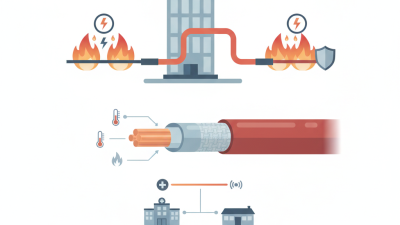
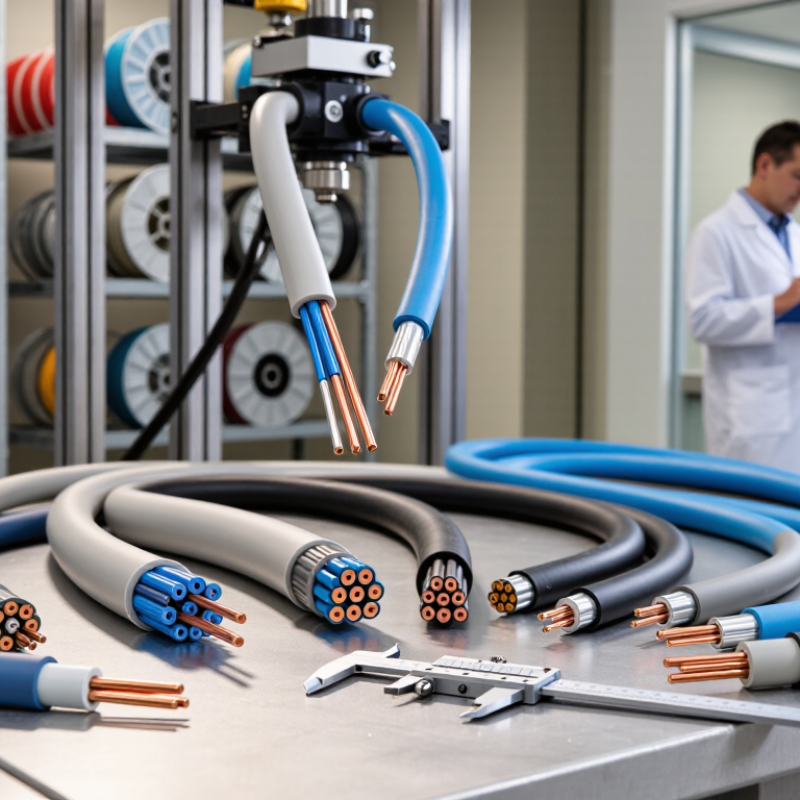
Control cables are built for dependable command signals, not simply for carrying large loads. A typical cable uses stranded copper conductors, PVC insulation, fillers, an inner covering, and an outer sheath. Numbered cores simplify termination inside crowded control cabinets. Shielding may be added when drives, sensors, or long cable routes create electrical noise.
Signal type determines the practical design. Discrete signals switch equipment on or off. Analog signals, such as 4–20 mA, communicate changing measurements. Pulse and low-voltage digital signals need controlled capacitance and careful grounding. A shield helps, but it is not magic. Poor bonding or an incorrectly grounded shield can increase interference instead of reducing it.
IEC 60227 covers PVC-insulated cables with rated voltages up to and including 450/750 V, depending on the applicable cable type and construction. The rating is not a safe operating target. A 300/500 V control circuit still needs suitable insulation, temperature performance, bending flexibility, and installation protection. Buyers should check conductor resistance, insulation resistance, voltage testing, core identification, and documentation before approval. In my experience, voltage is often checked first, while signal integrity is treated as an afterthought. That can be a costly weakness. IEC 60227 may also not cover every specialized control cable, so the exact standard, cable type, and destination requirements must be verified.
Control Cables Explained: Structure, Signal Types, Voltage Ratings, and IEC 60227
Control cables typically contain one or more copper conductors, PVC insulation, optional fillers or screens, and an outer sheath. They may transmit discrete control signals, analog signals, or low-voltage power for control circuits. The chart compares the rated conductor-to-earth voltage (U0) and conductor-to-conductor voltage (U) of representative IEC 60227 PVC cable designations. These voltage ratings describe insulation capability, not the communication protocol or signal type.
Key Certifications for Global Buyers: ISO 9001, CE, RoHS, UL, and CCC
China Top Control Cable Manufacturers for Global Buyers
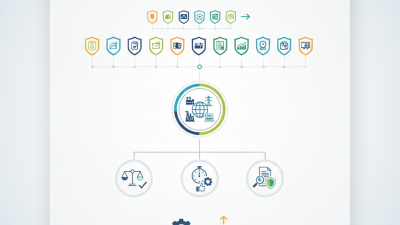
For global buyers, certification is a practical way to assess control cable suppliers. ISO 9001 shows that a manufacturer operates a documented quality management system. It does not guarantee every cable performs perfectly. Buyers should review inspection records, material traceability, and corrective-action reports.
CE marking confirms conformity with applicable European requirements, not universal product quality. RoHS addresses restricted substances in cable materials, including insulation and terminal components. UL certification may support safety acceptance in North American projects, but the certificate scope matters. Check the exact cable construction, voltage rating, and manufacturing location. Do not rely on a logo alone.
CCC certification may be required for certain products sold in China. Requirements depend on product category and use. Experienced suppliers should provide current certificates, test reports, and clear model references. Ask whether testing covered flame resistance, conductor resistance, insulation thickness, and bending performance. These details often reveal more than a sales brochure.
A small gap can matter.
One practical concern is certificate timing. Documents may remain visible after a model changes or approval expires. Buyers should verify issuing bodies, certificate numbers, factory addresses, and renewal dates independently. Certification is valuable evidence, but it is not the whole evaluation. Samples, factory audits, packaging checks, and communication quality still deserve careful review before bulk purchasing.
Export Selection Guide: MOQ, Lead Time, Customization, Testing, and Warranty Terms
China Top Control Cable Manufacturers for Global Buyers
For global buyers, supplier selection should begin with export evidence, not a polished catalog. Request the manufacturer’s MOQ, production capacity, and recent shipment records. A practical MOQ may be 500 pieces, but complex assemblies often require more. Confirm whether the MOQ applies per model, color, or cable length. Small details matter.
Lead time should include material purchasing, assembly, testing, and packing. Standard control cables may ship within 15 to 25 working days. Customized jackets, connectors, or printed markings can add two weeks. Ask for a written production schedule. I have seen buyers accept attractive delivery promises without checking component availability. That mistake creates avoidable pressure.
Customization requires clear drawings, tolerance limits, and sample approval. Specify conductor size, insulation material, bend radius, connector type, and operating temperature. Testing should cover continuity, insulation resistance, tensile strength, and bending cycles. Request batch records and a sample inspection before shipment. Do not rely only on a supplier’s general certificate. Warranty terms should state coverage, claim evidence, response time, and replacement responsibility. Twelve months is common, but the wording matters. Some warranties exclude installation damage too broadly. Review those exclusions carefully, and ask for a pilot order before committing to large volumes.