How to Choose the Right Control Cable for Your Needs?
Choosing the right control cable can seem overwhelming. With various options available, understanding your specific needs is crucial. Control cables play a vital role in numerous applications, from industrial machinery to consumer electronics. Their performance impacts safety and efficiency.
Consider factors such as the environment where the cable will be used. Will it face extreme temperatures or exposure to moisture? The materials and construction of the control cable can significantly affect its longevity and reliability.
Moreover, cable specifications like gauge, shielding, and connectors play important roles. An inappropriate choice can lead to malfunction or even damage. Reflecting on past experiences can guide your decision. Evaluate the potential consequences of selecting the wrong control cable. Making an informed choice is essential for optimal performance and safety.
Understanding Control Cables: Types and Functions
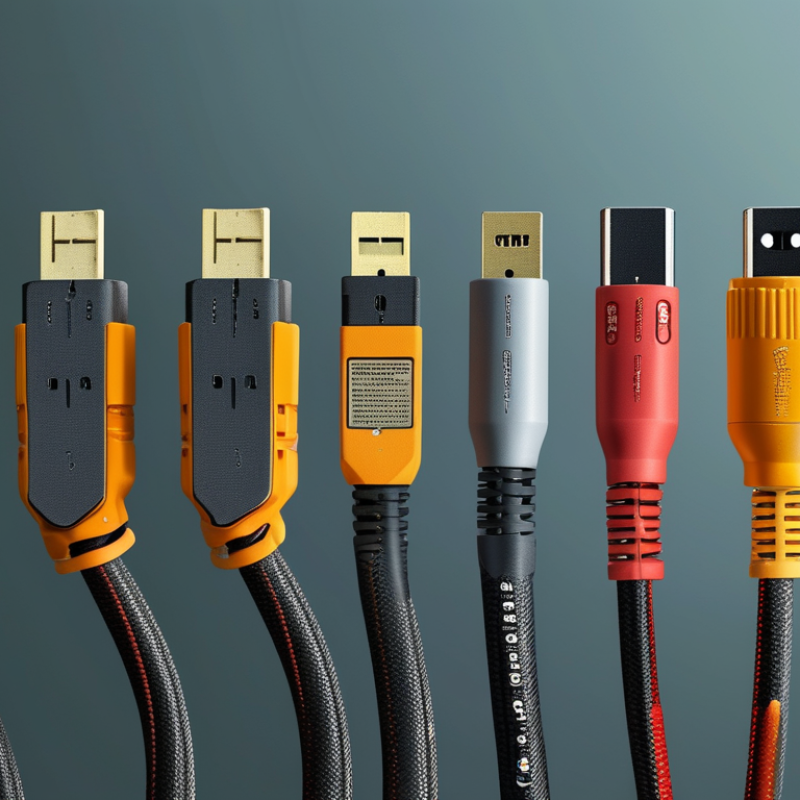
Control cables play a critical role in various applications, from industrial machinery to home automation. Understanding their types and functions is essential for making an informed selection. Generally, control cables are categorized based on their construction and purposes. For instance, shielded cables minimize electromagnetic interference, making them suitable for sensitive environments. Unshielded cables, on the other hand, are often used in less critical settings due to their cost-effectiveness.
Choosing the right control cable also involves understanding its intended use. Consider factors such as temperature, flexibility, and exposure to chemicals. Certain cables are designed for high flexibility, which is needed in moving applications. Others might be more rigid, best suitable for static installations. Reflect on how these aspects align with your needs.
When purchasing control cables, one key point is to research the specifications carefully. Confirm that the cable meets or exceeds the required industry standards. Seek guidance from experts if uncertain. This helps ensure reliability in performance. Each application may expose cables to different stresses. A mismatch can lead to premature failures, impacting productivity and safety. Consider consulting with professionals in cable selection to avoid common pitfalls.
Key Factors to Consider When Choosing Control Cables
Choosing the right control cable is crucial for ensuring the efficient operation of your equipment. Several key factors come into play when making this decision. Understanding the environment where the cable will be used is essential. Indoor environments may have different requirements compared to outdoor, especially in terms of exposure to elements and temperatures.
Cable type and construction must also be considered. Shielding, conductor material, and insulation affect performance. For example, shielding helps reduce electromagnetic interference, crucial in sensitive applications. Think about the required flexibility, especially in moving applications. Rigid cables may not perform well where bending is frequent.
When selecting cables, it helps to get expert advice. Be mindful of common pitfalls, such as overlooking voltage ratings or environmental conditions. Always double-check specifications against your needs. Small mistakes can lead to significant issues. Testing cables under actual operational conditions can reveal their true performance. Avoid making assumptions based on theoretical data alone.
Evaluating Cable Specifications for Your Application
Choosing the right control cable requires careful evaluation of various specifications. The first step is to identify the application’s requirements, such as temperature range and environmental conditions. For instance, outdoor installations need cables that can withstand UV light and moisture. Indoor applications might focus on flexibility and ease of installation.
Next, consider the cable's voltage rating and current capacity. High voltage applications necessitate cables with proper insulation. Current capacity is equally crucial. Cables that are too thin for a high current can overheat, leading to potential failures. Additionally, the number of conductors and their arrangement can affect performance. A misunderstanding in conductor layout could cause interference or inadequate power distribution.
Another factor is the cable's overall durability. Many cables are subject to wear and tear, especially in dynamic applications. Choosing a cable that’s robust yet flexible may pose challenges. Furthermore, not all cables are resistant to chemical exposure. This can be a critical oversight in industrial settings. Evaluating these aspects will help ensure you select a suitable cable that meets your specific needs.
How to Choose the Right Control Cable for Your Needs?
| Cable Type |
Conductor Material |
Insulation Type |
Voltage Rating |
Temperature Rating |
Shielding Type |
Flexible Quality |
| PVC Control Cable |
Copper |
PVC |
600V |
-10°C to 70°C |
Unshielded |
Good |
| XLPE Control Cable |
Copper/Aluminum |
XLPE |
0.6/1kV |
-40°C to 90°C |
Shielded |
Excellent |
| Low Smoke Zero Halogen (LSZH) Cable |
Copper |
LSZH |
450/750V |
-20°C to 90°C |
Unshielded |
Good |
| Flexible Control Cable |
Stranded Copper |
PVC |
300/500V |
-15°C to 60°C |
None |
Very Good |
Common Applications of Control Cables Across Industries
Control cables are vital in various industries, ranging from manufacturing to transportation. In industrial automation, they control machinery and equipment, ensuring accurate operation. According to a recent report by the International Society of Automation, 70% of automation failures stem from poor cable selection. This highlights the need for careful consideration of cable types.
In the automotive industry, control cables manage critical functions such as throttle control and gear shifting. A survey by the Society of Automotive Engineers found that 85% of manufacturers prioritize durability and flexibility when selecting cables. Cables must endure harsh environments and frequent movements.
When choosing control cables, consider their application. Different environments demand different specifications. Ensure the cable materials are suited for temperature changes, moisture, and exposure to chemicals. Reflect on the cable length and gauge as well; improper specifications can lead to signal degradation.
Consider factors like shielding and insulation to minimize interference. Evaluate the cable’s electrical and mechanical ratings to ensure they align with your equipment needs. Testing under real-world conditions can reveal potential weaknesses. Implementing a proactive approach can prevent future disruptions.
Tips for Proper Installation and Maintenance of Control Cables
When installing control cables, proper practices can significantly impact their performance and lifespan. Industry reports indicate that improper installation can reduce cable efficiency by up to 40%. This underscores the importance of following guidelines during the installation process.
One effective approach is to ensure that cables are not excessively bent or twisted. Sharp bends can lead to internal damage, affecting signal transmission. For example, maintaining a bend radius of at least ten times the cable's diameter is a common recommendation. This minimizes stress on the cable and promotes longevity.
Another critical aspect is securing cables in place to prevent movement. Loose cables are prone to wear and could suffer from abrasion. Using proper clips or ties at intervals can help maintain their position. If you notice any signs of wear during routine inspections, address them immediately, as neglect can result in more significant issues later. Regularly checking connections for tightness can also prevent performance degradation. High-quality maintenance focuses on prevention, which is far more efficient than reactive repairs.
Control Cable Types and Their Applications