Toll Free: 866.905.6744 | Local: 845.652.5250
Choosing the right cable for home requires more than comparing prices or polished product photographs. In 2026, household cabling must support stable internet, clear audio, reliable video, and safe everyday power connections. Chinese manufacturers now offer wide selections, from Ethernet and coaxial cables to HDMI, speaker, and low-voltage solutions. Their quality can vary significantly.
This guide examines ten leading manufacturers through practical criteria. These include material consistency, shielding performance, connector strength, bend radius, insulation quality, testing procedures, and export experience. A cable may look impressive, yet perform poorly behind a wall. Copper purity matters. So does jacket flexibility. A tight installation can expose weak construction within months.
Steve Lampen, a recognized cable-industry author and Belden expert, offers a useful reminder: “There are no bad cables, only bad applications.” His point remains relevant for every cable for home project. A long HDMI run needs different engineering from a short speaker connection. A damp basement also demands different protection from a dry living room.
No list is perfect. Manufacturer data can change, and online specifications are not always complete. Buyers should verify current certifications, test reports, warranty terms, and production capabilities before ordering. Independent inspection remains valuable, especially for large projects. The companies featured here were selected for their visible manufacturing strengths, product range, technical communication, and suitability for residential applications. Some may excel in custom orders, while others provide stronger consistency at scale. The best choice depends on the actual room, distance, equipment, and installation conditions.
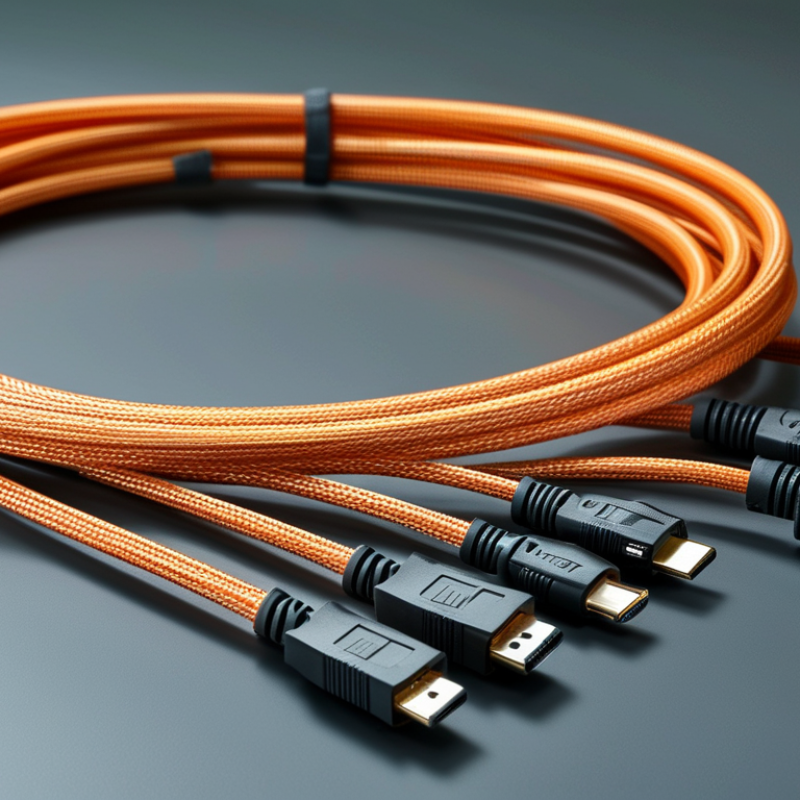
A leading home cable manufacturer offers more than attractive pricing. It provides stable performance from the first sample to repeated production batches. During supplier evaluations, buyers should inspect copper purity, conductor flexibility, insulation thickness, and jacket consistency. Small differences can affect heating, bending, and long-term safety inside walls.
Reliable manufacturers maintain documented quality systems and traceable production records. Each batch should connect to material certificates, process data, and test results. Look for tests covering voltage resistance, flame behavior, insulation strength, and dimensional accuracy. Reports should come from competent laboratories or verified internal facilities. Clear communication matters too. Technical staff should explain tolerances without hiding weaknesses.
A capable factory also understands household installation conditions. It can recommend suitable cable sizes for lighting, sockets, appliances, and smart-home equipment. Samples should be tested after bending, temperature exposure, and repeated handling. Not every polished sample reflects mass-production quality. This is where many buyers become too confident. Factory audits, independent inspections, and random batch testing remain necessary. Even experienced teams can miss a change in raw-material sourcing. A dependable supplier welcomes difficult questions and records corrective actions. That attitude often reveals more than a modern showroom.
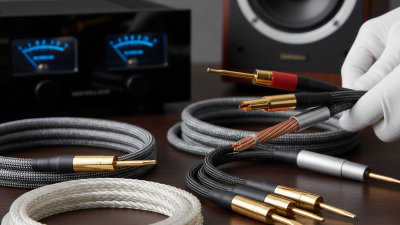
Residential wiring now supports lighting, appliances, heat pumps, security devices, and fast data connections. The International Energy Agency reports that buildings consume about 30% of global final energy. Therefore, cable selection affects safety and efficiency, not only installation cost. PVC-insulated copper cable remains common for indoor circuits. XLPE insulation suits higher thermal demands. Low-smoke, zero-halogen cable can reduce toxic smoke in enclosed areas. It costs more. That trade-off needs honest evaluation.
It costs more. That trade-off needs honest evaluation.
Data networks require different designs. Cat 6 and Cat 6A twisted-pair cables support high-speed home networks over structured runs. Coaxial cable still serves television and broadband systems. Fiber optic cable offers strong bandwidth and immunity to electromagnetic interference. The 2024 MarketsandMarkets low-voltage cable report projects steady global growth through 2029, driven partly by building upgrades and electrification. However, market forecasts are not installation instructions. Local load calculations still matter.
Flexible cords connect movable appliances, while fire-resistant cables protect selected emergency circuits. GB/T and IEC requirements help define conductor size, insulation performance, voltage rating, and flame behavior. A reliable manufacturer should provide traceable test reports, batch markings, and clear bending-radius data. I have seen neat-looking cables fail after tight installation. Small details matter. Residential buyers should question vague claims, especially “premium” labels without test evidence.
Ranking China’s leading home cable manufacturers requires more than comparing catalog pages. The evaluation should begin with factory experience, production scale, and documented quality controls. Evidence matters. Not promises.
Auditors should review copper purity records, insulation consistency, conductor size, and flame-retardant performance. Samples should undergo resistance, tensile, bending, aging, and voltage tests in controlled laboratories. For network and communication cables, signal loss and shielding performance also deserve close attention. Certificates must be current, traceable, and matched to the actual product model. A polished certificate alone proves little.
A reliable ranking should examine how manufacturers manage raw materials, batch identification, and final inspection. Factory visits can reveal practical details, such as labeled storage areas, calibrated testing equipment, and sealed cartons ready for shipment. Delivery history, minimum order flexibility, packaging protection, and technical support should receive measurable scores. Clear product drawings and honest tolerance data show professional communication. After-sales response matters too. Small failures become expensive quickly.
The ranking should combine verified records, independent test results, customer feedback, and direct technical interviews. Weighting must remain transparent, perhaps giving quality and compliance greater importance than low pricing. Price still matters. However, the cheapest cable may bring unstable performance or higher replacement costs. Some evidence may be incomplete, especially when suppliers restrict factory access. That limitation should be recorded rather than ignored. A fair ranking accepts uncertainty and updates scores when stronger evidence appears.
China’s top ten home cable manufacturers in 2026 show different strengths rather than one shared formula. A coastal producer focuses on flexible power cords for lamps and appliances. An inland factory specializes in PVC-insulated household wiring for renovation projects. A third supplier develops flame-retardant cables for kitchens and utility rooms. Its testing records deserve careful checking. Another manufacturer offers low-smoke materials for apartments, offices, and public interiors. A fifth company is known for compact cables used inside smart-home devices.
A sixth manufacturer serves retail distributors with shorter production runs and custom packaging. This can help smaller importers. A seventh combines copper drawing, insulation, and final testing under one site. That structure may improve traceability. An eighth supplier concentrates on high-temperature cables for ovens, heaters, and demanding household equipment. A ninth company provides large-volume building wire, with color consistency and stable sizing as its main advantages. The tenth manufacturer focuses on export support, documentation, sample approval, and shipment coordination.
Professional buyers should examine conductor purity, insulation thickness, voltage ratings, bending performance, and batch reports. Factory visits can reveal details that brochures omit, such as storage humidity and line cleanliness. Reliable suppliers usually explain test methods clearly and accept independent inspection. However, no profile is flawless. Some factories have excellent equipment but slow technical communication. Others respond quickly but offer limited customization. Claims about certifications should be checked against current documents and applicable market requirements. A useful evaluation also compares failure handling, replacement policies, delivery records, and sample consistency. Price alone remains a weak buying guide.
Residential cable specification profile based on commonly applied Chinese and IEC voltage classes
The chart compares standard rated-voltage classes commonly used in residential wiring and low-voltage building applications. The figures represent nominal voltage values documented in widely used GB and IEC cable specifications, rather than sales, revenue, or individual company performance.
China Top 10 Cable for Home Manufacturers in 2026
Choosing a Chinese home cable supplier requires more than comparing prices. Grand View Research valued the global wire and cable market at about USD 216.5 billion in 2022. It also expects steady growth through 2030. This expanding market can hide uneven quality. Ask suppliers for conductor-resistance results, insulation tests, flame-performance records, and batch traceability. A polished brochure is not evidence.
Check the factory, not only the trading office. Review production equipment, copper sourcing, laboratory instruments, and inspection procedures. Request samples from the same production line used for bulk orders. Measure cable diameter, flexibility, labeling, and resistance with an independent laboratory. Small details matter. For export projects, confirm compliance with the destination’s electrical standards, including required safety certifications and restricted-substance rules. ISO 9001 certification can support process control, but it does not guarantee every cable is suitable for home installation. The International Energy Agency reports that buildings consume around 30% of global energy, increasing attention on safe and efficient electrical systems. I would also negotiate clear terms for replacement, testing, packaging, and delivery delays. My checklist is imperfect; supplier conditions can change after approval. Re-audit critical suppliers before large orders.
| Rank | Anonymous Supplier Profile | Main Home-Cable Focus | Typical Voltage Rating | Conductor Options | Insulation / Sheath | Relevant Standards | Quality Evidence to Request | Typical Planning Lead Time |
|---|---|---|---|---|---|---|---|---|
| 1 | Profile A — Building-Wire Specialist | Single-core wires for lighting, sockets and residential distribution boards | 450/750 V | Class 1 solid or Class 2 stranded copper | PVC insulation, commonly 70°C-rated | GB/T 5023; IEC 60227 | Conductor resistance, insulation resistance, voltage test and dimensional inspection reports | 7–15 working days for standard specifications |
| 2 | Profile B — Flexible Appliance-Cable Supplier | Flexible cords for lamps, household appliances and extension products | 300/500 V or 450/750 V | Fine-stranded annealed copper | PVC or halogen-free thermoplastic insulation | GB/T 5023; IEC 60227; applicable appliance requirements | Flexing test, conductor resistance, flame test and finished-cable inspection records | 10–20 working days, depending on color and construction |
| 3 | Profile C — Low-Smoke, Halogen-Free Cable Manufacturer | Cables for apartments, public residential buildings and enclosed spaces | 450/750 V or 0.6/1 kV | Solid or stranded copper; aluminum available for selected power sizes | LSZH insulation and sheath | IEC 60754; IEC 61034; relevant GB/T product standards | Halogen-acid-gas, smoke-density, flame-retardance and oxygen-index test results | 15–25 working days for custom LSZH compounds |
| 4 | Profile D — Flame-Retardant Residential Cable Supplier | Flame-retardant wires for walls, ceilings and cable conduits | 450/750 V | Copper, with optional tinned-copper versions | Flame-retardant PVC or LSZH | GB/T 19666; GB/T 5023; IEC 60332 where required | Vertical flame-propagation test, insulation aging and conductor resistance records | 10–18 working days for regular constructions |
| 5 | Profile E — Residential Power-Cable Manufacturer | Low-voltage power cables for villas, apartment feeders and outdoor connections | 0.6/1 kV | Copper or aluminum conductors, single-core or multicore | PVC, XLPE or LSZH insulation | GB/T 12706; IEC 60502-1 | Routine test reports, partial-discharge capability where applicable, and material traceability | 15–30 working days, depending on conductor size |
| 6 | Profile F — Solar-Ready Home Cable Supplier | DC cables for rooftop photovoltaic systems and home energy storage | 1.0/1.5 kV DC, depending on design | Tinned flexible copper | XLPO or cross-linked halogen-free insulation and sheath | EN 50618; IEC 62930; TÜV 2 PfG 1169 where specified | UV, ozone, water-resistance, flame, bend and low-temperature test evidence | 15–25 working days for certified PV cable assemblies |
| 7 | Profile G — Home Data and Communication Cable Supplier | Ethernet, security, smart-home and structured-cabling products | Low-voltage signal cable | Solid or stranded copper; copper-clad aluminum should be clearly declared | PVC, LSZH or PE jackets | ANSI/TIA-568.2-D; ISO/IEC 11801; applicable CPR requirements | Insertion loss, return loss, NEXT, DC resistance and transmission-performance reports | 12–25 working days for category-specific products |
| 8 | Profile H — Fire-Alarm and Security Cable Manufacturer | Cables for smoke alarms, access control, CCTV and residential security systems | 30–300 V, according to system design | Solid copper or stranded copper pairs | PVC, shielded PVC or LSZH jacket | Relevant GB/T, IEC and local fire-system requirements | Shield coverage, loop resistance, insulation resistance and flame-performance reports | 10–20 working days for standard control cables |
| 9 | Profile I — Custom-Molded Home Cable Assembly Supplier | Pre-terminated cords, plugs, connectors and appliance cable assemblies | 250 V or 300/500 V, depending on destination market | Flexible copper conductors with crimped or molded terminals | PVC, rubber, TPE or LSZH | IEC 60320, IEC 60884 and destination-market plug requirements | Terminal pull test, continuity, polarity, dielectric-strength and molding inspection records | 20–35 working days including tooling and sample approval |
| 10 | Profile J — Export-Oriented Multi-Standard Cable Supplier | Mixed residential cable programs for Asian, European and North American markets | 300/500 V, 450/750 V or 0.6/1 kV | Copper and aluminum; metric and AWG sizes | PVC, XLPE, rubber or LSZH constructions | GB/T, IEC, EN, UL or CSA requirements according to destination | Valid certificates, factory audit records, batch traceability and independent laboratory reports | 20–40 working days for multi-market or customized orders |
Note: The profiles above are anonymous supplier categories rather than company or brand rankings. Actual compliance, capacity, pricing, lead time and certification status should be verified directly with each shortlisted Chinese manufacturer before purchase.