How to Choose the Best Fire Cable for Your Needs?
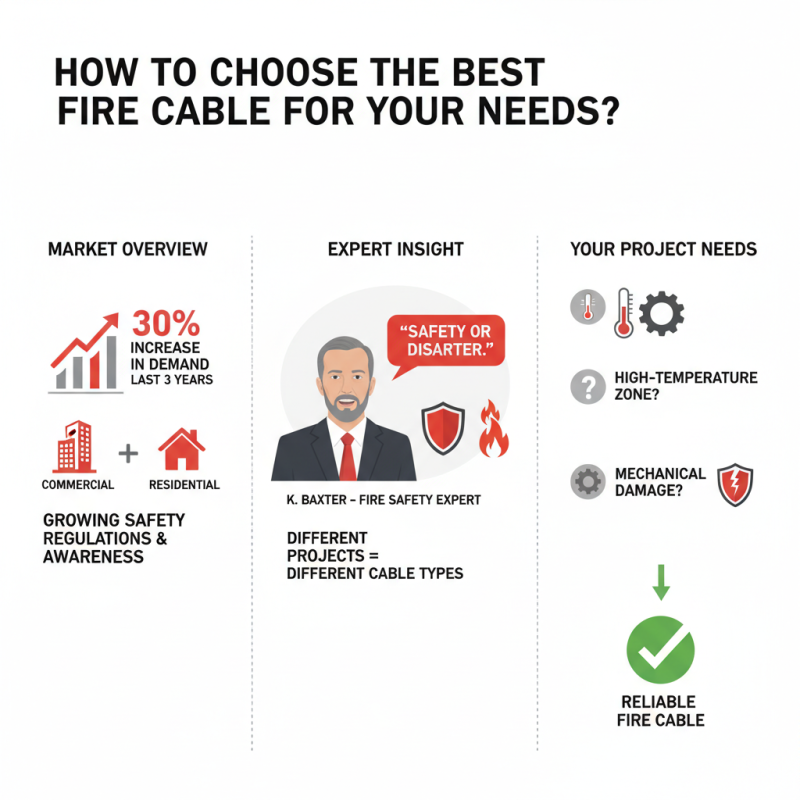
When selecting the best fire cable for your specific needs, understanding the complexities of the market is crucial. According to a recent report by the Fire Safety Cable Association, the demand for fire-resistant cables has surged by 30% over the past three years. This increase is due to growing safety regulations and heightened awareness of fire hazards in both commercial and residential sectors.
Expert Kevin Baxter, a notable figure in the fire safety industry, emphasizes, "Choosing the right fire cable can mean the difference between safety and disaster." Such insights underline the importance of making informed decisions. Different projects require various fire cable types, optimized for specific environments.
With a multitude of options available, reflecting on your specific requirements is essential. Is your project in a high-temperature zone? Will it encounter potential mechanical damage? Understanding these factors guides you toward the most reliable fire cable for your situation.
Understanding Fire Cable Types and Standards
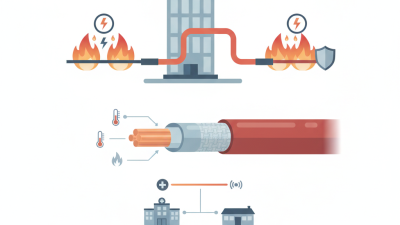
When choosing the right fire cable, understanding the different types is crucial. Fire cables primarily fall into several categories:
basic fire resistant,
enhanced fire resistant, and
non-combustible cables. Each type is designed for specific applications and environments. Basic fire resistant cables maintain circuit integrity for a limited time, useful for less critical systems.
Enhanced cables offer longer protection, ideal for emergency systems. Non-combustible cables, meanwhile, are suitable for high-risk areas.
Standards play an essential role in the selection process. Compliance with national and international fire safety standards ensures reliability and safety. For instance, cables might meet IEC,
BS, or NFPA standards. Familiarity with these regulations helps in ensuring your installation adheres to the minimum safety requirements.
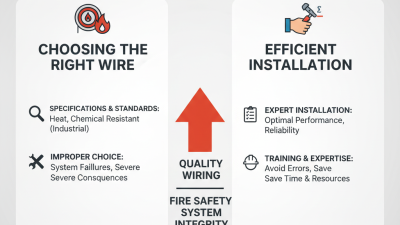
However, the multitude of standards can be overwhelming. It's important to evaluate their relevance to your specific application. Choose wisely to avoid costly errors in the future.
When selecting a fire cable, consider both installation conditions and the potential fire risks involved. Think about the environment where the cable will be placed. Factors like temperature fluctuations, exposure to moisture, and potential mechanical damage should influence your choice.
Sometimes, seeking advice from an expert can help clarify confusing aspects. Always aim for a solution that balances performance and compliance.
Assessing Your Specific Fire Safety Requirements
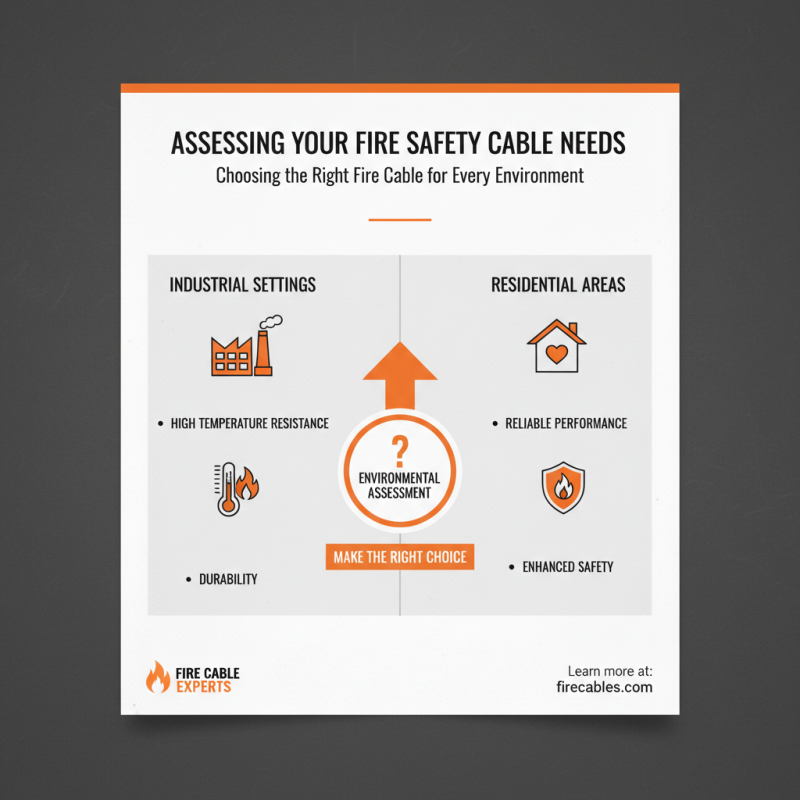
When selecting the best fire cable, understanding your specific fire safety requirements is crucial. Different environments have unique needs. For example, industrial settings may require fire cables that withstand high temperatures. In contrast, residential areas focus on cables that provide reliable performance and safety. Assessing the environment where the cable will be installed helps in making the right choice.
Consider factors like smoke emission and toxicity. A cable that emits non-toxic smoke is essential for safe evacuation during a fire. Also, think about the duration of fire resistance needed. Some cables must withstand flames longer than others. It's essential to balance these factors based on your unique situation.
While you might want the most advanced solution, it’s vital to weigh costs against requirements carefully. Sometimes, the most sophisticated option may not be necessary. Regularly reviewing your fire safety setup is important. Needs can evolve, and what once seemed ideal may require reassessment. Understanding your environment and evaluating your choices leads to better safety outcomes.
Evaluating Environmental Conditions for Cable Installation
When evaluating environmental conditions for fire cable installation, consider several factors. Temperature extremes can impact the cable's performance. According to the National Fire Protection Association (NFPA), cables must withstand specific temperature ranges, especially in industrial settings. For instance, ambient temperatures above 90°F can degrade insulation over time.
Moisture levels are also critical. Cables exposed to high humidity or water may require a different insulation type. The International Electrotechnical Commission (IEC) highlights that improper selection can lead to corrosion. Regular assessments can identify potential risks early, ensuring optimal performance.
Another factor is the presence of chemicals. Harsh chemicals can erode cable materials, causing failures. The Occupational Safety and Health Administration (OSHA) recommends using appropriate protective coatings for cables exposed to vapors or spills. These conditions complicate installation, demanding careful consideration of material choices. Each environment presents unique challenges, indicating that a one-size-fits-all approach is insufficient. Regular reviews and adjustments ensure long-term safety and efficiency.
Comparing Performance Ratings of Fire Cables
When selecting fire cables, understanding their performance ratings is crucial. These ratings indicate how well the cable can withstand high temperatures and electrical stress. Typically, fire cables are assessed based on their insulation properties and the materials used in their construction. The higher the rating, the better the cable can perform in critical situations. Be sure to look for fire-resistant ratings, such as those established by international standards.
Tips: Always check the installation environment. If the cables will be exposed to harsh conditions, select a cable with a higher performance rating. Additionally, consider the cable's flexibility, as it might need to be maneuvered around tight corners or other structures.
It’s important to recognize that performance ratings can be misleading. Not all cables labeled as “fire-resistant” offer the same level of protection. Review independent test results whenever possible for thorough insights. Staying informed about the latest developments in fire safety technologies may help in making the best choice. Remember, just because a cable looks good on paper doesn't mean it will perform well in practice.
Performance Ratings of Fire Cables
Selecting the Right Supplier for Quality Assurance
When selecting a supplier for fire cables, quality assurance is essential. A reliable supplier demonstrates proven experience in the field. Look for companies with rigorous testing protocols. They should adhere to industry standards and safety regulations. This ensures the products meet necessary performance criteria.
Reputation is key. Research the supplier’s history and reviews. Did they deliver on time? Were the products reliable? Client feedback provides insights into their service consistency. Don’t hesitate to ask for recommendations. This process can reveal suppliers with a solid track record.
Consider the range of products offered. A supplier with diverse options can meet various needs. They may specialize in different types of fire cables suited for unique environments. However, be wary of suppliers that promise too much without clarity. Quality is often revealed in details, such as insulation materials and fire ratings. Ensure their claims are backed by certifications or test results. This diligence pays off in the long run for your safety and compliance needs.