7 Tips for Choosing the Right Fire Alarm Wire
Choosing the right fire alarm wire is a safety decision, not merely a purchasing task. The cable must carry alarm signals reliably when heat, smoke, and confusion affect the building. A low price may look attractive, but unsuitable insulation or poor conductor quality can create serious installation problems.
This guide examines seven practical factors before you select a fire alarm wire. These include cable construction, temperature resistance, voltage requirements, shielding, fire performance, installation conditions, and compatibility with the alarm system. A wire routed through a warm ceiling space may need different protection from one installed inside a cool, dry wall. Small details matter.
Details matter greatly.
Experienced installers usually review the alarm panel manual, project drawings, and applicable fire-safety requirements before ordering cable. They also check conductor size, jacket markings, bend radius, and environmental ratings. Product certifications and manufacturer documentation can provide valuable evidence, but they should not replace professional judgment or field testing. Even a correctly labeled cable may perform poorly if terminals are loose or the route is damaged.
I have seen specifications treated as optional, especially during rushed renovations. That approach deserves careful reconsideration. The best choice balances code compliance, system compatibility, durability, and installation practicality. It should also remain traceable, so future technicians can identify and test the cable without guessing. These seven tips are designed to support safer decisions, while recognizing that every building presents different risks and technical conditions.
Define Fire Alarm Wire Types and Their Intended Applications
7 Tips for Choosing the Right Fire Alarm Wire
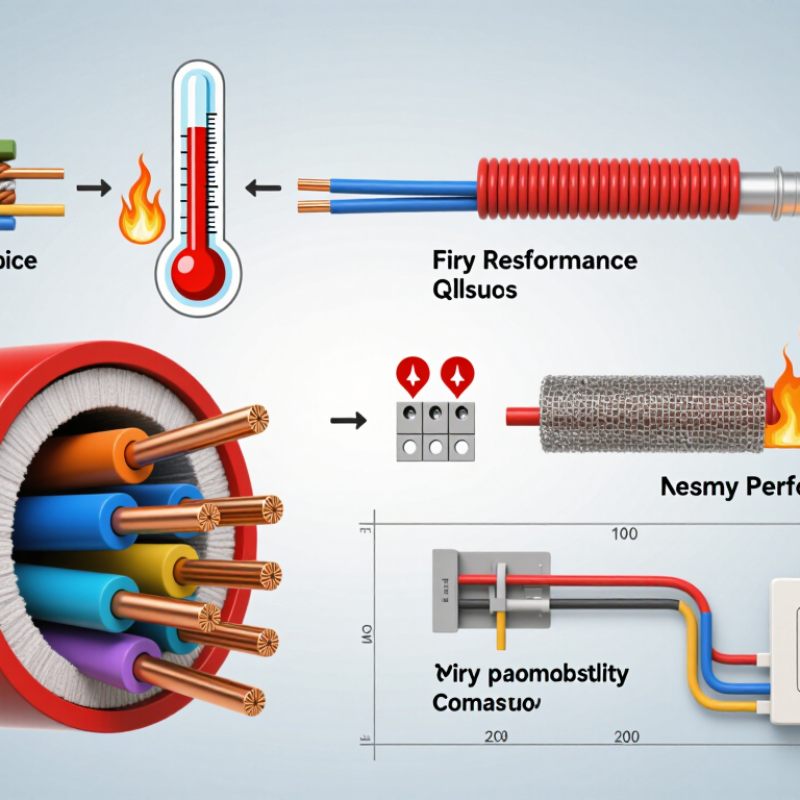
Fire alarm wire is not a single product. Its listing identifies where it may be installed and how it should be protected. FPL is commonly used in accessible indoor spaces without special environmental requirements. FPLR is designed for vertical runs, such as shafts and multistory risers. FPLP is intended for plenum spaces, where air movement can carry smoke between rooms. A small label matters.
Nonpower-limited fire alarm cable, often marked NPLF, serves circuits with different power characteristics and installation requirements. The cable must match the fire alarm system design, not just the detector type. Shielded twisted-pair cable can reduce electrical noise near motors, fluorescent lighting, or communication equipment. It may be useful, but shielding does not correct poor grounding or careless routing. That part is easy to overlook.
In practical installations, check conductor size, insulation temperature, voltage rating, fire rating, and maximum circuit length. Solid copper conductors are common for fixed fire alarm wiring, while flexible stranded conductors may suit specific connections when permitted. Wet or exposed areas require cable listed for those conditions, not ordinary indoor cable. Local electrical and fire codes control the final choice, and requirements can differ by jurisdiction. I have seen projects specify plenum cable everywhere “for safety,” although that can add cost without solving the actual installation problem. Review the pathway, environment, circuit limits, and termination method together. Don't trust the jacket alone.
Check Code Ratings, Fire Resistance, and Installation Requirements
7 Tips for Choosing the Right Fire Alarm Wire
Check Code Ratings, Fire Resistance, and Installation Requirements
Choose wire with the correct circuit classification for your fire alarm system. A cable approved for one application may fail another inspection. Check local electrical and fire codes before ordering materials. Requirements can differ between buildings, authorities, and installation methods.
Verify the cable’s temperature, voltage, smoke, and flame ratings. Fire resistance matters most where circuits must operate during an emergency. Look for documented testing from a recognized certification body. Do not rely only on a sales description. Ask for current technical documents. Check conductor size against voltage drop calculations, especially on long corridors or multi-floor systems. Small errors become expensive later.
Review the installation environment carefully. Wet areas, plenums, shafts, and exposed ceilings may require different jacket materials. Confirm whether the cable must run in conduit or use a listed wiring method. Keep power and signal wiring separated when codes require it. Follow bend radius limits. Tight bends can damage insulation. Use compatible supports, fittings, and firestopping materials. Have a qualified installer verify routing and terminations. The authority having jurisdiction should review uncertain details before work begins. Field conditions can change the plan. That is where careful judgment matters. Keep test results, product records, and inspection notes together. A neat file supports future maintenance and proves the installation was checked. Mistakes still happen, so review the finished wiring before closing walls.
Choose the Correct Wire Size for Distance and Electrical Load
Choosing fire alarm wire is not simply a matter of matching terminal colors. Distance and electrical load often determine whether a system performs reliably during an alarm. A long circuit creates voltage drop, while horns, strobes, modules, and detectors increase current demand. The wire must deliver enough voltage at the farthest device, not just at the panel. Measure the complete circuit path, including return conductors.
Start with the equipment manual, approved installation drawings, and local fire code requirements. Calculate total current, then check the allowable voltage drop for the circuit. Larger conductors usually reduce resistance and preserve voltage over long runs. Copper size, conductor count, insulation temperature, and installation conditions also matter. A crowded conduit can change heat performance. Do not guess from distance alone. A 200-foot run may suit one load but fail with another.
During field work, label each circuit and test the end-of-line voltage under actual alarm conditions. I once treated a modest load as harmless, but combined strobe current exposed a weak voltage margin. That estimate needed revision. Leave practical space for future devices when the design allows it. Verify polarity, continuity, resistance, and battery performance before commissioning. Ask the authority having jurisdiction when code interpretation is unclear. Small errors become loud failures.
7 Tips for Choosing the Right Fire Alarm Wire
Choose the Correct Wire Size for Distance and Electrical Load
This illustrative comparison assumes a 24 V DC circuit, a 0.5 A load, a 3 V maximum voltage drop, and a two-conductor copper loop. Larger conductors have lower resistance and can support longer cable runs. Always verify the actual device load, standby and alarm current, conductor ampacity, installation conditions, local fire codes, and the fire alarm system manufacturer’s requirements before selecting wire.
Compare Insulation, Shielding, and Environmental Protection Features
Choosing fire alarm wire requires more than checking conductor size. In field installations, insulation often determines long-term reliability.
Tip one: confirm the insulation temperature rating matches the installation space.
Tip two: choose low-smoke, flame-resistant insulation where evacuation routes may be affected.
Tip three: inspect flexibility, because stiff jackets can crack around tight bends.
Small details matter.
Shielding deserves equal attention.
Tip four: use a shield when nearby motors, lighting circuits, or radio equipment may create electrical interference.
A foil shield can reduce unwanted signals, while a drain wire supports proper grounding.
Tip five: verify the shield construction, not only the word “shielded” on a datasheet.
I have seen attractive specifications hide unclear grounding requirements. That can cause avoidable troubleshooting.
Environmental protection completes the selection.
Tip six: match the outer jacket to moisture, sunlight, chemicals, and temperature exposure.
A cable in a damp ceiling needs different protection from one inside a dry office wall.
Tip seven: check resistance to abrasion and rodents when wires pass through unfinished areas.
Look for clear test documentation and installation guidance from qualified sources. One mistake is treating all protected jackets as waterproof. They are not.
Before approval, compare the wire’s markings with local fire codes and the actual route, including penetrations, bends, and support spacing.
A clean installation still depends on careful verification.
Verify Compatibility, Quality Standards, and Long-Term Reliability
7 Tips for Choosing the Right Fire Alarm Wire
Verify that the wire matches your fire alarm panel, devices, voltage, and circuit type.
Compatibility problems may remain hidden until an alarm occurs. Check conductor size, insulation rating, shielding, and polarity requirements before installation. Select cable listed for fire alarm use under applicable standards, such as NFPA 70, NFPA 72, UL 1424, or local regulations. Requirements vary by location. Do not rely only on a supplier’s product description. Review the certification mark, test records, and installation instructions. Ask a qualified electrical professional to confirm unclear details.
Choose copper conductors with consistent construction and clear markings.
Inspect the jacket for cracks, flattened sections, moisture, or damaged printing. Test a sample cable for continuity and insulation resistance before pulling the full run. Keep separation from power wiring where required. Protect exposed cable near metal edges and busy service areas. Plan extra length for clean terminations.
It helps later.
Consider heat, smoke, moisture, chemicals, and mechanical stress at the installation site.
A cable suitable for a dry ceiling may fail in a damp utility room. Confirm temperature ratings and fire-resistance requirements for walls, risers, and plenum spaces. Use fire-rated supports and maintain bend limits. Document batch numbers, test results, routing, and inspection dates. This creates useful evidence for maintenance teams.
I have seen good cable choices weakened by poor labeling and rushed terminations. Recheck the plan when site conditions change; drawings are not always perfect.