2026 Top Fire Alarm Wire Options for Global Buyers?
In the evolving landscape of safety technology, choosing the right fire alarm wire is paramount for global buyers. Fire alarm systems rely heavily on effective wiring to ensure prompt communication during emergencies. The marketplace offers a variety of wire types, each suited to specific needs and standards.
Selecting the right fire alarm wire requires expertise. Buyers face choices based on material quality, insulation, and environmental resistance. Understanding these factors can be overwhelming. Many brands claim superiority, yet the decision ultimately hinges on compliance and reliability.
Recent advancements have aimed at improving performance. However, inconsistencies remain in product specifications. Buyers often struggle to navigate these discrepancies. Quality control is essential to prevent costly mistakes in installation. As the demand for fire safety increases, investment in the right fire alarm wire is not just wise, it’s necessary.
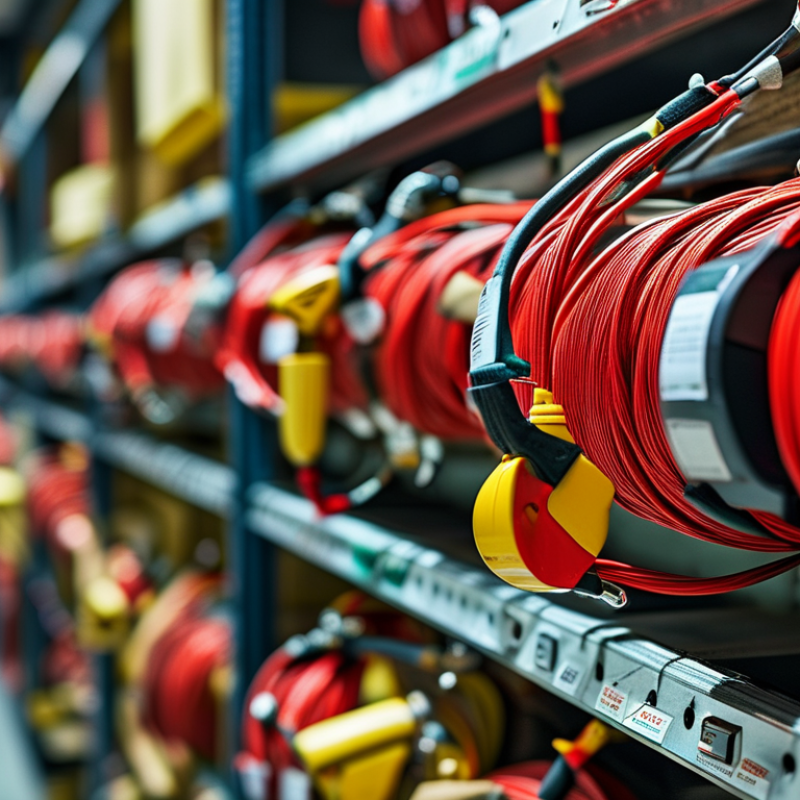
Key Features of Fire Alarm Wires for International Markets
Understanding the key features of fire alarm wires is essential for global buyers in 2026. Fire alarm wires must boast higher heat resistance specifications than standard wires. According to a recent industry report, fire alarm cables can withstand temperatures ranging from -40°C to 90°C, making them suitable for various environments.
Flexibility is another important feature. Many installations require bending and routing through tight spaces. High-quality fire alarm wires offer greater flexibility without compromising on performance. Additionally, an International Electrotechnical Commission (IEC) study indicates that the insulation materials used significantly impact durability and safety in extreme conditions.
Tips: Prioritize wires with low smoke and zero halogen characteristics. They enhance safety by minimizing harmful emissions in case of an emergency. Always consider local regulations and standards. Ensuring compliance can prevent costly legal challenges later.
While these features are essential, keep in mind that the market is constantly evolving. New technologies may emerge, changing the criteria for what defines quality fire alarm systems. This highlights the need for ongoing research and adaptation in wire selection.
Types of Fire Alarm Wires: A Comprehensive Overview
When it comes to fire alarm wires, various types cater to different needs. The most common type is the non-shielded twisted pair. This option is popular due to its cost-effectiveness and flexibility. It usually comes in a variety of gauges, allowing for easy installation in various settings. However, it might not always provide the best noise immunity.
Another essential option is the shielded twisted pair. This type offers better protection against electrical interference. This makes it suitable for environments with heavy machinery. Yet, its higher cost can limit its use in budget-sensitive projects. Many organizations overlook this critical aspect, which can lead to issues.
For harsh environments, using fire-resistant cables is crucial. These wires can withstand extreme heat. They are typically more durable and offer superior safety. However, they can be over-engineered for certain installations. This can make them less practical for smaller projects. As buyers explore fire alarm wire options, they should weigh the benefits and drawbacks carefully. Each wire type presents its unique advantages and challenges.
2026 Top Fire Alarm Wire Options for Global Buyers
| Type of Wire |
Conductor Material |
Insulation Material |
Temperature Rating |
Application |
| FPLP (Fire Alarm Power Limited Plenum) |
Copper |
PVC |
75°C |
Fire Alarm Systems |
| FPL (Fire Alarm Power Limited) |
Copper |
PVC |
75°C |
Fire Alarm Systems |
| PLTC (Power-Limited Tray Cable) |
Copper |
XLPE |
90°C |
Communication & Fire Alarm |
| CMX (Communications Multipurpose Cable) |
Copper |
PVC |
60°C |
Low Voltage Applications |
| C(Communications Cable) |
Copper |
PE |
75°C |
Signal Transmission |
Factors to Consider When Selecting Fire Alarm Wire
Selecting the right fire alarm wire can be challenging. Several factors must be considered to ensure safety and reliability. First, the gauge of the wire is crucial. Thicker wires handle more current but may be more expensive. However, thinner wires can have limitations, especially in larger buildings. Understanding the specific requirements of your installation is key.
Another essential consideration is the insulation material. Wire insulation protects against heat and environmental factors. For instance, thermoplastic rubber is highly flexible and can withstand extreme temperatures. This flexibility often leads to better installation results. On the other hand, less durable materials might fail in critical situations, leading to system malfunctions.
Lastly, the wire's fire resistance rating should not be overlooked. Fire-rated wires help prevent the spread of flames. However, there is often a trade-off between cost and safety features. Buyers might find it tempting to choose cheaper options, yet this could compromise effectiveness. Reflecting on these factors ensures that the final selection meets both safety and budgetary requirements.
2026 Top Fire Alarm Wire Options
Top Global Suppliers of Fire Alarm Wiring Solutions
In the ever-evolving landscape of fire alarm systems, the demand for high-quality wiring solutions is paramount. According to a recent report by MarketsandMarkets, the fire alarm market is projected to reach $33.8 billion by 2026, with a significant portion of this growth driven by advancements in wiring technology. Global suppliers are now focusing on more efficient, reliable materials that can withstand diverse environmental conditions.
One notable trend is the shift towards low-voltage wiring solutions. Fire safety professionals recognize the importance of cables that reduce energy consumption while maintaining performance standards. Research shows that systems utilizing low-voltage wiring can enhance safety features and reduce installation costs. However, challenges remain, such as ensuring the durability and resilience of these materials during emergencies.
Suppliers must continuously innovate and adapt to meet these needs effectively. Feedback from industry professionals suggests that many existing wiring solutions still require improvement in terms of flexibility and resistance to heat and chemicals. As the industry progresses, it is crucial to address these limitations. This will not only bolster the effectiveness of fire alarm systems but also ensure compliance with ever-changing safety regulations.
Future Trends in Fire Alarm Wire Technology and Material Choices
In the realm of fire alarm technology, advancements in wire materials are shaping the future. Industry reports show that fire alarm wire options are increasingly focusing on enhanced safety features. The shift towards environmentally friendly materials is gaining traction. More buyers are considering options like low-smoke zero-halogen (LSZH) cables for their fire-resistant properties.
Research indicates that, by 2026, demand for advanced wire technologies will grow substantially. The global fire alarm market is projected to reach $28 billion by 2026, with significant investments in innovative wire materials. These trends underline the importance of selecting wires that not only meet safety standards but also contribute to overall system performance.
Tips: When selecting fire alarm wires, consider the installation environment. Ensure that wires can withstand temperature fluctuations and have adequate insulation. Investing in high-quality wire can significantly reduce long-term maintenance costs. Remember, a single faulty wire can compromise the entire fire alarm system's effectiveness. Always stay informed about evolving technologies and material options to make the best choices for safety.