Top Guide to Choosing the Best PV Cable for Your Solar Projects?
Selecting the right PV cable is crucial for your solar projects. The effectiveness and safety of your solar system largely depend on this choice. Good quality PV cables ensure efficient energy transfer and longevity. However, the market offers a wide range of options, making the selection process challenging.
It's essential to understand the specifics of PV cables. Key factors like temperature rating, insulation type, and cable diameter affect performance. Many buyers overlook these details, leading to suboptimal decisions. The right cable can prevent failures and enhance system durability. Yet, the wrong choice can result in higher maintenance costs.
In this guide, we'll explore the critical aspects of choosing a PV cable. We aim to provide insights that combine professional knowledge and practical experience. With the right information, you can make informed choices for your solar projects. Let's dive into the essential features and considerations to keep in mind.
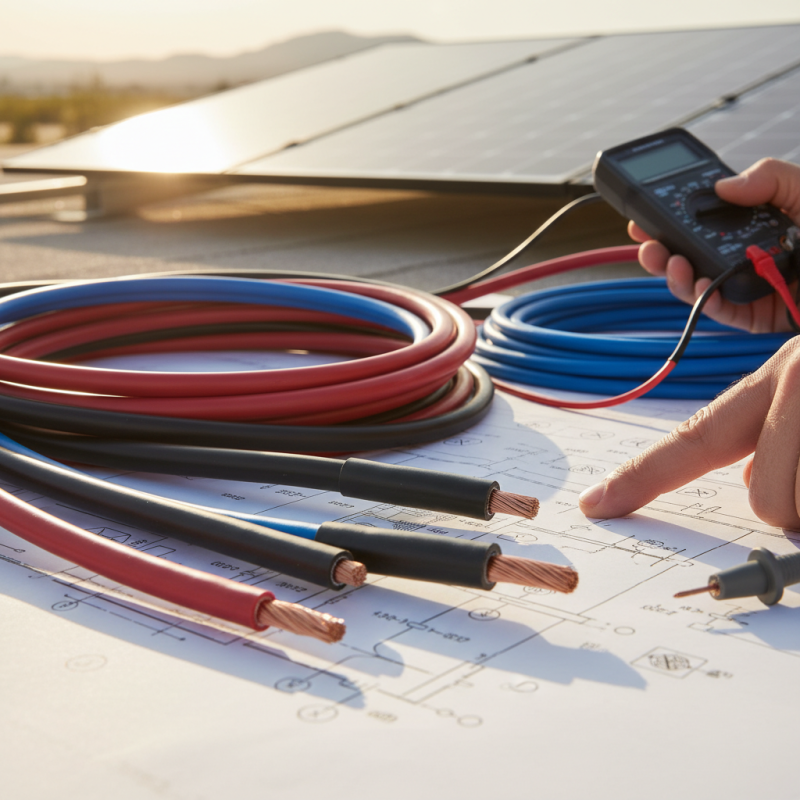
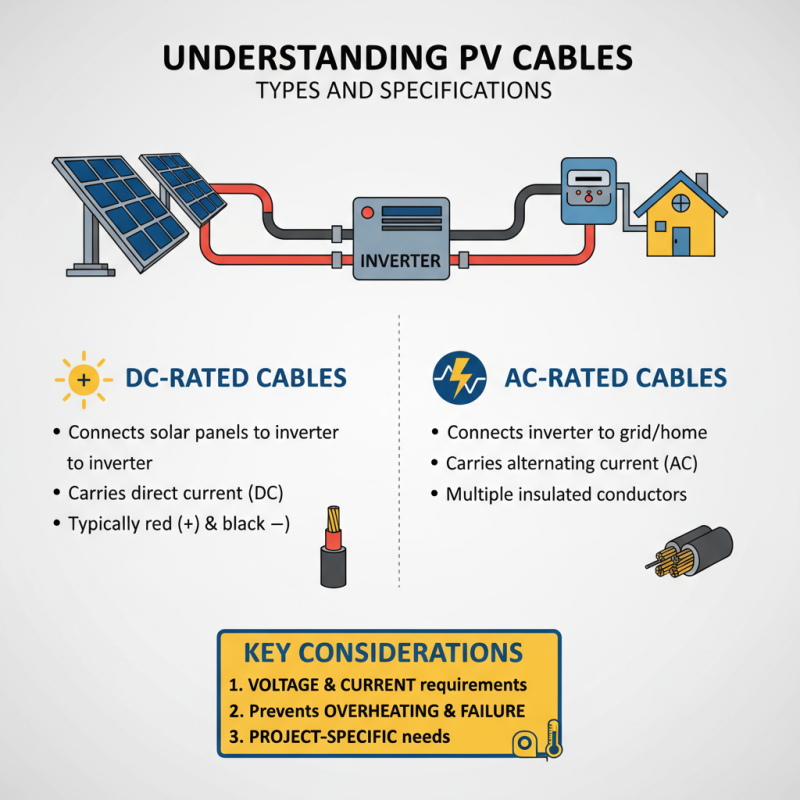
Understanding PV Cables: Types and Specifications
When selecting photovoltaic (PV) cables for solar projects, understanding the various types and specifications is crucial. PV cables primarily fall into two categories: DC-rated and AC-rated. Each type serves a specific purpose in the solar power system. It is essential to know the voltage and current requirements of your project before making a choice. This way, the cables can effectively handle the energy generated without risk of overheating or failure.
Additionally, specifications like temperature rating and insulation materials play a significant role. For instance, UV resistance is vital for cables exposed to sunlight. The wrong choice could lead to degradation over time. Similarly, flexibility and tensile strength should be evaluated, especially for installations in challenging environments. Reflecting on these details can help avoid costly mistakes.
Quality assurance is another integral factor. Not all cables meet the same standards. Researching manufacturer credentials and industry certifications can boost confidence in your selection. While personal experience can guide choices, relying solely on anecdotal evidence can lead to oversights. Balancing practical knowledge with thorough research is ideal for making informed decisions.
Key Factors to Consider When Selecting PV Cables
Choosing the right PV cable for solar projects is crucial.
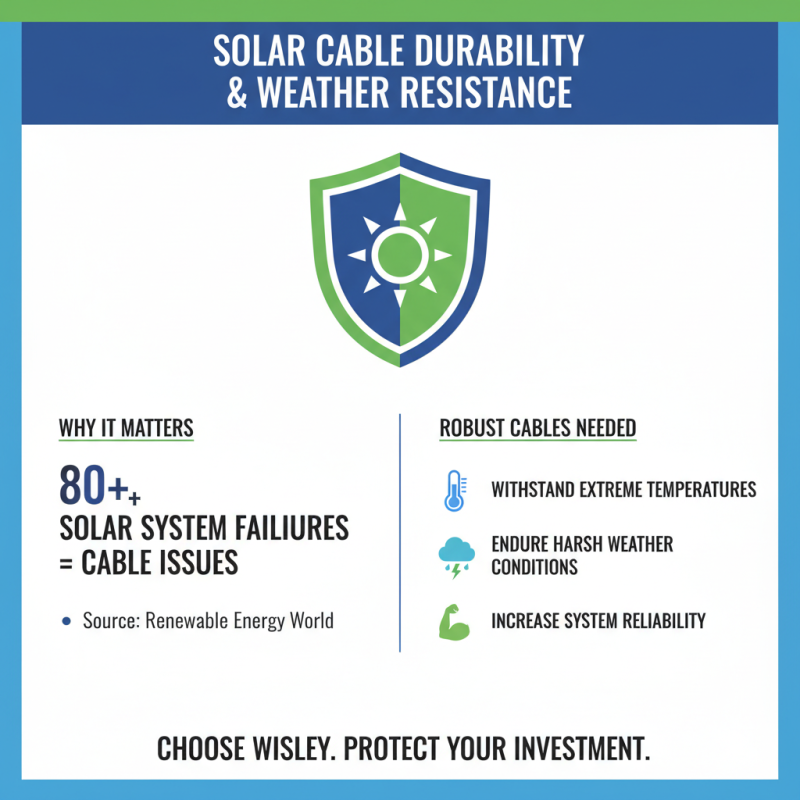
One key factor is the cable's temperature rating. Solar installations can face extreme heat.
Cables must withstand these conditions to prevent failures. Look for cables with appropriate
insulation materials. These should resist high temperatures and UV radiation.
Another important consideration is the cable's voltage rating.
It must match your system's requirements. Too low of a rating can lead to overheating and damage.
The cable's ampacity is equally vital. Ensure it can handle
the current produced by your solar panels efficiently. This prevents potential fire hazards.
Additionally, pay attention to the installation environment. Corrosive elements can damage cables.
In coastal areas, for example, choose cables with enhanced resistance. While some cables may offer
lower upfront costs, they might lack long-term durability. Investing in quality cables can save costs
on replacements and repairs. Reflect on your project's specific needs, and make informed choices.
Determining the Right Gauge and Length for Your Project
When selecting the right gauge and length for photovoltaic (PV) cables, several factors require careful consideration. The American Wire Gauge (AWG) system is vital. The gauge directly influences the cable's ability to carry current efficiently. For solar applications, a common recommendation is using a 10 AWG to 14 AWG wire, depending on the system's size. According to industry reports, using an undersized wire can lead to overheating and power loss due to increased resistance.
Length also plays a critical role. Long runs of cable can result in voltage drop, which impacts system performance. It's advisable to keep cable lengths as short as possible. For instance, a 100-foot run with a 10 AWG cable can still maintain acceptable voltage drop, while a 250-foot run might necessitate thicker wire. Always analyze the specific layout of your project for optimal performance.
Tips: When in doubt, consult PV system design software for help with gauge calculations. Regularly check connections for wear or corrosion, as this can also affect performance. Remember, investing time in choosing the right cables can significantly improve your project's energy yield.
Top Guide to Choosing the Best PV Cable for Your Solar Projects
| Cable Type |
Gauge (AWG) |
Length (feet) |
Current Rating (Amps) |
Temperature Rating (°C) |
| Solar PV Wire |
10 AWG |
100 |
30 |
90 |
| Single-Conductor Cable |
12 AWG |
150 |
20 |
80 |
| Dual-Conductor Cable |
14 AWG |
200 |
15 |
90 |
| Multiconductor Cable |
8 AWG |
75 |
40 |
90 |
| PV Solar Cable |
6 AWG |
50 |
50 |
110 |
Compliance with Industry Standards and Certifications
Choosing the right PV cable is crucial for the efficiency and longevity of solar projects. One key aspect to consider is compliance with industry standards and certifications. Cables must meet relevant safety regulations, ensuring they can withstand environmental factors like UV radiation and extreme temperatures.
When selecting PV cables, look for certifications like IEC 60216 and UL 4703. These standards ensure the cable’s insulation material is reliable. A certified cable reduces risks of failures and overheating, which can lead to system disruptions.
**Tip:** Always check for the certification marks before purchase.
Moreover, consider the installation environment. For outdoor projects, cables should have proper UV resistance and weatherproofing.
**Tip:** Consult an expert if uncertain about choosing the right type.
Remember, not all cables are created equal. Continuous learning about industry improvements is essential. Be open to reassessing your choices as standards evolve.