Toll Free: 866.905.6744 | Local: 845.652.5250
Choosing the right fire alarm cable in 2026 requires more than comparing prices or conductor sizes. The cable must support reliable signal transmission when heat, smoke, moisture, or mechanical stress affects the installation. A small technical mistake can delay alarm communication during a critical moment.
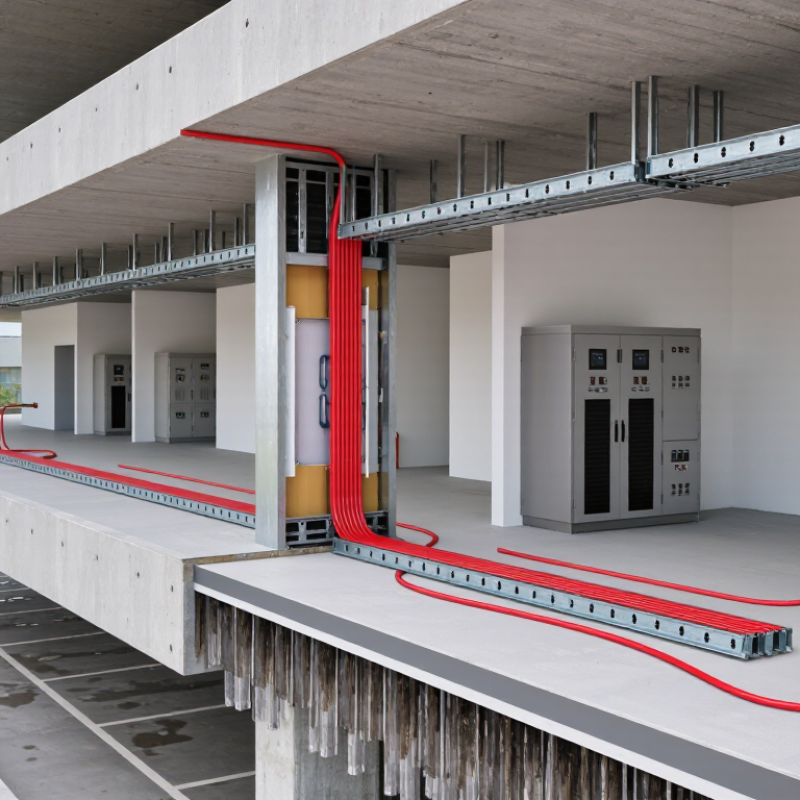
Begin with the building’s fire alarm design, not the product label. Check conductor gauge, insulation type, shielding, voltage drop, temperature rating, and circuit integrity requirements. Consider whether the cable runs through ceilings, risers, plant rooms, outdoor areas, or spaces with electromagnetic interference. A fire alarm cable suitable for a dry office may perform poorly in a humid car park.
Manufacturer documentation matters. Look for clear test results, installation limits, compatibility information, and traceable quality controls. Local authorities and applicable standards should guide the final selection, because requirements differ between regions and building types. A qualified fire alarm designer or installer should confirm the choice before purchase.
No cable fits every project. That matters.
In practice, installers also notice details that catalogues sometimes overlook. Flexible jackets can simplify tight bends, while stronger outer protection may reduce damage during construction. However, easier installation does not automatically mean better long-term performance. We should question assumptions, especially when a cheaper cable appears equivalent. Reviewing the complete cable route, connected devices, support methods, and future maintenance needs creates a more dependable decision. This guide examines those factors and explains how to choose fire alarm cable with greater confidence in 2026.
Choosing fire alarm cable starts with the building environment, not the lowest quotation. FPL cable suits exposed, non-plenum areas when local rules permit it. FPLR cable is designed for vertical runs between floors. FPLP cable serves air-handling spaces where smoke movement is a concern. These labels describe performance, not interchangeable product names. Always verify the cable marking and approval documents.
Installation experience shows that cable placement often decides the correct type. A riser shaft may need FPLR, while a return-air ceiling can require FPLP. Shielded cable helps reduce electrical interference in noisy areas. Unshielded cable may work well in shorter, cleaner pathways. Consider conductor size, loop length, voltage drop, temperature rating, and moisture exposure. Small details matter.
I have seen projects delayed because installers selected cable before reviewing the fire alarm design. That sequence creates avoidable rework. Check the control panel requirements, circuit class, and authority having jurisdiction before ordering. Confirm continuity, insulation condition, and identification during installation. Do not rely on appearance alone. A cable can look excellent and still fail a documentation check. Standards also change, so review the current edition and project specifications. I may miss a site-specific condition; an engineer’s review remains essential.
How to Choose Fire Alarm Cable in 2026?
Choosing fire alarm cable starts with code compliance, not price. Requirements vary by country, building type, and installation area. Check the current fire and electrical codes, then confirm details with the authority having jurisdiction. A cable suitable for a riser may fail in a plenum space. Cable markings must match the required application.
Safety depends on more than a flame-retardant jacket. Review smoke production, flame spread, insulation performance, conductor size, and circuit voltage drop. For longer runs, undersized conductors can weaken notification appliance output. Shielding may help in areas with electrical interference, but it is not always necessary. Use listed cable, compatible fittings, and approved installation methods. Keep fire alarm wiring separated from power circuits where required.
Tips: Create a cable schedule before installation. Record cable type, rating, route, length, and termination points. Check ambient temperature and moisture exposure. Inspect the jacket for cuts or crushing. I have seen neat-looking installations fail because the wrong cable rating was chosen. My checklist is useful, but not perfect; unusual buildings still need engineering review. Test continuity, insulation condition, polarity, and end-to-end operation after installation. Document the results clearly. Small omissions can become serious during an emergency.
Lower conductor resistance helps reduce voltage drop and supports reliable operation of notification appliances and initiating devices. The values below show the maximum DC resistance at 20°C for common copper conductor cross-sections based on IEC 60228 Class 2 conductors.
When selecting fire alarm cable, also verify the applicable edition of NFPA 72 or local code, cable listing and fire rating, circuit class, conductor insulation, installation environment, calculated voltage drop, and the equipment manufacturer’s requirements. IEC 60228 resistance values are conductor data only and do not replace a complete fire alarm system design.
How to Choose Fire Alarm Cable in 2026?
Matching cable specifications to building conditions is more important than selecting a familiar cable type. NFPA reported 1,388,500 U.S. fires in 2023, causing 3,670 civilian deaths and approximately $22.9 billion in property damage. These figures reinforce one point: a fire alarm pathway must remain dependable when conditions become severe.
Start with the installation environment. A cable routed through a damp parking garage needs moisture resistance and suitable temperature performance. A plenum space requires a cable jacket approved for that air-handling environment. In a factory, electromagnetic interference and vibration may demand better shielding and stronger mechanical protection. Keep it practical. A dry office ceiling and a coastal utility room are not the same application.
Fire-resistive circuits require closer examination. NFPA 72 addresses pathway survivability, while IEC 60331 evaluates circuit integrity during fire exposure. Check the required survival time, conductor size, voltage drop, and compatible termination hardware. Do not rely on appearance alone. A smaller cable may install easily but create unacceptable voltage loss across a long corridor. In field reviews, documentation is often the weak point. I have seen correct-looking installations fail because the cable rating did not match the ceiling space or local code edition. That mistake is avoidable, but specifications should be reviewed before purchase.
| Building Condition | Typical Fire Alarm Circuit | Recommended Cable Specification | Applicable Rating or Standard | Conductor and Insulation Guidance | Shielding and Mechanical Protection | Key Installation Considerations |
|---|---|---|---|---|---|---|
| Standard commercial office with concealed, dry indoor spaces | Addressable loop, notification appliance circuit, or supervised power circuit | Low-smoke, flame-retardant cable Plenum or riser rating as required | Use the building code classification required for the air-handling space. In North American projects, common classifications include FPL, FPLR, and FPLP under UL 1424 and the applicable installation code. | Solid or stranded copper conductors; commonly 18–16 AWG for signaling circuits, subject to voltage-drop and manufacturer calculations. Select insulation voltage and temperature ratings listed for the cable. | Shielding is normally not required unless the system designer identifies electromagnetic interference. Use metal conduit or listed cable supports where required by code. | Separate fire alarm wiring from power conductors unless the wiring method and code permit a shared pathway. Maintain polarity and observe the equipment manufacturer’s maximum loop length. |
| Open plenum, return-air ceiling, or raised-floor air-handling space | Circuits installed in environmental air spaces | Plenum-rated fire alarm cable Low smoke and limited flame spread | North American installations commonly require FPLP-listed cable under UL 1424 where the space is classified as a plenum. Confirm the local code definition of the air-handling space. | Use copper conductors sized for circuit current, voltage drop, maximum resistance, and the listed equipment terminals. Low-smoke insulation and jacket materials are preferred for occupied buildings. | Protect against sharp edges, ceiling-grid movement, and unsupported drops. Use listed cable supports; do not rely on suspended ceiling wires unless specifically permitted. | Do not substitute a riser-rated cable for a plenum-rated cable when the space requires plenum performance. Check temperature limits near lighting equipment and HVAC outlets. |
| Vertical shaft, stair enclosure, or multi-floor riser | Vertical backbone, floor-to-floor notification circuit, or addressable loop | Riser-rated cable Low-smoke construction where required | FPLR is commonly used for vertical riser applications in North America under UL 1424, when permitted by the adopted code. A higher classification may still be required for a shaft or plenum. | Choose conductor size from total circuit length, alarm load, allowable voltage drop, and end-of-line supervision requirements. Copper conductors should be compatible with the listed terminals and connectors. | Provide support at the intervals required by the applicable code and cable listing. Use conduit or other protection where the shaft is exposed to impact or unauthorized access. | Account for the full vertical distance and grouping derating. Seal penetrations with listed firestop systems compatible with the cable and wall or floor assembly. |
| Exposed indoor areas such as warehouses, parking garages, and service corridors | Detector circuits, manual call points, sounder circuits, and control interfaces | Flame-retardant cable Enhanced mechanical protection Low-smoke option | Use the cable type required by the local wiring method and environmental classification. Listed fire alarm cable should be used where the fire alarm standard requires it. | Use stranded copper where vibration or repeated termination is expected. Select insulation rated for the expected ambient temperature, especially near heaters, exhaust systems, and industrial equipment. | Install in conduit, metallic raceway, or other approved protection where subject to forklifts, vehicles, abrasion, impact, or rodent damage. Maintain the cable bend radius. | Do not route through areas with standing water unless the cable is specifically listed for wet locations. Protect exposed cable from unauthorized alteration and physical damage. |
| Damp, humid, wash-down, or semi-exterior building areas | Alarm circuits serving loading bays, plant rooms, pump rooms, and utility spaces | Wet-location suitable cable or raceway system Moisture-resistant jacket | Confirm that the complete cable and wiring method are listed or approved for wet or damp locations. A plenum or riser rating alone does not establish wet-location suitability. | Use water-resistant insulation and jacket materials with compatible temperature ratings. Select conductor size using voltage-drop calculations that include the longest circuit path. | Use sealed fittings, appropriate junction boxes, and corrosion-resistant supports. Avoid unsealed cable ends and protect terminations from condensation. | Check chemical exposure, cleaning agents, ultraviolet exposure, and minimum temperature. Keep splices inside listed, accessible enclosures suitable for the environment. |
| Areas requiring continued circuit operation during fire exposure | Emergency voice communication, fire pump signaling, critical control circuits, or designated survivability pathways | Circuit-integrity or fire-resistive cable system Matched cable, supports, and firestop components | Depending on the jurisdiction, designs may reference circuit-integrity tests such as IEC 60331 or EN 50200, or a listed survivability system required by the adopted fire code. The required duration is project-specific. | Use the complete tested or listed assembly, including conductor construction, insulation, joints, terminals, and accessories. Cable alone cannot guarantee circuit survivability. | Use the tested support method, such as approved metallic containment or dedicated fire-resistant supports. Do not mix components from unverified systems. | Confirm the required survival duration, fire exposure, mechanical impact, water exposure, and circuit separation with the authority having jurisdiction. Document the tested installation method. |
| High electromagnetic-noise environment near motors, variable-frequency drives, elevators, or radio equipment | Addressable data loop, detector circuit, or sensitive control and communication circuit | Twisted pair Overall shield where specified Low-capacitance design when required | Use the cable construction specified by the fire alarm equipment manufacturer and the system listing. Shielding is a design choice and is not automatically required for every fire alarm circuit. | Match conductor impedance, resistance, capacitance, and polarity requirements to the control panel and field devices. Verify maximum capacitance and total resistance for the circuit. | Ground the shield only as directed by the system design or equipment instructions; incorrect grounding can create noise or ground faults. Maintain separation from high-voltage and VFD cabling. | Use dedicated pathways where practical. Avoid unnecessary parallel runs with power cables and cross power cables at approximately right angles when pathways intersect. |
| Outdoor, rooftop, or exposed facade installation | External detectors, remote annunciators, gate interfaces, and building-to-building connections | Outdoor or wet-location rated cable system UV-resistant jacket Surge protection as required | Verify wet-location, sunlight-resistance, temperature, and direct-burial or conduit suitability from the cable listing. Use surge protection and grounding arrangements required by the project design. | Choose insulation for the expected minimum and maximum temperatures. Consider conductor size increases for long outdoor runs and voltage drop at the farthest device. | Use UV-resistant cable, weatherproof enclosures, sealed entries, corrosion-resistant hardware, and physical protection against wind, ice, animals, and maintenance activity. | Provide drainage and drip loops where appropriate. Coordinate lightning protection, bonding, and transient protection with the electrical and fire alarm designers. |
| High-occupancy, healthcare, education, or residential building | Notification appliances, voice evacuation, smoke control interfaces, and floor-by-floor alarm circuits | Low-smoke, low-toxicity materials where specified Appropriate plenum or riser rating | Follow the adopted fire, building, and electrical codes. Some projects may require additional smoke, flame, circuit-survivability, or pathway-separation performance. | Calculate voltage drop for simultaneous notification loads and verify audibility or intelligibility system requirements. Use listed cable sizes and conductor types compatible with the equipment. | Use protected and clearly identified pathways. Provide firestopping at penetrations and maintain required separation from other systems. | Prioritize low smoke generation, reliable supervision, accessibility for testing, and clear circuit identification. Confirm requirements with the authority having jurisdiction before procurement. |
| Hazardous or classified location | Alarm devices and circuits installed where flammable gases, vapors, dust, or fibers may be present | System specifically approved for the classified area Appropriate barrier, conduit, or intrinsically safe method | Use the hazardous-location classification, equipment certification, and wiring method required by the jurisdiction. Ordinary FPL, FPLR, or FPLP cable is not automatically suitable for classified areas. | Confirm compatibility with intrinsic-safety barriers, energy limitations, cable capacitance, inductance, and equipment approvals where applicable. | Use approved glands, seals, conduit systems, enclosures, and bonding. Maintain the required separation between intrinsically safe and non-intrinsically safe circuits. | Obtain a classified-area design review before installation. Cable selection must be coordinated with the detector, barrier, panel, enclosure, and complete installation method. |

How to Choose Fire Alarm Cable in 2026?
Choosing fire alarm cable starts with the installation method, not the cable label. Surface-mounted pathways, enclosed conduits, ceiling spaces, and underground routes create different heat, moisture, and mechanical risks. A cable suitable for open installation may not perform properly inside a crowded conduit. Check conductor size, insulation temperature, fire-resistance rating, shielding, and permitted bend radius. Voltage drop also matters, especially on long notification appliance circuits. Small details can create large troubleshooting problems.
Tips: Match the cable to the system manual and local installation requirements. Confirm whether the circuit is conventional, addressable, voice evacuation, or emergency communication. Separate power and signal conductors when required. Mark every cable clearly before pulling it. A simple label can save hours later.
System compatibility deserves equal attention. Confirm terminal design, polarity requirements, resistance limits, and communication protocols before purchasing. Some systems tolerate shielded cable, while others require specific grounding practices. Avoid assuming that a larger conductor always improves performance. It may complicate termination and increase installation time. In field inspections, poor routing is often more troublesome than cable quality. I have also seen accurate cable selections fail because installers ignored support spacing or crushed insulation during pulling. That is an uncomfortable reminder: selection is only one part of reliability. Verify the complete pathway, test continuity, insulation condition, and end-of-line devices before commissioning.
Comparing Quality, Testing, and Lifecycle Costs
Fire alarm cable should be selected by performance, not only by price. Check conductor size, insulation type, temperature rating, and installation conditions. A cable routed above a hot ceiling faces different stress than one inside a cool wall. Verify the required listing and local code references, such as NFPA 70 and NFPA 72. The paperwork should identify test methods, production lots, and traceable results. Missing records create uncertainty during inspection.
Testing deserves close attention. Look for continuity checks, insulation resistance measurements, flame-spread performance, and smoke characteristics where applicable. For fire-resistive systems, review evidence from the correct endurance test. Test the details. A neat certificate is not enough if it covers another cable construction. Inspectors and installers should also confirm bend radius, pulling tension, and terminal compatibility. Small installation damage may remain invisible until commissioning.
Lifecycle cost changes the buying decision. A cheaper cable can increase labor, retesting, replacement, and access costs. Imagine reopening finished ceilings because a cable failed continuity testing. That gap matters. Consider storage conditions, expected service temperature, maintenance access, and future system expansion. In field reviews, documentation is often treated as secondary, yet it can save more time than a small material discount. Still, no checklist catches every mistake. A cautious team should sample incoming reels and record installation findings instead of trusting assumptions.