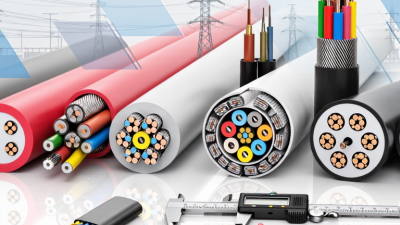
Choosing a reliable wire cable supplier can shape project safety, delivery performance, and long-term operating costs. Global buyers often compare suppliers across several practical details, not only quoted prices. These details include conductor materials, insulation quality, voltage ratings, temperature resistance, packaging, and test documentation. A dependable supplier should explain whether its products use copper, aluminum, galvanized steel, or specialized alloys. It should also provide clear specifications for construction, flexibility, tensile strength, and intended applications.
This guide reviews ten wire cable suppliers serving international customers and different industry needs. The selection considers manufacturing experience, product range, quality controls, export capability, and customer support. Factory certifications matter, but they do not tell the whole story. A supplier may hold recognized certifications yet struggle with communication, delivery consistency, or customized orders. That risk deserves attention. Real purchasing decisions often depend on small details, such as a properly labeled coil, moisture-resistant packaging, or a prompt answer about minimum order quantities. Some suppliers appear strong on paper but require closer verification. Buyers should request samples, inspect technical datasheets, and confirm testing procedures before placing large orders. It is not a perfect process. Market conditions, raw material prices, and regional standards can change quickly. Even experienced buyers can overlook an important specification. This overview aims to provide a practical, balanced starting point for evaluating wire cable suppliers with greater confidence and fewer costly surprises.
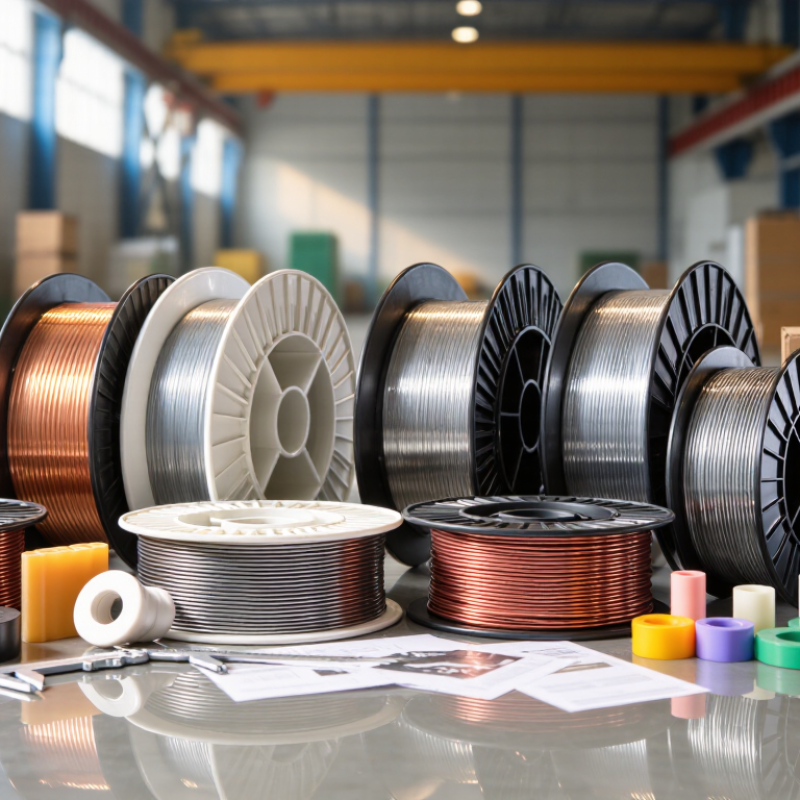
What Defines a Reliable Wire Cable Supplier for Global Buyers
A reliable wire cable supplier proves quality before discussing price. In my purchasing experience, clear product data prevents expensive mistakes. Buyers should request conductor material, diameter tolerance, insulation type, temperature rating, and working voltage. A serious supplier provides recent test reports, not vague promises.
Factory traceability matters. Each production lot should connect to raw material records, inspection results, and packing details. Ask how the supplier checks resistance, tensile strength, insulation thickness, and surface defects. Independent laboratory testing can add confidence. Relevant ISO, IEC, ASTM, or national requirements should match the cable’s intended market. Compliance documents must be current.
Communication also reveals capability. Reliable teams answer technical questions directly and explain limitations. They confirm drawings, sample approvals, lead times, and shipping terms in writing. Strong packaging protects coils from moisture, crushing, and tangled ends during ocean transport. Small details matter. I once saw a shipment delayed because labels lacked meter length and lot information. The cable was acceptable, but receiving became slow and uncertain.
No supplier is flawless. Buyers should examine corrective-action records and return procedures. A supplier willing to discuss a failed sample may be more trustworthy than one claiming perfect performance. Factory audits, video inspections, and pre-shipment checks reduce risk, though they cannot replace careful engineering review. Price still matters, but unstable quality creates the larger cost.
| Evaluation Dimension | What a Reliable Supplier Demonstrates | Evidence Global Buyers Can Request | Why It Matters |
|---|---|---|---|
| 1. Product and Standards Fit | Offers cable constructions suited to the intended voltage, installation environment, and destination-market requirements. | Product datasheets identifying conductor material, insulation, rated voltage, applicable standards, and intended use. | Standards and product requirements vary by cable type and market. For example, IEC 60228 covers conductor classes, while IEC 60502-1 addresses certain power cables with extruded insulation for rated voltages from 1 kV to 3 kV. |
| 2. Verifiable Quality System | Uses documented quality controls for incoming materials, production, inspection, and corrective actions. | A current quality-management certificate, its scope and validity, plus an explanation of production inspection procedures. | A certificate such as ISO 9001 can indicate that a quality-management system is in place; it does not by itself certify every cable product. |
| 3. Traceability | Can link finished cable batches to production records and relevant material or test records. | Sample batch labels, certificates of conformity, inspection records, and a description of the lot-identification process. | Traceability helps buyers investigate quality issues and identify affected batches. |
| 4. Testing and Inspection | Defines the tests performed for each product and distinguishes routine, sample, and type tests where applicable. | Test plans and sample reports showing the cable specification, test method, results, date, and issuing laboratory or facility. | Clear test documentation makes it easier to compare products against the purchase specification and applicable standards. |
| 5. Material and Construction Transparency | Clearly states conductor material and construction, insulation and sheath compounds, and key dimensional tolerances. | Technical drawings, construction schedules, material specifications, and written confirmation of any approved substitutions. | Small differences in construction or materials can affect installation, performance, and compliance. |
| 6. Production Capacity and Lead-Time Planning | Provides an order-specific production schedule and communicates capacity constraints or changes promptly. | A written lead-time estimate, production milestones, available capacity information, and agreed procedures for schedule updates. | Lead times depend on product design, order quantity, materials, and production loading; they should be confirmed for each order. |
| 7. Export Packaging and Logistics | Plans packaging, drum or coil dimensions, marking, and shipment documentation for the agreed transport route. | Packing specifications, shipping marks, package dimensions and weights, and a document checklist for export shipments. | Suitable packaging and accurate shipment information can reduce handling damage and avoid preventable logistics delays. |
| 8. Regulatory and Market Documentation | Identifies which approvals or declarations apply to the product and the buyer’s destination market, without making unsupported claims. | Relevant certificates, declarations, test reports, and confirmation that the product model and factory are within the document scope. | Requirements differ by jurisdiction and product category; buyers should verify applicability with the relevant authority or project specification. |
| 9. Technical Communication and Support | Responds clearly to technical questions and provides consistent drawings, specifications, and revision control. | Named technical contacts, response process, document revision history, and examples of installation or product guidance. | Accurate communication helps resolve specification questions before production and supports smoother project coordination. |
| 10. Commercial Clarity and After-Sales Process | Sets out quotation assumptions, payment terms, warranty conditions, claims handling, and responsibilities in writing. | A detailed quotation, purchase terms, warranty document, and written process for reporting and reviewing product issues. | Clear terms help buyers compare offers fairly and understand how disagreements or quality claims will be handled. |