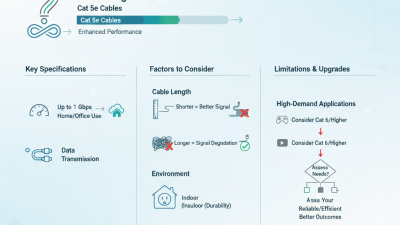
Best Tips for Choosing Cat 6 Cables for Your Network Needs?
When setting up a robust network, choosing the right cabling is essential. Cat 6 cables have gained popularity for their high-speed performance. According to a market report by ResearchAndMarkets, the demand for Cat 6 cables is expected to grow significantly in the coming years. This rise is due to the increasing need for faster data transmission in homes and businesses.
The right Cat 6 cables can dramatically enhance your network's speed and reliability. These cables support data rates of up to 10 Gbps over short distances. However, selecting cables blindly can lead to issues like signal loss and interference. Industry experts recommend ensuring proper shielding and installation techniques.
It's vital to understand specific needs before making a purchase. Not all Cat 6 cables are created equal. Some may not meet required standards, despite being labeled as Cat 6. Thus, researching brands and reading reviews is crucial in this process. As networks evolve, making informed choices about cabling will only grow in importance.
Understanding Cat 6 Cables: What Makes Them Suitable for Networking
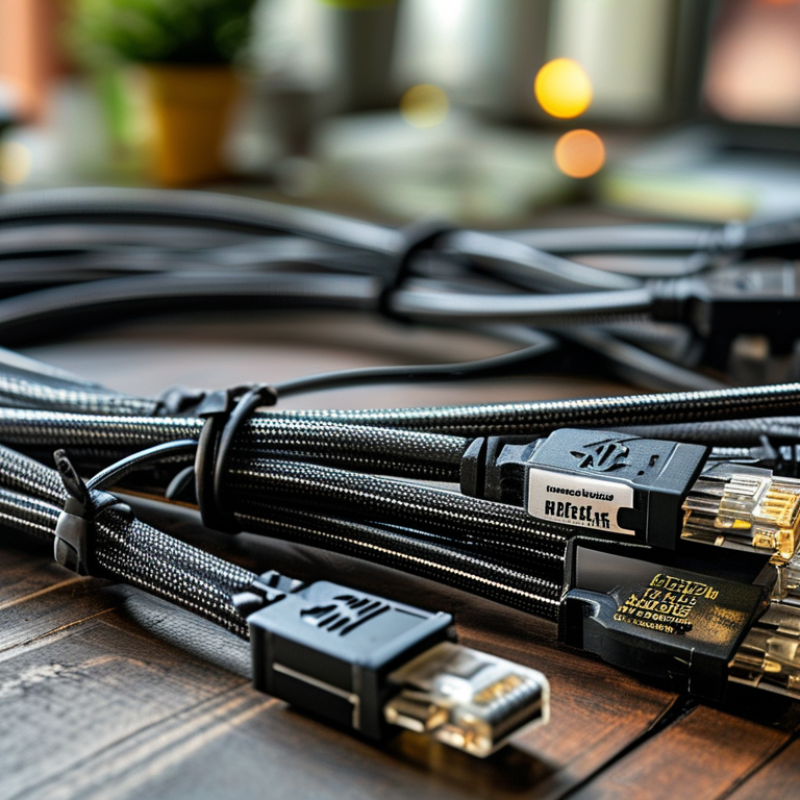
Understanding Cat 6 cables is essential for anyone looking to optimize their home or office network. These cables have a bandwidth of up to 250 MHz, supporting speeds of 1 Gbps over longer distances. This capacity makes them suitable for tasks requiring high-speed data transfer, such as video streaming and online gaming. Their construction features twisted pairs of wires, which reduce interference, ensuring a stable connection.
When selecting Cat 6 cables, consider the length and the environment in which they will be used. Longer cables can experience signal degradation. Look for cables with sturdy shielding for outdoor use. However, some individuals might overlook these aspects, which could lead to network issues. Additionally, ensure that the connectors are of high quality. Poor connectors can result in a slow or disrupted connection.
Choosing the right cables is a nuanced task. Some users may hesitate when faced with the technical specifications. It’s important to take the time to research options. Understand the specific requirements of your devices to ensure compatibility. Investing in proper cables can significantly enhance your networking experience.
Key Features to Consider When Choosing Cat 6 Cables
When selecting Cat 6 cables, understanding key features is crucial. These cables support data rates up to 10 Gbps over distances up to 55 meters. They provide improved performance compared to older standards, which is vital for modern networking needs. A 2019 industry report highlighted that proper cabling can reduce network bottlenecks by nearly 40%, enabling smoother operation for businesses relying on efficient data transfer.
Consider the cable's construction. Cat 6 cables should have solid copper conductors for better performance. Additionally, look for cables with a higher bandwidth capacity, ideally up to 250 MHz. This ensures the cable can handle high-speed data without interference. Industry experts also emphasize checking for quality shielding. Shielded cables can minimize external interference, which is essential in densely populated areas.
Length is another factor to weigh. While longer cables can be convenient, any length exceeding 100 meters can dramatically affect performance. A cable that fails to meet specifications impacts overall efficiency. Moreover, paying attention to the cable's flexibility can ease installation in tight spaces, yet some users overlook this aspect. Finding the perfect balance between flexibility and durability can be challenging but essential.
Cable Length and Its Impact on Network Performance
When selecting Cat 6 cables, cable length is a crucial factor. The length directly impacts network performance. Shorter cables often provide better signal quality and faster speeds. Too long cables can introduce latency and weaken signals. Generally, staying below 100 meters is essential for optimal performance.
Consider your layout. Measure distances carefully. A 25-meter cable might be suitable for a small office. Longer distances may require additional switches or routers to maintain speed. Data loss can occur with inadequate lengths. Be cautious with excessive lengths.
Installation can also pose challenges. Cables may become tangled or kinked, which affects performance. Ensuring proper routing can help maintain signal integrity. Think about future needs, too. You may need additional length if your setup expands. Frequent re-evaluation of your cabling setup is important for maintaining reliability.
Different Types of Cat 6 Cables: U/FTP vs. S/FTP vs. U/UTP
When selecting Cat 6 cables, understanding the different types is crucial. The primary variations include U/FTP, S/FTP, and U/UTP. Each type offers unique features impacting performance and shielding.
U/FTP cables have an overall foil shield. This design helps reduce crosstalk. They are a good choice for environments with moderate interference. On the other hand, S/FTP provides individual shielding for each pair. This enhances protection against external noise. It is ideal for high-interference settings. U/UTP, lacking any shielding, is often more affordable. However, it might struggle in noisy environments.
Consider your specific network setup when choosing. Do you need enhanced shielding, or is budget a priority? Recognizing your environment can help make the best decision. Test results vary, so it’s wise to look for reliable performance metrics. The right choice can greatly enhance your network efficiency.
Common Mistakes to Avoid When Selecting Cat 6 Cables
When selecting Cat 6 cables, many people make common mistakes that can lead to poor performance. One major issue is overlooking the cable specifications. Not all Cat 6 cables are created equal. Some might support lower frequencies or data rates than advertised. It’s important to check the specifications thoroughly before making a purchase. Look for cables that meet or exceed the TIA/EIA-568 standards.
Another mistake is not considering the installation environment. Cables exposed to external factors like moisture or extreme temperatures need specific types of insulation. Failing to choose the right jacket material can lead to signal degradation. Additionally, pay attention to the length of the cable. Longer runs can result in signal loss, so it’s wise to measure the necessary distance before buying.
Also, avoid assuming all connectors are the same. The RJ45 connectors can vary in quality. Unreliable connectors can affect the overall network performance, leading to frustrating experiences. Reflect on your choices and be diligent in your selection process. Investing time in research is crucial for achieving a reliable network.