Why Wire Cable is Essential for Modern Technology?
In today’s rapidly advancing technological landscape, wire cable is an indispensable element. Renowned expert in electrical engineering, Dr. Emily Chen, emphasizes, “Wire cables are the backbone of our digital infrastructure.” This quote reflects the essential role wire cables play in connecting devices and ensuring seamless communication.
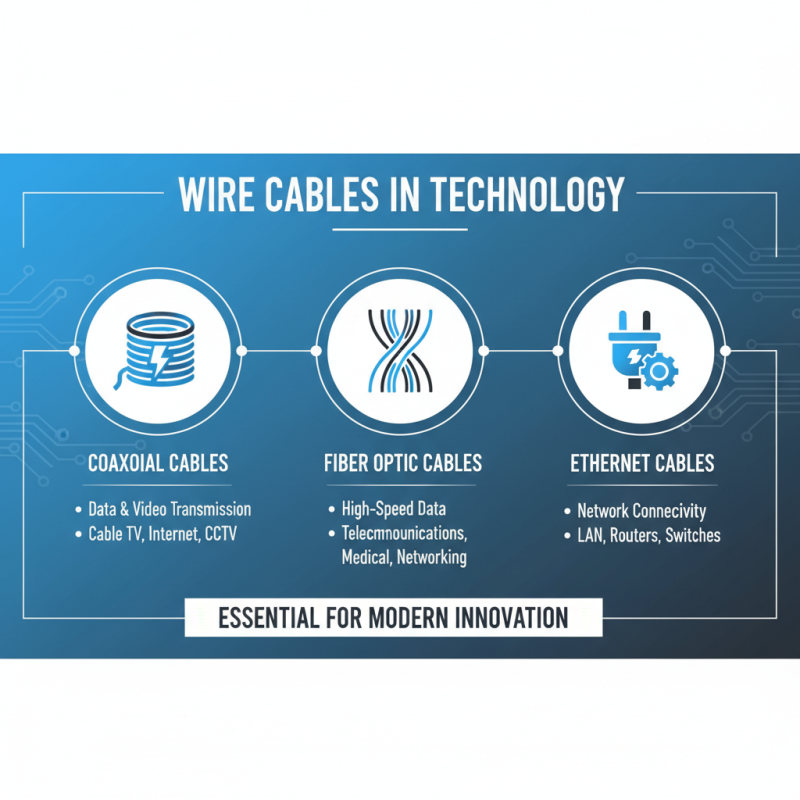
Modern technology relies heavily on wire cable for effective performance. From powering sophisticated electronics to enabling high-speed data transfer, wire cables are everywhere. Their variety, including coaxial, fiber optic, and power cables, serves diverse industries. Unfortunately, many overlook their significance until issues arise. Connectivity problems often stem from inadequate wire cable selection.
However, the industry faces challenges. As technology evolves, so does the demand for better and more efficient wire cable. There is a pressing need for innovation. The quest for sustainable materials and improved conductivity continues to grow. Addressing these issues is critical for future advancements. The world must recognize that wire cables are vital, not just components but enablers of progress.

The Role of Wire Cable in Electrical and Data Transmission
In today's fast-paced world, wire cables play a crucial role in electrical and data transmission. They connect various devices, enabling the flow of electricity and information. Every gadget we use relies on these cables to function properly. Consider your smartphone; it requires wire cables to charge and to communicate with other devices. Without this essential technology, our daily activities would be severely disrupted.
The types of wire cables vary widely. Some cables are designed for high-speed data transfer, while others are more suited for electrical supply. Copper and fiber optic cables are among the most common types used today. Copper cables are often used for short distances, providing reliable power transmission. In contrast, fiber optic cables excel in long-distance communication, making them vital for internet connectivity. However, challenges remain. Some cables can be prone to interference, affecting data quality.
As technology advances, the demand for efficient wire cables grows. New materials and designs are being explored to enhance performance. Yet, manufacturers face hurdles in balancing cost and efficiency. It's an ongoing journey, reflecting the need for innovation. The complexity of wire cable technology demands attention. Ongoing research and development are necessary to overcome existing limitations and meet future needs.
Types of Wire Cables and Their Applications in Technology
Wire cables are fundamental to modern technology. They play a significant role in various applications. Understanding the types helps us grasp their importance. There are several categories of wire cables, each serving a unique purpose.
Power cables are crucial in energy distribution. According to a report by the International Energy Agency, the global demand for electricity is projected to grow by 60% by 2040. This demand drives the need for robust power transmission solutions. Communication cables, such as coaxial and fiber optic cables, are essential for high-speed internet. Fiber optics can transmit data over vast distances at nearly the speed of light, enabling seamless connectivity.
Moreover, electronic equipment relies heavily on data cables like USB and HDMI. They ensure devices communicate efficiently. The versatility of wire cables is evident in industries from telecommunications to automotive. However, the rapid evolution of technology poses challenges. For instance, older cable types can become obsolete quickly. Continuous innovation is crucial to keep up with the growing needs of technology.
Advantages of Using Wire Cables in Modern Devices
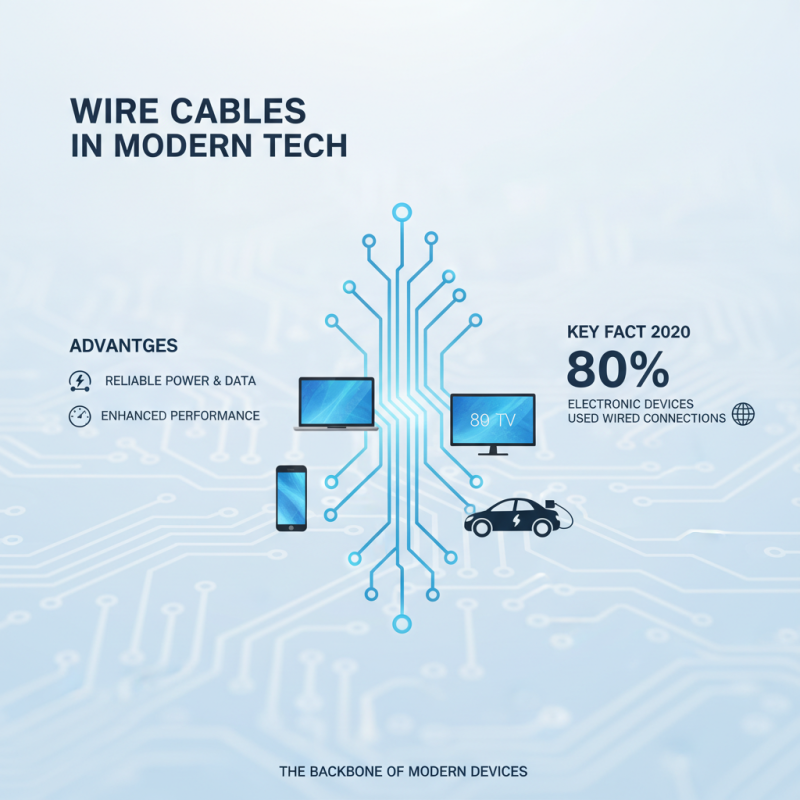
Wire cables are the backbone of modern technology. Their advantages are numerous and essential for devices we use daily. These cables are reliable for transmitting power and data. In 2020, over 80% of electronic devices utilized some form of wired connection. This highlights their critical role in ensuring enhanced performance.
One major advantage is their durability. Wire cables are designed to withstand wear and tear. For example, data from the International Electrotechnical Commission shows that quality wire cables can last for more than 20 years in various environments. This longevity reduces replacement costs and environmental waste.
Tips: Always choose high-quality materials. Corrosion-resistant options can provide better longevity. A well-maintained wire cable system can lead to fewer malfunctions. However, sometimes, broader innovations in wireless technology raise questions about the future of wire cables. Balancing the choice between wired and wireless should consider the specific application needs.
Another area to reflect on is flexibility. Wire cables can limit the design of modern devices compared to wireless solutions. Some manufacturers are exploring hybrid approaches, combining both wired and wireless systems. This exploration aims to maximize efficiency while maintaining robustness. As technology evolves, ongoing assessment of wire cables' roles will be crucial.
Challenges and Innovations in Wire Cable Technology
Wire cable technology faces several challenges and innovations in the modern landscape. According to a recent industry report, the global wire and cable market is expected to reach $250 billion by 2026. However, manufacturers are constantly pressured to improve efficiency and reduce costs. This often leads to compromises in quality.
One significant challenge is maintaining cable performance in extreme conditions. These cables must withstand harsh environments, yet many fail to meet required standards. For instance, aging infrastructure often leads to disruptions. Innovations like smart cables are emerging, offering real-time monitoring to enhance dependability. Data shows that using advanced materials can reduce failure rates by up to 30%.
Additionally, the demand for connectivity drives the need for faster data transmission rates. Copper cables are increasingly replaced by fiber optics in many applications. Yet, the transition isn't seamless. Manufacturers need to invest in research to refine production techniques. This can lead to higher costs, impacting end-users. Balancing innovation with affordability remains a tightrope walk for the industry.
Wire Cable Technology: Innovations and Challenges
Future Trends in Wire Cable Design and Usage
The design of wire cables is evolving rapidly. As technology advances, cables must adapt to meet new requirements. Innovations in materials are crucial. Lightweight, flexible options are becoming popular. They help reduce the overall weight of devices while maintaining reliability.
Smart wire cables are also on the horizon. These cables could incorporate sensors to monitor performance. They might provide real-time feedback on their condition. This could enhance safety and efficiency. However, challenges remain. Integrating these technologies can increase costs. There will be a need for further research and standardization.
Sustainability is another key trend. More companies are exploring eco-friendly materials. Wire cables should not only function well but also be kind to the environment. Lifecycle assessments can guide manufacturers in making better choices. Despite progress, the industry still faces hurdles in widespread adoption. There are questions about the durability and performance of alternative materials. Crafting a balance between innovation and practicality is essential.