Why Is a Water Meter Important?
A Water Meter makes water use visible. It records the volume flowing into a home, building, or utility network, turning an invisible resource into measurable data. That matters when a bill seems unexpectedly high or a tap keeps dripping overnight. The U.S. Geological Survey’s 2015 water-use report estimated that public water supplies delivered about 39 billion gallons daily across the country. The figure shows the scale of managed water use, though it does not predict what any one household should consume.
Meters can also help customers and water providers spot unusual patterns. The U.S. Environmental Protection Agency’s household leak guidance says that 10 percent of homes may have leaks wasting 90 gallons or more each day. A meter reading that keeps moving when fixtures are off can prompt a closer inspection. Small differences matter. Over time, regular readings can support clearer billing, leak checks, and more informed conservation decisions.
A meter is useful, but it is not a complete diagnosis. Irrigation schedules, seasonal changes, plumbing faults, and inaccurate readings can all affect consumption. The American Water Works Association’s M6 manual addresses meter selection, installation, testing, and maintenance—practical factors that influence dependable measurement. Meters are not magic. Their value depends on sound equipment, careful reading, and follow-up when numbers look unusual. Used thoughtfully, a Water Meter helps people understand where water goes and when further investigation may be needed.
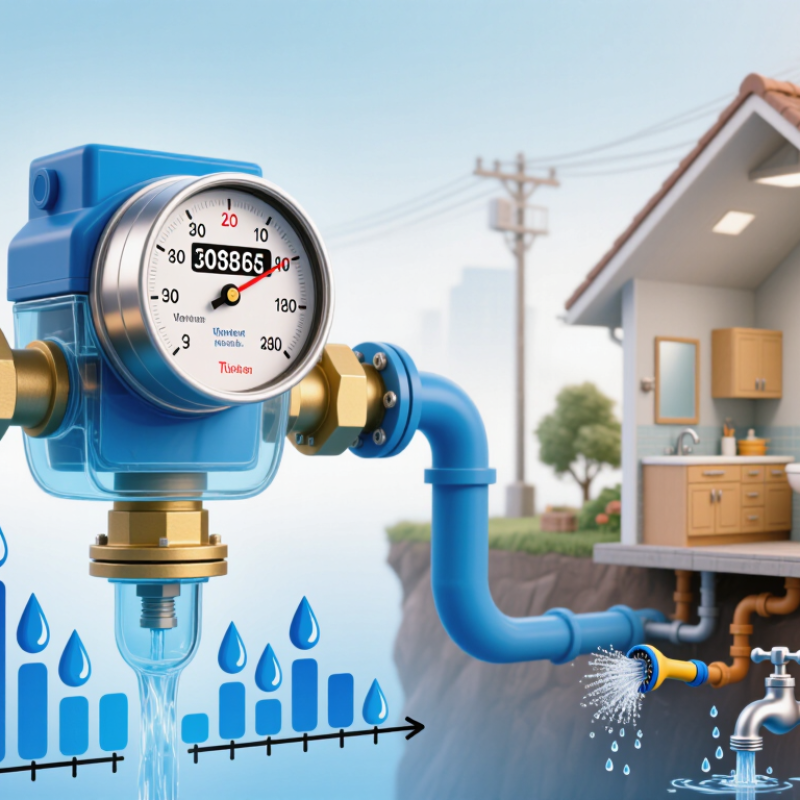
How Water Meters Measure Flow from a Property’s Service Line
A water meter is usually installed where the service line enters a property, before water branches toward sinks, toilets, and appliances. As water passes through, the meter records the volume delivered. Many mechanical models use a small turbine or measuring chamber that moves with the flow; electronic models may use sound waves or sensors instead. The display commonly shows volume in cubic feet or gallons, depending on the local system. Small details matter. A meter measures water use over time, not household pressure, and its exact design varies.
This record helps explain a bill and can reveal unusual use. For example, note the reading, avoid using water for a while, then check again. If the number changes, water may be moving somewhere on the property. A running toilet can waste water quietly. So can a slow leak under a sink. But a changing reading does not identify the cause, and some meters register tiny amounts differently. Installation, wear, and meter size can also affect performance. It is tempting to treat one reading as proof, but it is only a clue; a plumber or utility may need to investigate. Even clear numbers have limits.
Why Is a Water Meter Important? - How Water Meters Measure Flow from a Property’s Service Line
| Example Period | Start Meter Reading (gal) | End Meter Reading (gal) | Water Used (gal) | Average Flow (gal/min) | What the Reading Can Show |
| 12:00 a.m.–6:00 a.m. | 125,430 | 125,492 | 62 | 0.17 | Low overnight use; continuous movement may warrant a leak check. |
| 6:00 a.m.–9:00 a.m. | 125,492 | 125,610 | 118 | 0.66 | Higher use may correspond with showers, toilets, and other morning activities. |
| 9:00 a.m.–5:00 p.m. | 125,610 | 125,690 | 80 | 0.17 | The cumulative reading records water passing through the service line during the day. |
| 5:00 p.m.–10:00 p.m. | 125,690 | 125,900 | 210 | 0.70 | An evening increase can reflect cooking, laundry, bathing, or outdoor use. |
| 10:00 p.m.–12:00 a.m. | 125,900 | 125,930 | 30 | 0.25 | A later reading can be compared with the next day to spot unusual ongoing use. |
| Example Daily Total | 125,430 | 125,930 | 500 | — | Usage equals the ending register reading minus the starting register reading. |
Illustrative example only. Actual readings and flow rates vary by property. A water meter measures the cumulative volume passing through the service line; comparing readings over a known time interval can show water use and help identify unusual flow.
How Meter Readings Support Accurate Billing and Fair Customer Charges
A water meter records how much water passes into a property over time. The reading gives a measurable basis for a bill, rather than relying only on household size or an average. That matters. A quiet household and a busy one may use very different amounts, even in similar homes.
Billing usually compares readings from two dates. The difference represents water recorded during that period, subject to the utility’s billing rules and units. For example, a customer can note the meter digits on the first day of the month, then compare them with the next reading. A clear photo can help resolve a disputed digit. If a reading is missed, a bill may use an estimate, so customers should check whether the bill says “actual” or “estimated.” Small differences add up.
Meters support fairness, but they are not a perfect story of water use. A running toilet, a dripping tap, or a hidden leak can raise a reading without anyone noticing. Reading dates can also be confusing when they shift between billing cycles. Customers can compare successive bills, check the meter when water is off, and contact the utility if usage changes sharply. One reading alone may not explain why use changed, and that deserves a closer look.
Why Is a Water Meter Important?
How meter readings support accurate billing and fair customer charges
A meter records water passing through a property. Comparing readings over a billing period shows how much water was used, helping charges reflect measured consumption. Example charges use an assumed rate of $1.50 per cubic meter and exclude fixed fees and taxes; actual rates vary by location.
How Meter Data Can Help Address the EPA’s Nearly 1 Trillion Gallons of Annual Household Leak Waste
Why Is a Water Meter Important?
The EPA estimates that household leaks waste nearly 1 trillion gallons of water each year in the United States. That is water slipping away through dripping faucets, running toilets, and hidden pipe leaks. A water meter turns that invisible loss into something people can check. If every tap and water-using appliance is off, note the meter reading and check it again later. A change may signal water is still flowing. Small clues matter.
A toilet that quietly refills can waste water day and night. So can a damp patch near a pipe, even when no puddle appears. Meter data can help households spot unusual use, compare daily or monthly patterns, and investigate before a minor leak becomes costly damage. Some meters show readings only after a delay, and normal appliance cycles can complicate the picture. The numbers are useful, but they are not a diagnosis. Check fixtures, repeat the reading, and contact a qualified plumbing professional when the cause is unclear. It is easy to assume a high bill means a leak; sometimes habits or seasonal watering explain part of it. A meter gives you a reason to look closer.
How Metering Helps Track U.S. Water Use of 322 Billion Gallons per Day
A water meter records how much water moves through a home, building, or utility system. One widely cited USGS assessment estimated U.S. water withdrawals at about 322 billion gallons per day in 2015. That figure covers many uses, including irrigation, power generation, industry, and homes. It describes water taken from sources, not water consumed entirely. Some water returns to rivers or aquifers after use.
Meters make a vast number easier to track. At home, a reading can show whether daily use rises after filling a pool or watering a dry lawn. A sudden increase overnight may point to a running toilet or hidden leak. It adds up. Across a service area, meter readings help utilities compare supplied water with billed use and investigate unexplained losses. They also give planners better information when setting repair priorities or preparing for dry seasons.
A meter is useful, but it does not explain every change by itself. A reading may reflect weather, household size, or equipment—not waste alone. Older meters can also become less accurate, and estimates vary by reporting year and measurement method. The national figure is striking, yet local readings show where water actually moves. There is room to improve how those records are interpreted.
How Utilities Use Meter Data to Guide Conservation and Infrastructure Planning
Why Is a Water Meter Important?
How Utilities Use Meter Data to Guide Conservation and Infrastructure Planning
A water meter records how much water moves through a property over time. Utilities can use these readings to spot patterns that a monthly total might hide. A steady increase during quiet nighttime hours may suggest a leak, though it does not prove one. A running toilet or outdoor tap can create the same signal.
Across a service area, meter data helps utilities understand when and where demand rises. Hot afternoons may bring heavier lawn watering, while cold snaps can shift household use. These patterns help teams plan supply, schedule maintenance, and identify areas where conservation guidance could be useful. Small changes matter. A neighborhood that reduces peak demand may ease pressure on treatment and delivery systems.
Meter readings can also inform infrastructure planning, but they are only one piece of evidence. Utilities may compare them with pipe age, break records, pressure readings, and customer reports before prioritizing repairs. Data can be incomplete or delayed, and unusual use may reflect a growing household rather than waste. That part is easy to misread. Clear explanations and careful checks help utilities act on trends without treating every spike as a problem.