
Toll Free: 866.905.6744 | Local: 845.652.5250
A Dashboard Instrument is more than a display behind the steering wheel. It gives drivers a quick view of information that can affect comfort, vehicle condition, and safe operation. A speedometer shows how fast the vehicle is moving, while fuel and temperature gauges help drivers notice changing conditions. Warning lights can signal that a system needs attention. Small details matter. A red symbol, an unfamiliar chime, or a rising temperature reading may deserve a pause and a closer look.
Clear instruments help drivers make decisions without searching through screens or guessing what the vehicle is doing. For example, a low-fuel warning can prompt a driver to plan a stop, while a tire-pressure alert may call for checking the tires when it is safe. Not every symbol means the same thing across vehicles, so the owner’s manual is an important reference. It explains what a particular indicator means and what action the manufacturer recommends. Still, a dashboard can be confusing, especially when several alerts appear at once. It is tempting to ignore a light that disappears, but that may not explain why it appeared. Understanding the instrument panel helps drivers recognize useful information, respond calmly, and describe concerns more clearly during service. The display does not replace careful driving or professional inspection. It is a practical guide—one worth learning before a warning appears.
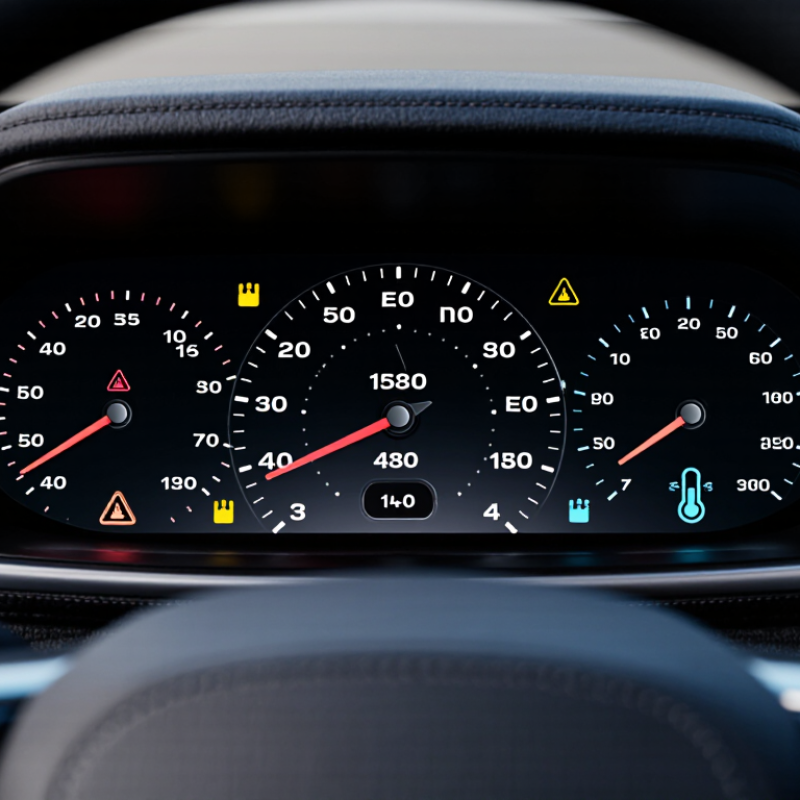
A dashboard instrument is a driver-facing display that presents key information about a vehicle. It may include a speedometer, fuel or battery gauge, temperature reading, and warning lights. Some modern displays combine these into one screen. The goal is simple: show essential details where drivers can check them quickly. A red oil-pressure symbol, for example, can signal a problem before a driver notices unusual engine sounds. Not every display is equally clear, though; small icons and crowded layouts can be easy to misread.
Dashboard instruments are different from infotainment screens, which commonly handle navigation and media. That distinction matters. The AAA Foundation for Traffic Safety reported in 2017 that programming navigation in tested vehicles could require an average of 40 seconds of visual attention away from the road. The study examined infotainment tasks, not instrument clusters, but it illustrates why essential driving information should be quick to read.
NHTSA reported 3,308 deaths in distraction-affected crashes in 2022; that figure covers many forms of distraction and does not isolate dashboard design.
A useful instrument panel keeps speed and urgent warnings prominent, uses readable symbols, and avoids unnecessary visual clutter. Even then, drivers can overlook a warning. Displays help, but they do not replace attention.
A dashboard instrument panel translates vehicle activity into information a driver can read at a glance. The speedometer shows road speed, while the tachometer tracks engine speed. Fuel and temperature gauges offer clues about remaining fuel and engine heat. Small signals matter.
Warning lights add another layer. A red oil-pressure symbol, for example, can indicate a problem that needs prompt attention. Other lights may signal a seat belt reminder, low tire pressure, or an active safety system. Their meaning can vary by vehicle, so the owner’s manual is a useful reference.
Good instrument design makes important details easy to notice without pulling attention from the road for long. Still, a quick glance is not infallible. Sun glare, stress, or a warning hidden among other lights can affect what a driver sees. A gauge also gives an indication, not a full diagnosis. If a reading looks unusual or a warning stays on, it is sensible to stop somewhere safe and check the manual or seek qualified help. A dashboard can communicate clearly, but drivers still need to interpret its messages with care.
Dashboard instruments give drivers a quick view of the vehicle’s condition while they travel. The speedometer helps maintain a steady pace, while the fuel gauge can prevent an unexpected stop. Temperature and oil-pressure warnings may signal a problem that needs attention. These displays do not explain every fault, but they can offer an early clue. A small warning light is easy to dismiss when traffic feels demanding. It shouldn’t be. Checking the dashboard briefly helps drivers notice changes without taking their attention from the road for long.
Tips: Learn what your vehicle’s warning lights mean by checking its owner’s manual before a trip. If a warning appears, avoid trying to diagnose it while driving. Find a safe place to stop when conditions allow, then follow the manual’s guidance or seek qualified assistance. Never stare at a display while moving.
Dashboard instruments support safer decisions, not perfect ones. A gauge can be inaccurate, and a warning light may need professional inspection to identify its cause. Pay attention to unusual smells, sounds, or changes in handling, too. If the dashboard suddenly looks different, take a breath and respond calmly. It is better to pause safely than to guess at a problem in traffic.
A dashboard instrument matters because it gives drivers an early clue when a vehicle’s condition changes. A red oil-pressure or temperature warning can signal a problem that needs prompt attention. A check-engine light is less specific; it may point to anything from a loose fuel cap to an engine fault. The light is a clue, not a diagnosis. Check the owner’s manual for the symbol, and have persistent warnings checked by a qualified technician. If the engine overheats or oil pressure drops, pull over safely rather than continuing to drive.
Tire-pressure warnings show how a small alert can lead to a useful check. A National Highway Traffic Safety Administration report on tire-pressure monitoring found that vehicles with these systems were 55.6% more likely to have all tires properly inflated than vehicles without them. That matters: low pressure can affect handling and tire wear, even when the car feels normal. Still, a warning light can be vague, and drivers may delay action because nothing seems wrong. Check the pressure with a gauge when the tires are cool, and compare it with the vehicle’s specified values. Dashboard warnings do not replace inspection, but noticing one early can help drivers catch developing mechanical problems before they become harder to address.
| Dashboard instrument or warning | What it may indicate | Recommended driver response | Typical urgency |
|---|---|---|---|
| Oil pressure warning | Oil pressure may be too low to lubricate the engine properly. The warning does not simply mean the oil level is low. | Pull over safely and switch off the engine. Check the owner’s manual and oil level; do not continue driving if the warning remains on. | Urgent — stop safely |
| Coolant temperature gauge or warning | The engine may be overheating, possibly because of a cooling-system problem or low coolant. | Stop in a safe place and turn off the engine if it is overheating. Never remove a hot radiator or coolant-system cap; arrange assistance if the warning persists. | Urgent — stop safely |
| Battery or charging-system warning | The charging system may not be maintaining the battery’s charge. A fault can involve the alternator, belt, wiring, or battery. | Reduce unnecessary electrical use and head to a safe location or repair facility. If steering, lights, or other systems are affected, stop safely and seek assistance. | Prompt attention |
| Check-engine light | The engine-management or emissions system has detected a fault. The light alone does not identify the cause. | If steady and the vehicle runs normally, arrange a diagnostic check soon. If flashing, reduce load, pull over safely, and seek prompt help because continued driving may cause damage. | Steady: check soon Flashing: urgent |
| Tire-pressure monitoring warning | One or more tires may be significantly underinflated, or the monitoring system may have a fault. Cold weather can also affect tire pressure. | Check all tires when safe, using a pressure gauge, and inflate them to the vehicle’s recommended pressure shown on its placard or in the manual. Inspect for damage. | Check promptly |
| Brake warning light | The parking brake may be engaged, or the vehicle may have low brake fluid or a brake-system fault. | Make sure the parking brake is fully released. If the warning stays on, or braking feels unusual, stop safely and arrange professional inspection. | Urgent if it remains on |
| ABS warning light | The anti-lock braking system may be unavailable. Conventional braking may still work, but anti-lock assistance may not. | Drive cautiously, allow extra stopping distance, and have the system checked. If the brake warning also appears or braking changes, stop safely and seek assistance. | Prompt inspection |
Warning symbols and recommended actions can vary by vehicle. Check the owner’s manual; if a warning is red, flashing, or accompanied by unusual noises, smells, smoke, or changes in handling, stop safely and seek assistance.
A dashboard instrument matters because maintenance decisions depend on timely, believable readings. A rising temperature gauge can prompt a safe stop before overheating causes further damage. An oil-pressure warning deserves immediate attention, not a quick reset. Still, a warning light is not a diagnosis; drivers should check the manual and arrange proper inspection. Small hesitation can be costly.
Tire pressure shows why accurate readings matter. The U.S. Department of Energy’s FuelEconomy.gov reports that properly inflated tires can improve fuel economy by up to 3.3%. That benefit depends on checking pressure with a reliable gauge, since dashboard tire-pressure systems may alert only after pressure has dropped substantially. NHTSA says TPMS warnings typically appear when a tire is significantly underinflated, often about 25% below the recommended level. That may be too late for fine adjustments.
Check cold tires against the pressure listed on the vehicle’s placard, not the maximum printed on the tire. A dashboard reading is useful, but it can be imperfect. Sensors age, and warning lights can remain on after a pressure change. Treat readings as an early clue, then verify them.