Top 5 Tips for Choosing an Industrial RFID Terminal?
Choosing the right Industrial RFID Terminal can significantly impact operational efficiency. In today's fast-paced environment, many companies seek to leverage RFID technology for inventory management and tracking. This technology offers real-time data access, increasing accuracy in industrial processes.
However, selecting the best Industrial RFID Terminal is not always straightforward. Different models offer various features, making it challenging to find one that meets specific needs. Factors such as durability, connectivity, and battery life should be carefully considered. Companies often overlook these aspects, which can lead to inefficient use of the technology.
It’s crucial to have a clear understanding of your requirements. Think about the environment where the terminal will operate. How rugged does it need to be? What level of connectivity is essential? This is where taking the time to evaluate options can make a difference. Making an informed choice will ensure better performance and longevity for your investment in an Industrial RFID Terminal.
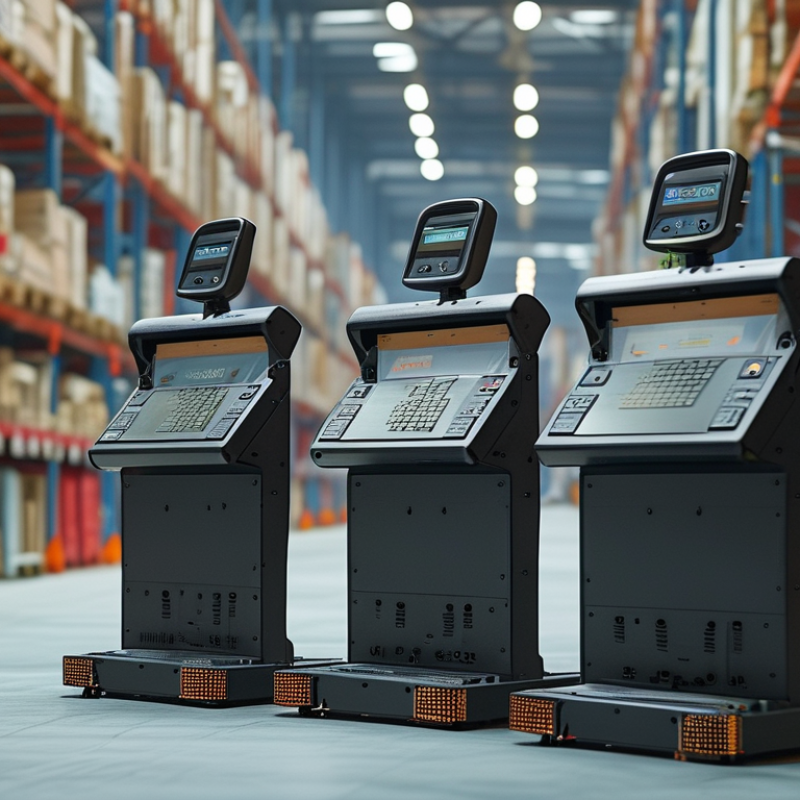
Understanding the Basics of Industrial RFID Terminals
Industrial RFID terminals are crucial for tracking assets and improving operational efficiency. Understanding their key features is essential for making informed decisions. These terminals come with various functionalities tailored for industrial environments.
When choosing an RFID terminal, consider the communication range. Some models might offer extensive coverage, while others are limited. A wider range can facilitate better accessibility in large warehouses.
Also, evaluate the environmental conditions they can withstand. Terminals must be durable enough for harsh industrial settings. Take note of their resistance to dust, moisture, and extreme temperatures.
Another important aspect is data processing speed. Fast terminal operations can minimize bottlenecks during inventory checks. Slow processing may frustrate workers, leading to inefficiencies. The ease of integration with existing systems should not be overlooked either. Ensure the terminal can seamlessly connect with your current software and infrastructure.
In summary, selecting the right industrial RFID terminal hinges on understanding its capabilities and suitability for your unique needs.
Key Features to Consider When Selecting RFID Terminals
When selecting an industrial RFID terminal, several key features demand careful consideration. According to industry reports, approximately 70% of RFID implementations fail due to inadequate hardware selection. Understanding the elements that matter can boost project success.
The reading range is critical when choosing an RFID terminal. Many models have ranges from a few inches to over 30 feet. A detailed assessment of your operational environment is essential. In warehousing, longer ranges improve efficiency. However, for small-scale applications, shorter ranges may suffice.
Another significant aspect is ruggedness. A terminal should withstand harsh conditions, such as dust and moisture. Research indicates that about 40% of RFID failures relate to environmental challenges. Evaluating IP ratings and material quality is vital. Additionally, ease of use impacts workforce efficiency. A complex interface can lead to errors and slow adoption rates.
Battery life is often overlooked. A short battery life can disrupt operations, leading to increased downtime. Reports suggest that a reliable RFID terminal should last at least 8 hours under normal operation. Analyzing these features ensures the selected RFID terminal aligns with your specific needs, maximizing performance and minimizing errors.
Evaluating RFID Terminal Compatibility with Existing Systems
Choosing the right RFID terminal is crucial for seamless operations. One major aspect to consider is compatibility with existing systems. Many businesses overlook this detail, which can lead to costly inefficiencies. Assess how your current infrastructure operates. This helps identify potential integration issues early.
Next, examine the communication protocols of the RFID terminal. Does it align with your existing hardware? Different systems use various protocols for data exchange. If mismatched, it may require additional investment in new software or interfaces. Understanding these nuances is vital to ensure smooth functionality.
Also, consider the types of tags currently in use. Not all terminals read every type of RFID tag. Take time to verify the range and frequency of your existing tags. Testing with sample terminals can reveal hidden discrepancies. Many organizations find themselves needing to adjust their operations after a poor choice. Reflecting on past decisions can help avoid similar missteps. Compatibility is not just technical; it’s strategic.
Assessing Cost-Effectiveness and Budget Constraints
When evaluating industrial RFID terminals, cost-effectiveness is crucial. A recent industry report highlights that companies can save up to 30% in operational costs by implementing RFID technology. This statistic reflects the importance of selecting a device that aligns with budget constraints while providing robust performance.
Consider the features essential to your operations. Basic terminals may seem cost-effective, but they lack advanced functionalities. For example, devices with better read ranges and processing speeds may have a higher upfront cost but lead to fewer operational delays. Research shows that delays can increase costs by as much as 25%. Balancing quality and price is essential to avoid unforeseen expenses.
Assessing the total cost of ownership (TCO) is vital. This includes maintenance costs, software updates, and potential training expenses. Some terminals require less technical support, saving your team valuable time and financial resources. In fact, studies indicate that inadequate training can increase operational errors by 20%. Prioritize terminals that offer a strong support network and training resources, ensuring long-term efficiency and effectiveness.
Top 5 Tips for Choosing an Industrial RFID Terminal
This chart illustrates the importance of various factors when selecting an industrial RFID terminal, based on a survey of industry experts. The factors include Cost-Effectiveness, Reliability, Compatibility, Support, and Scalability.
Exploring Vendor Support and Warranty Options for RFID Terminals
When selecting an industrial RFID terminal, vendor support and warranty options play crucial roles. Many organizations overlook these factors, which can lead to operational inefficiencies. According to a recent industry report, nearly 30% of RFID users encounter technical issues. Strong vendor support mitigates this risk by ensuring timely assistance.
A good warranty can save significant costs. Look for terms that cover equipment failures for at least three years. Many vendors offer extended warranties, which may be beneficial. No organization wants to face unexpected expenses from equipment breakdowns. Transparent warranty terms are essential for long-term planning.
Consider these tips when choosing your RFID terminal. Evaluate the vendor's customer support reputation. Ask for reviews or case studies from similar industries. Investigate if they provide regular updates or training on their devices. A reliable vendor can make a substantial difference in how smoothly your operations run. Remember, investing in solid vendor support can enhance your overall system functionality.