
Toll Free: 866.905.6744 | Local: 845.652.5250

Top Single Pole Transformer Suppliers for Global Buyers

Global buyers are paying closer attention to the Single Pole Transformer market. Aging distribution networks, renewable-energy connections, and rising electricity demand are increasing replacement needs. The International Energy Agency reported that global grid investment must rise sharply this decade to support electrification and clean-energy growth. The U.S. Department of Energy also identified distribution transformers as a vulnerable part of the electricity supply chain. Its 2024 supply-chain review highlighted extended lead times, material shortages, and manufacturing constraints. These details matter when selecting reliable suppliers.

A strong supplier must offer more than a competitive quotation. Buyers should examine transformer capacity, voltage class, insulation system, no-load losses, testing procedures, and delivery records. Factory photographs can reveal practical details, such as oil-filling areas, lifting equipment, and final inspection stations. IEEE Fellow Thomas Overbye has repeatedly emphasized that grid reliability is a system issue, not merely an equipment issue. That principle applies directly to every Single Pole Transformer purchase. One weak specification can create costly field problems. Small errors matter.

This guide evaluates leading suppliers by manufacturing experience, certification, export capability, customization support, and after-sales service. It also considers evidence from the U.S. DOE, the IEA, and industry engineering standards. Rankings are useful, but they are not perfect. Supplier performance can change with materials, freight conditions, and regional demand. Buyers should verify current test reports and references before signing contracts. A dependable transformer should arrive ready for service, with clear documentation and measurable performance. That is the real benchmark.
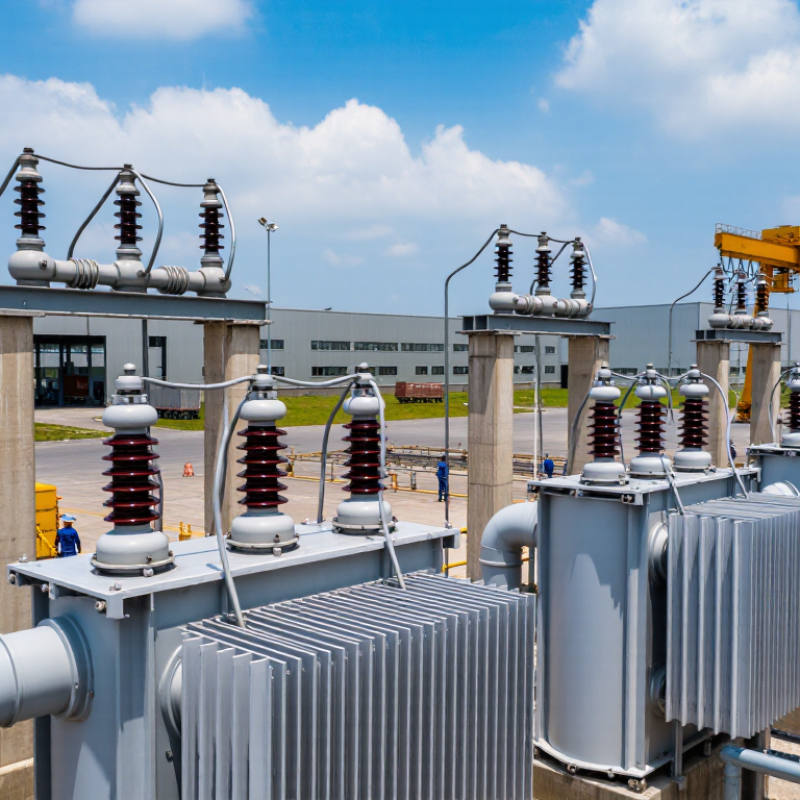
Top Single Pole Transformer Suppliers for Global Buyers

What Is a Single Pole Transformer and Where Is It Used?

A single pole transformer is a compact, single-phase distribution transformer mounted on a utility pole. It reduces medium-voltage electricity to safer household or small-business voltage. Inside the tank, insulated windings transfer energy through a magnetic core. On a quiet rural street, it may serve only a few homes. In a dense neighborhood, several units can share the load.

These transformers are common in residential networks, farms, roadside facilities, and light commercial buildings. They support lighting, pumps, heating equipment, and small workshops. The International Energy Agency’s Electricity 2024 report projects global electricity demand to grow by an average of 3.4% annually through 2026. That growth increases pressure on local distribution equipment. The U.S. Department of Energy has also identified distribution transformer losses as a major efficiency concern, with annual losses estimated at roughly 60 billion kilowatt-hours in the United States.

Small equipment. Large consequences.

For global buyers, selection should match voltage, frequency, climate, grounding practice, and expected load growth. Oil-immersed designs often suit outdoor pole installations, while dry-type options may fit specific safety or environmental requirements. Buyers should verify no-load losses, load losses, insulation levels, temperature rise, and short-circuit strength. A transformer that meets today’s demand may still become undersized within five years. That assumption deserves review. Field experience also shows that incomplete site data causes more procurement errors than the transformer rating itself. Reliable technical drawings, routine test reports, and documented factory quality controls remain essential.

What Is a Single Pole Transformer and Where Is It Used?

A single pole transformer is a single-phase distribution transformer mounted on a utility pole. It typically reduces medium-voltage electricity to low-voltage service for homes, farms, lighting systems, and small commercial facilities. The ratings below show common example capacity levels by application; actual selection depends on load demand, utility standards, voltage, climate, and installation requirements.

Key Specifications Global Buyers Should Compare

Top Single Pole Transformer Suppliers for Global Buyers

Key Specifications Global Buyers Should Compare

Choosing a single pole transformer requires more than checking the lowest quotation. In procurement reviews, I compare rated power, primary voltage, secondary voltage, frequency, and connection type first. These values must match the site design and local grid conditions. A small mismatch can create overheating, poor voltage regulation, or early failure.

Compare impedance, no-load loss, load loss, and temperature rise. These figures affect operating cost and service life. Ask suppliers for routine test reports, winding resistance results, insulation measurements, and impulse test records. Do not accept unclear tables. Request values at the stated temperature and tap position. That detail matters.

Mechanical specifications deserve equal attention. Check tank material, corrosion protection, bushing type, creepage distance, oil volume, and enclosure rating. Coastal sites may need stronger coatings and sealed protection. High-altitude projects require careful insulation review. Noise limits can also matter near homes or hospitals.

Small details matter.

Supplier reliability depends on evidence. Review manufacturing experience, quality procedures, traceability, warranty terms, spare-part access, and delivery records. A factory inspection or video audit can reveal testing equipment and assembly discipline. Certification documents should match the exact model, not a similar unit. Specifications alone can mislead. I have overlooked packaging requirements before, and damaged bushings followed. Confirm shock protection, moisture barriers, lifting points, and export documents before payment.

Leading Single Pole Transformer Suppliers by Market Strength

Top Single Pole Transformer Suppliers for Global Buyers

Leading Single Pole Transformer Suppliers by Market Strength

Market strength is more than production volume. Leading single pole transformer suppliers show stable delivery records, tested designs, and dependable regional support. Buyers should examine installed capacity, factory testing, and documented quality procedures. A supplier serving rural feeders may need different strengths from one supporting dense urban networks. That difference matters.

Technical depth remains a practical measure of supplier quality. Experienced manufacturers can provide suitable voltage ratios, insulation systems, cooling methods, and protection options. They should also explain losses, noise levels, temperature rise, and expected service life clearly. Ask for routine test reports. Check certification details. Do not rely on polished brochures alone.

Commercial resilience adds another layer. Strong suppliers usually maintain reliable component sourcing, realistic lead times, and responsive after-sales teams. Local warehouses can reduce delays when replacement units are needed. In project reviews, buyers often discover that the lowest quotation excludes transport, testing, or commissioning support. That mistake is expensive. No supplier is perfect. Even established producers may struggle during sudden demand increases or unusual specifications. A careful buyer should compare failure data, warranty terms, spare-part access, and communication quality before signing. Market strength is proven through consistent performance, not impressive claims.

Top Single Pole Transformer Suppliers for Global Buyers - Leading Single Pole Transformer Suppliers by Market Strength

Supplier Segment Typical Application Focus Common Rated Capacity Primary Voltage Range Cooling Configuration Relevant Technical Standards Global Coverage Market Strength Key Buyer Advantage
Large Utility-Scale Manufacturers Distribution networks, rural electrification, utility replacement programs 5–167 kVA Up to 36 kV primary; typically 120/240 V or 230/400 V secondary Mineral-oil immersed, ONAN IEC 60076; IEEE C57.12.00; applicable national utility specifications Global Very High Broad production capacity, established testing facilities, and strong utility-project experience
Regional Grid Specialists Medium-voltage distribution, municipal grids, commercial feeders 10–100 kVA Up to 24 kV primary; low-voltage secondary systems Oil-immersed or dry-type, depending on installation conditions IEC 60076; EN 50588-1 where applicable; local grid codes Regional / Multi-country High Good adaptation to regional voltage systems, climate conditions, and approval requirements
Export-Oriented OEM Suppliers International distributors, EPC contractors, infrastructure tenders 5–250 kVA Up to 36 kV primary; 120–480 V secondary configurations Oil-immersed ONAN; optional sealed-tank designs IEC 60076; IEEE C57 series; ISO 9001 quality systems commonly requested Global Export High Flexible customization, multilingual documentation, and export packaging capability
Compact Urban Distribution Suppliers Urban substations, commercial buildings, transport facilities, space-constrained sites 25–500 kVA Up to 24 kV primary; commonly 400/230 V secondary Cast-resin dry-type or low-loss oil-immersed designs IEC 60076; IEC 60076-11 for dry-type transformers; local fire-safety rules Global / Urban Markets Medium-High Lower installation risk, reduced fire exposure for indoor projects, and compact footprint options
Renewable-Energy Integration Suppliers Solar farms, wind projects, battery storage, and distributed generation 25–315 kVA for auxiliary and distribution applications Up to 35 kV primary; low-voltage secondary or inverter-side interfaces Oil-immersed or dry-type with enhanced harmonic and thermal design IEC 60076; IEEE C57.110 for harmonic considerations where specified; project grid codes Fast-Growth Markets Medium-High Better alignment with variable loads, inverter harmonics, outdoor environments, and renewable project schedules
Industrial Duty Suppliers Manufacturing plants, mining, oil and gas, process industries 50–1,000 kVA Up to 36 kV primary; customized secondary voltage available Oil-immersed, dry-type, or forced-air designs for specialized loads IEC 60076; IEEE C57 series; plant-specific short-circuit and environmental requirements Global Industrial Regions High Custom impedance, vector-group, enclosure, and environmental protection options
Low-Volume Custom Engineering Suppliers Replacement units, retrofit projects, unusual voltage ratios, special enclosures 1–500 kVA Application-specific; commonly below 36 kV primary Dry-type or oil-immersed according to site requirements IEC 60076 or IEEE C57 series, selected according to project jurisdiction Export / Project-Based Medium Shorter engineering path for non-standard dimensions, legacy replacements, and special interfaces
Aftermarket Replacement Suppliers Emergency replacement, maintenance stock, obsolete-unit substitution 5–250 kVA Common utility and commercial distribution voltage classes Primarily oil-immersed; dry-type options for indoor replacement IEC 60076; IEEE C57 series; purchaser-specific dimensional requirements Regional / International Medium Faster quotation cycles, compatibility-focused engineering, and support for legacy installations

Data shown are industry benchmark ranges and standards commonly used for single-pole distribution transformers. Actual capacity, voltage, efficiency, insulation level, noise limits, and certification requirements depend on the project specification, installation location, and applicable grid code.

How to Evaluate Supplier Quality, Compliance, and Reliability

Top Single Pole Transformer Suppliers for Global Buyers

Choosing a single pole transformer supplier requires more than comparing unit prices. IEA’s Electricity Grids and Secure Energy Transitions report estimates that 80 million kilometers of grids must be added or replaced by 2040. This pressure increases the risk of rushed production and weak documentation. Ask suppliers for IEC 60076 or IEEE C57 test records, calibrated equipment certificates, material traceability, and clear factory acceptance procedures. A certificate alone is not proof.

U.S. Department of Energy data supports closer efficiency checks. Its 2024 distribution transformer rule estimates nearly 3.6 quadrillion British thermal units in energy savings over thirty years. Compare no-load loss, load loss, temperature rise, insulation level, and noise results. Require sample serial numbers and independent inspection rights. Small details matter.

Tips: Check the factory, not just the website. Review at least three recent delivery records. Request failure data, warranty terms, spare-part access, and response times. Confirm compliance with the destination country’s grid code and import documentation. A reliable supplier should explain exceptions honestly. Perfect claims deserve questions.

Reliability also depends on design consistency. Examine core steel records, winding materials, oil test results, sealing methods, and surge protection. FAT should include visual inspection, ratio testing, winding resistance, insulation resistance, and dielectric tests. CIGRE guidance repeatedly highlights insulation and connection defects as serious transformer risks. Still, public failure data is incomplete. Buyers should treat supplier references as evidence, not certainty. A short pilot order can reveal more than a polished presentation.

Procurement Steps for International Single Pole Transformer Buyers

International buyers should define the application before contacting single pole transformer suppliers. Record system voltage, rated capacity, frequency, phase, insulation level, altitude, and installation location. Include climate details, such as salt air, heavy rain, dust, or extreme temperatures. Small omissions can change the correct design.

Request quotations from several qualified suppliers using the same technical schedule. Compare transformer losses, materials, protection accessories, delivery terms, warranty coverage, and spare parts. Ask for routine test reports, type-test evidence, quality certificates, and drawings for approval. A reliable supplier should explain assumptions clearly, not hide them in fine print. Check manufacturing capacity, inspection procedures, export packaging, and experience with similar grid conditions. A video factory tour helps, but an independent inspection is stronger.

Before placing an order, confirm every document and acceptance point. Review the datasheet, wiring diagram, nameplate information, dimensions, lifting points, and terminal arrangements. Specify witness testing when project risk justifies it. Confirm wooden cases, moisture barriers, shock indicators, and port handling requirements. I have seen schedules fail because delivery dates ignored local customs clearance. That mistake is avoidable, though not always obvious. Keep payment milestones linked to approved drawings, completed testing, and shipping documents. After arrival, inspect the crate before opening it, photograph damage, and record test results during commissioning. Leave room for correction. Procurement plans are rarely perfect.