
Toll Free: 866.905.6744 | Local: 845.652.5250

China Best 10t Trackless Vehicle Manufacturer?

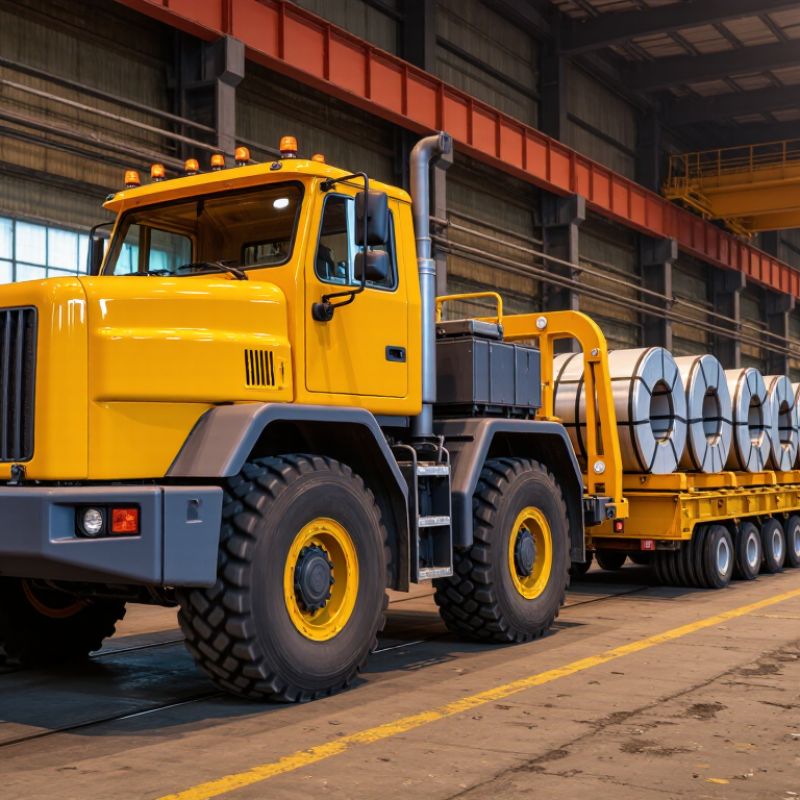
Choosing the best 10t Trackless Vehicle manufacturer in China requires more than comparing prices, photographs, or impressive factory claims. The right supplier should demonstrate practical engineering experience, stable production control, and verified performance under demanding industrial conditions. A loaded vehicle moving steel coils across a workshop floor faces dust, uneven surfaces, tight turning areas, and repeated braking. Small design weaknesses become expensive delays.

W. Edwards Deming, a widely respected manufacturing quality expert, said, “Quality comes not from inspection, but from the improvement of the production process.” This principle remains highly relevant when evaluating a 10t Trackless Vehicle manufacturer. Buyers should examine battery capacity, drive-system protection, steering accuracy, load distribution, charging safety, spare-parts availability, and after-sales response. Factory visits, test videos, inspection records, and references from operating customers provide stronger evidence than promotional language.

Real conditions matter.

A reliable manufacturer should explain how its vehicle performs after months of daily operation, not only during a short demonstration. It should also clarify whether the quoted capacity applies to level floors, ramps, or specific wheel configurations. Some suppliers may offer attractive specifications but limited customization support. That weakness deserves attention. Even experienced buyers can overlook maintenance access or operator visibility.

This guide compares leading Chinese manufacturers through engineering capability, product quality, customization experience, delivery reliability, and service support. The final choice should match your route, load type, working hours, floor condition, and safety requirements. There may be no universal “best” supplier. There is only the most suitable partner for your application.
China Best 10t Trackless Vehicle Manufacturer?

10t Trackless Vehicles: Definition, Structure, and Operating Principles

A 10t trackless vehicle is a rubber-tyred machine designed to transport materials without fixed rails. Its 10t rating normally describes payload, not total vehicle weight. In underground mines, this distinction affects ramp design, braking capacity, and ventilation planning. ISO 19296:2018 identifies mobile mining machines by their working functions, control systems, and safety requirements.

The main structure includes an articulated chassis, load body, axles, tyres, hydraulic steering, service brakes, and an enclosed operator station. A diesel engine usually drives a transmission and axles. Electric versions use battery packs, motors, and power controllers. Hydraulic pumps operate steering, tipping, and lifting functions.

During operation, torque reaches the wheels through the drivetrain. Tyre grip then converts torque into movement. On gradients, braking systems must control both speed and loaded mass. Global Mining Guidelines Group guidance stresses risk assessment for mobile equipment, especially visibility, pedestrian separation, and emergency stopping.

Field checks still matter. Reports cannot replace judgement.

Tips: Confirm the rated payload with the actual material density. Wet ore may overload a body faster than expected. Check ramp gradients, turning radius, ground clearance, and ventilation before purchase. Review brake-test records and tyre wear frequently. A 10t vehicle can look stable while carrying an uneven load. That mistake remains common. Consider payload sensors, rear cameras, proximity alarms, and fire suppression where site conditions require them. Instrumentation helps, but operators still need practical training.

Key Specifications for Evaluating a 10t Trackless Vehicle Manufacturer

China Best 10t Trackless Vehicle Manufacturer?

Evaluating a 10t trackless vehicle manufacturer requires more than checking rated payload. Payload comes first. Ask for test results with a full 10-tonne load on wet gradients, uneven ramps, and tight underground turns. Check gradeability, ground clearance, turning radius, axle load, and braking distance. A vehicle that carries 10 tonnes on paper may perform differently in a narrow mine tunnel. Numbers need context.

Energy performance also deserves careful review. The IEA’s Global EV Outlook 2024 reported a 14% decline in average battery pack prices during 2023. This supports electric options, but battery cooling, charging time, thermal protection, and shift coverage remain practical concerns. Request measured energy use per tonne-kilometre, not optimistic laboratory figures. For diesel units, examine particulate controls and ventilation demand. ISO 19296:2018 provides relevant safety requirements for mobile underground mining machines, including emergency systems and operator protection. Deloitte’s Tracking the Trends 2024 also highlights productivity, resilience, and decarbonisation as mining priorities.

Reliability is often the weak point. Ask for fleet availability data from comparable underground operations, service intervals, diagnostic records, and spare-part response times. The manufacturer should explain how brakes hold on maximum grades and how the vehicle behaves after repeated thermal loads. I would question any supplier offering perfect uptime claims. Real mines are dusty, wet, and unforgiving. A transparent test record is more valuable than a polished specification sheet.

Leading Chinese Manufacturers of 10t Trackless Transport Vehicles

Leading Chinese manufacturers of 10t trackless transport vehicles serve factories, warehouses, construction sites, and heavy equipment yards. Their vehicles usually carry steel coils, molds, machinery, or prefabricated sections across prepared floors. A practical design includes a reinforced frame, hydraulic steering, solid tires, and controlled acceleration. Electric versions can reduce indoor emissions and noise. Diesel options may suit longer outdoor routes and uneven working areas.

Experienced manufacturers normally discuss more than rated capacity. They check floor load, turning radius, ramp gradients, travel frequency, and operating temperatures before proposing a configuration. A reliable supplier should provide load tests, brake tests, battery records, wiring diagrams, and clear maintenance schedules. Inspect the welding points closely. Details matter. Operators also need simple controls, visible alarms, emergency stopping, and safe access around the vehicle.

Chinese production can offer flexible dimensions and useful customization, but buyers should avoid choosing only by price. I would request a factory video, inspection report, spare-parts list, and references from similar applications. Actual performance may change with wheel material, floor dust, and uneven loading. That gap matters. Some specifications look impressive on paper, yet daily handling can reveal slower steering or higher tire wear. A careful trial run remains essential before approving a 10t trackless transport vehicle.

China Best 10t Trackless Vehicle Manufacturer? - Leading Chinese Manufacturers of 10t Trackless Transport Vehicles

The chart compares common nominal rated-payload classes used in industrial trackless transport vehicle specifications. The 10-ton class is highlighted as the target capacity and the figures are not company or brand performance claims.

Manufacturing Standards, Safety Features, and Quality Control

A reliable 10t trackless vehicle manufacturer should prove more than lifting capacity. Manufacturing must follow documented risk assessments, controlled welding procedures, and traceable component records. ISO 19296:2018 provides safety principles for mobile mining machines. It supports checks for braking, steering, visibility, guarding, and emergency controls. Every vehicle should receive load, gradient, braking, and endurance tests before delivery. Test results need dates, conditions, and responsible engineers.

Safety features should match underground conditions. Wet ramps, dust, poor lighting, and narrow galleries create real operating pressure. Emergency braking, reverse alarms, fire protection, seat belts, rollover protection, and proximity detection deserve practical verification. The U.S. Mine Safety and Health Administration recorded 40 mining fatalities in 2023. Its safety data repeatedly highlights mobile equipment risks. A certificate alone cannot remove those risks. Even a strong checklist may miss a tired operator or a slippery ramp. That limitation requires honest review.

Tips: Request factory videos, inspection records, weld testing results, and maintenance intervals. Confirm whether braking tests reflect your steepest route and maximum payload. Ask for spare-part traceability and operator training records. Quality control should include incoming inspection, in-process checks, final road testing, and independent review. Manufacturers sometimes focus heavily on appearance. That is not enough. A small control-panel defect can become a serious delay underground, so buyers should inspect details personally.

How to Select the Best Chinese 10t Trackless Vehicle Supplier

How to Select the Best Chinese 10t Trackless Vehicle Supplier

Selecting a Chinese 10t trackless vehicle supplier requires more than comparing prices. Verify the supplier’s engineering experience, factory capacity, and export documentation. The International Labour Organization estimates that mining employs about 1% of the global workforce but causes around 8% of fatal occupational accidents. Safety cannot be a brochure promise. Ask for brake test records, steering tests, overload protection data, and maintenance procedures.

Request a complete technical file. It should show payload, gradeability, turning radius, ground clearance, axle design, and stopping distance. Check whether the 10t rating applies to level roads or actual underground gradients. A practical supplier should support a witnessed factory acceptance test with loaded driving, emergency braking, reverse alarms, and repeated hill starts. Small details matter. Lights, seat suspension, visibility, and access steps affect daily productivity.

The ICMM safety performance reporting repeatedly identifies mobile equipment and transport as major operational risks. Therefore, evaluate service depth, not only vehicle output. Confirm spare-parts availability, technician response times, warranty limits, and operator training. Review at least three comparable delivery references, preferably from mines with similar road conditions. A low quotation may hide expensive downtime. I would also question optimistic battery-life or fuel-consumption figures unless testing conditions are clearly documented. Supplier rankings can be imperfect, and customer references may be selective. Independent inspection remains worthwhile before shipment.

China Best 10t Trackless Vehicle Manufacturer? - How to Select the Best Chinese 10t Trackless Vehicle Supplier

Evaluation Dimension Recommended Screening Benchmark for a 10t Trackless Vehicle Evidence to Request from the Supplier Suggested Weight
Rated Payload A rated payload of at least 10,000 kg, clearly separated from curb weight and gross vehicle weight. Technical datasheet, load test report, axle-load calculation, and vehicle identification information. 15%
Application Suitability The configuration should match the operating environment, such as underground mines, tunnels, industrial plants, construction sites, or internal logistics yards. Application references, operating-environment questionnaire, optional equipment list, and duty-cycle calculation. 10%
Powertrain Performance The engine or electric drive system should provide sufficient tractive effort for the specified payload, slope, road surface, and travel speed; one universal power rating is not suitable for every site. Power and torque curves, traction calculation, motor or engine model, transmission details, and test results under load. 12%
Gradeability and Mobility The supplier should state the maximum recommended grade for the actual loaded condition rather than quoting an unloaded value. Turning radius, ground clearance, and approach angle must fit the route. Loaded gradeability test, turning-radius drawing, wheelbase, dimensions, tire specification, and route simulation. 10%
Braking and Safety The vehicle should include service braking, parking braking, emergency stopping provisions, warning systems, and protection against unintended movement. Performance must be verified for the maximum operating mass. Brake test records, emergency-stop test, parking-brake holding test, risk assessment, safety circuit diagram, and operator manual. 15%
Structural Durability The chassis, dump body or flatbed, suspension, axles, and mounting points should be designed for repeated loading, vibration, shock, and uneven ground conditions. Finite-element or structural calculation where applicable, material certificates, weld inspection records, load-cycle test, and component drawings. 10%
Manufacturing and Quality Control A reliable supplier should use documented incoming inspection, process inspection, final inspection, traceability, and nonconformity controls. Quality-management certificate, inspection and test plan, factory audit access, serial-number traceability, and sample inspection records. 10%
Customization Capability The supplier should be able to adapt body type, steering arrangement, tires, lighting, cabin, control system, power source, and dimensions to the purchaser’s route and workflow. General arrangement drawing, customization matrix, engineering-change procedure, prototype plan, and approval drawings. 8%
Serviceability and Spare Parts Routine inspection points should be accessible, and commonly replaced items should have documented part numbers, maintenance intervals, and replacement procedures. Parts list, maintenance manual, recommended spare-parts package, lubrication chart, troubleshooting guide, and service response process. 5%
Testing and Acceptance A pre-shipment inspection should verify dimensions, payload, controls, braking, steering, lights, alarms, hydraulic functions, and operating documentation. Factory acceptance test procedure, signed inspection checklist, test videos, calibration records, and punch-list closure report. 3%
Commercial Terms and Total Cost Compare the complete delivered cost, including vehicle configuration, tooling, packaging, inland transport, shipping, spare parts, training, warranty, and after-sales support. Itemized quotation, Incoterms, production lead time, warranty terms, payment schedule, packing specification, and ownership-cost estimate. 2%
Total Suggested Evaluation Weight 100%
Selection principle: Choose the supplier that provides verifiable test evidence, accurate loaded-vehicle performance data, documented quality control, suitable customization, and dependable service support—not simply the lowest quotation.