China Top 10 Multi Conductor Cable Manufacturers?
China has become a major source of industrial wire and cable products. Its manufacturers serve automation, robotics, transportation, energy, and control-system projects worldwide. This guide examines ten notable Chinese manufacturers associated with multi conductor cable production and supply.
The selection considers manufacturing experience, product range, testing capability, certifications, and export performance. It also considers practical details, such as conductor materials, insulation types, shielding options, temperature ratings, and custom jacket designs. These factors can affect signal stability, bending life, installation safety, and long-term maintenance costs. A factory may display impressive equipment, yet its quality records and technical support deserve closer attention. Details matter.
Reliable evaluation requires more than reading company profiles. Buyers should request current datasheets, sample cables, test reports, traceability information, and clear production lead times. Factory audits can reveal useful details, including winding accuracy, labeling practices, storage conditions, and inspection procedures. Communication quality matters too. Engineers must understand voltage, current, bend radius, operating temperature, and application environment before recommending a cable.
No list is perfect. Manufacturer capabilities change, and product quality may vary between standard and customized orders. Some suppliers are strong in high-volume production, while others perform better with low-volume engineering projects. This overview therefore offers a practical starting point, not a final purchasing decision. Readers should verify specifications directly and compare evidence against their own project requirements. A dependable multi conductor cable supplier should provide consistent documentation, responsive technical guidance, and measurable quality control from raw materials to finished reels.
Defining Multi-Conductor Cables and Their Main Applications
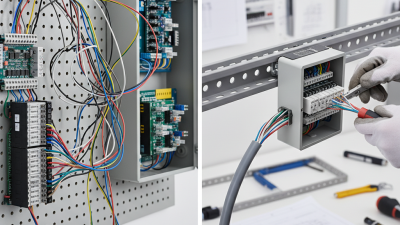
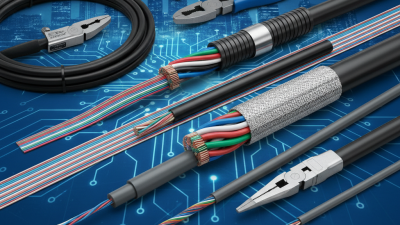
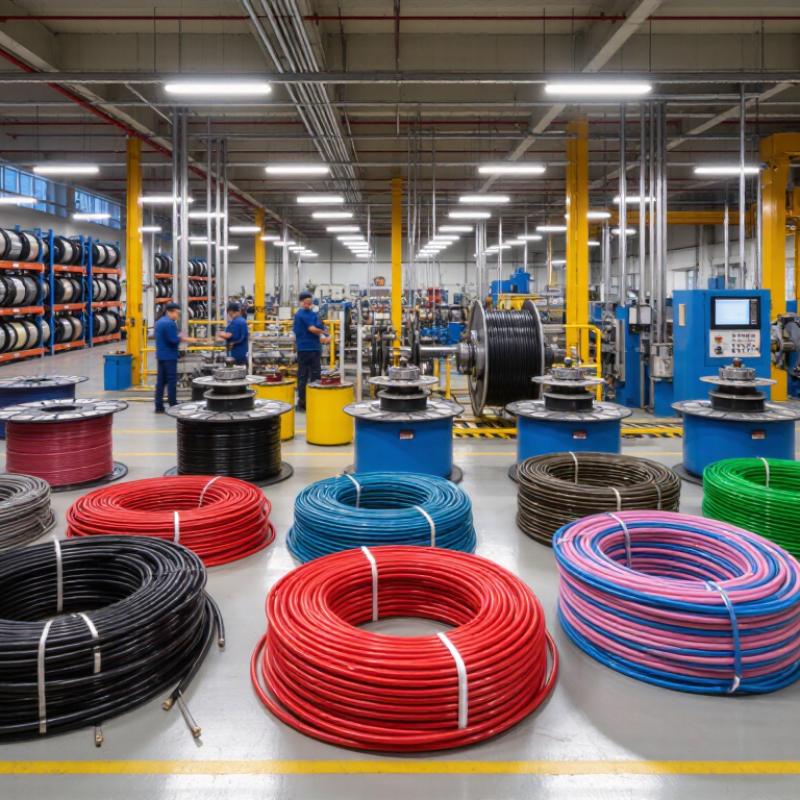
Multi-conductor cables contain two or more insulated conductors inside one protective jacket. Each conductor carries power, control signals, audio, or data. Some designs also include shielding, drainage wires, fillers, and a grounding conductor. The structure depends on the working environment. A flexible robotic cable needs fine-stranded copper and a durable jacket. A fixed control cable may use thicker conductors and simpler insulation. Color coding helps technicians identify circuits during installation. It reduces wiring errors.
Their applications are broad. Industrial equipment uses them for sensors, motors, valves, and emergency controls. Building automation systems connect thermostats, access devices, and lighting controls. Audio systems often require balanced pairs to reduce electrical noise. Medical and laboratory equipment may need small, flexible cables with stable signal performance. Outdoor installations demand resistance to moisture, sunlight, temperature changes, and mechanical stress. In practice, cable selection is rarely based on conductor count alone.
A dependable supplier should provide conductor size, insulation material, voltage rating, bending limits, shielding details, and test records. Useful inspections include continuity testing, insulation resistance testing, dimensional checks, and visual examination. Flame performance may also matter in occupied buildings. A common mistake is choosing a cable by price before checking installation conditions. I have also found that printed specifications can hide uncertainty around bending life or noise control. That deserves careful questioning. Reliability comes from matching the cable to its real workload, not from impressive wording.
Key Criteria for Ranking China’s Top Cable Manufacturers
China Top 10 Multi Conductor Cable Manufacturers?
Ranking China’s top multi conductor cable manufacturers requires more than comparing factory size or export volume. A reliable assessment starts with conductor quality, insulation consistency, and production control. Copper purity should match declared specifications. Cable samples should also show stable resistance across repeated tests. Small variations can create serious installation problems.
Compliance evidence matters. Reviewers should check test reports, quality certificates, factory audit records, and traceability procedures. Strong manufacturers identify raw material batches and retain inspection data. Their laboratories should test voltage, insulation strength, flame performance, bending endurance, and temperature resistance. Practical experience matters too. A supplier that has solved routing, shielding, or vibration issues can offer better engineering support.
Delivery performance deserves equal attention. Examine production capacity, lead times, packaging, and responses to technical changes. Clear drawings and documented approvals reduce costly misunderstandings. Warranty terms should explain responsibilities, not hide behind general promises. Environmental controls and worker safety also reflect operational maturity.
No ranking is perfect. Public data may be incomplete, while polished certificates cannot prove every daily process. Independent sampling and an on-site audit remain valuable. Pricing alone is a weak filter. The strongest candidates combine measurable quality, responsive communication, stable production, and evidence from real projects. Look closely.
Key Criteria for Ranking China’s Top Multi-Conductor Cable Manufacturers
Suggested weighting model for evaluating manufacturers based on product quality, production capability, compliance, and supply reliability.
The ranking framework emphasizes technical compliance and consistent product quality, followed by manufacturing capacity, customization capability, delivery performance, testing facilities, and international supply experience. Percentages represent evaluation weights rather than data from any individual company.
China’s Top 10 Multi-Conductor Cable Manufacturers
China’s Top 10 Multi-Conductor Cable Manufacturers deserve careful comparison, not a simple popularity list. MarketsandMarkets reported that the global wire and cable market could reach about USD 281 billion by 2028. This growth increases demand for control, instrumentation, industrial automation, and data transmission cables.
A practical ranking should examine conductor count, insulation consistency, shielding design, and factory testing. In production audits, buyers should review resistance readings, voltage tests, bending cycles, and batch traceability.
UL, IEC, and ISO-based documentation also matters, especially for export projects. Cable samples should be checked under real conditions, including tight cable trays, repeated movement, oil exposure, and temperature changes. Small details matter.
The strongest manufacturers usually provide copper options, precise color coding, custom jackets, and stable delivery records. According to the International Energy Agency’s electricity analysis, global power demand continues rising, supporting long-term investment in electrical infrastructure. Yet market rankings can be imperfect. Public data rarely reveals rejected batches, corrective actions, or after-sales response times.
Buyers should request recent test reports, production photos, and references from comparable projects. Price alone is a weak signal. A lower quotation may hide thinner insulation or limited quality control. In my view, China’s top ten should be judged by repeatable engineering performance, transparent evidence, and the ability to solve problems after shipment.
Products, Technologies, and Industries Served by Leading Brands
China’s leading multi-conductor cable manufacturers compete through product range, process control, and application knowledge.
Their catalogs often include control cables, instrumentation cables, flexible drag-chain cables, shielded data cables, and custom harness assemblies. Copper conductors may use fine stranding for repeated movement, while PVC, PUR, LSZH, or fluoropolymer jackets support different environments.
Manufacturing quality depends on details customers rarely see. Automated extrusion keeps insulation thickness stable. Braided shields reduce electromagnetic interference near motors and inverters. Color coding and numbered cores simplify installation inside crowded control cabinets. Experienced suppliers also use spark testing, conductor resistance checks, high-voltage tests, and temperature cycling. A cable reel should arrive clean, evenly wound, and clearly labeled. Small defects matter.
The strongest manufacturers serve factory automation, robotics, energy storage, solar equipment, rail systems, elevators, medical devices, and industrial machinery. Outdoor projects may require UV resistance and water-blocking layers. Robotic applications need tested bending cycles, not just attractive specifications. Marine and transport projects demand stricter flame and smoke performance. Compliance documents should match the actual construction, not a generic template.
No cable fits every job. In practice, selecting only by conductor count can cause failures. Engineers should verify voltage, current, bending radius, shielding, temperature, and installation length. Some suppliers explain these limits well; others leave gaps. That difference deserves attention. Even a technically strong product can disappoint when the datasheet lacks clear test conditions.
How to Select a Reliable Chinese Multi-Conductor Cable Supplier
Choosing a reliable Chinese multi-conductor cable supplier requires more than comparing the lowest quotation. Check whether the factory controls conductor stranding, insulation extrusion, shielding, and final testing internally. Ask for production photos, equipment lists, and recent inspection records. A serious supplier should explain conductor size, insulation material, voltage rating, temperature range, bend radius, and flame performance in clear technical language.
Request samples from the same production line used for mass orders. Test resistance, insulation thickness, continuity, flexibility, and labeling before approval. Review certificates carefully, because a document may cover only one cable design, not every variation. Confirm whether testing follows the standards required in your destination market. Traceability also matters: each reel should connect to a batch, date, and inspection report.
Visit the facility when possible, or arrange a live video audit. Observe material storage, moisture control, calibration labels, and rejected-cable handling. Ask about minimum order quantities, lead times, packaging, replacement procedures, and communication during delays. A supplier with export experience should provide accurate drawings and stable change control. Do not rely on impressive samples alone. One common mistake is judging quality from appearance; a smooth jacket can hide poor conductor resistance. My own selection criteria would remain open to revision after field testing, because factory promises and long-term cable performance are not always identical.