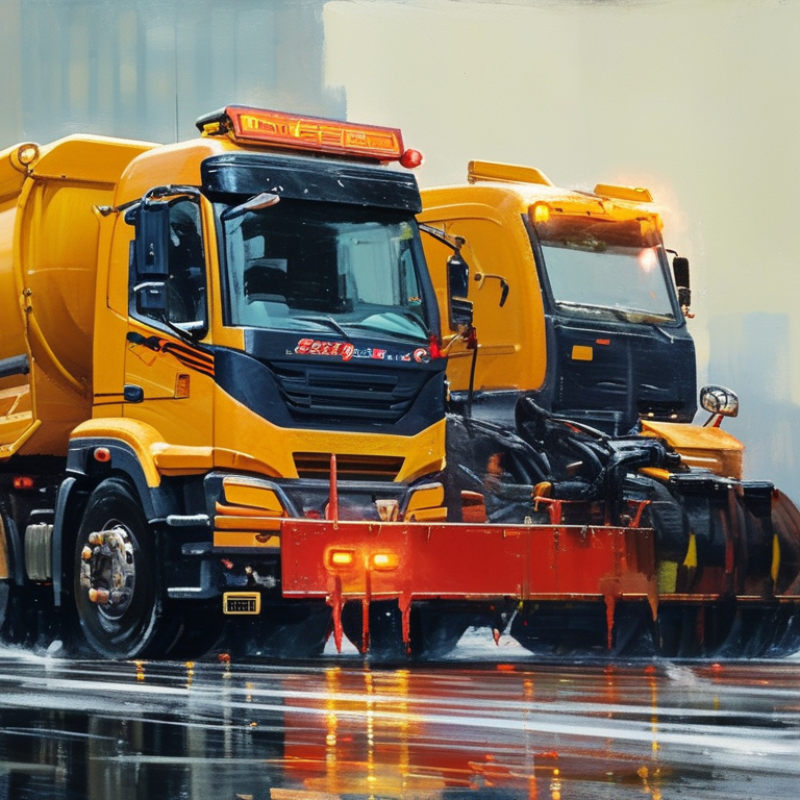
10 Tips for Riding a Thermoplastic Marking Vehicle Safely
Riding a Thermoplastic Marking Vehicle poses unique challenges. Safety should be a top priority for operators. These vehicles are essential for road maintenance and marking. However, improper handling can lead to accidents.
Before embarking on a ride, it's critical to understand the vehicle's controls and functions. Many riders underestimate the importance of safety gear. Wearing a helmet and reflective clothing can significantly reduce risks. Awareness of your surroundings is also vital. Drivers often overlook blind spots.
Learning from experienced operators can provide valuable insights. They can share their personal experiences and the mistakes they've made. This wisdom helps new riders navigate common pitfalls. By prioritizing safety and being mindful, operators can enjoy riding while minimizing risk.
Understanding the Basics of Thermoplastic Marking Vehicles
Thermoplastic marking vehicles are essential for road maintenance. They apply durable markings on surfaces like asphalt and concrete. Understanding their operation is vital for safety and efficiency. These vehicles use heated materials that solidify upon cooling. This process ensures road markings last longer, even under harsh weather.
Operators must be trained to handle these machines. Familiarity with the vehicle's controls is crucial. Awareness of surrounding traffic is also important. Visibility is often limited when marking roads. Operators should wear high-visibility attire to enhance safety. Attention to detail is necessary, as uneven marking can lead to confusion for drivers.
Challenges can arise during operation. Weather conditions can affect material adherence. Operators must constantly check the temperature of the thermoplastic. If it’s too cool, the marking may not stick properly. Regular maintenance of the vehicle is also needed. Over time, wear and tear can compromise performance. Operators should reflect on their experiences to improve their skills. This reflection can lead to better practices and safer operations.
Essential Safety Equipment for Operators of Marking Vehicles
Operating a thermoplastic marking vehicle requires careful attention to safety. Essential safety equipment can make a significant difference. First, ensure you have personal protective equipment (PPE) tailored for the job. This includes hard hats to shield against falling objects and safety goggles to protect your eyes from paint splatter. Steel-toed boots are necessary to prevent foot injuries from heavy materials.
Reflective vests are crucial for visibility, especially in low-light conditions. They alert other drivers and pedestrians of your presence. Additionally, gloves can help protect your hands from harsh chemicals used in thermoplastic marking. It's easy to overlook gear like hearing protection, but it’s important when operating machinery that generates noise.
Furthermore, consider the condition of your equipment. Regular inspections ensure safety features are functional. For example, check the fire extinguisher regularly, as it’s easy to forget. If you’re unsure about the gear you need, seek advice from experienced operators. Reflect on your practices and look for areas to improve. Every step you take in prioritizing safety contributes to a better work environment.
10 Tips for Riding a Thermoplastic Marking Vehicle Safely
| Tip Number | Safety Tip | Essential Equipment |
| 1 | Wear appropriate safety gear | Helmet, gloves, and safety glasses |
| 2 | Conduct a vehicle inspection before use | Safety checks, maintenance tools |
| 3 | Ensure good visibility conditions | Working lights, mirrors |
| 4 | Keep the work area clear of obstacles | Traffic cones, warning signs |
| 5 | Stay alert and focused | Mental preparedness tools |
| 6 | Follow all operational guidelines | Manuals and training materials |
| 7 | Use signal communication with ground crew | Two-way radios |
| 8 | Maintain appropriate speed | Speed limit signage |
| 9 | Avoid distractions while operating | Dedicated communication tools |
| 10 | Practice emergency procedures regularly | Emergency response kit |
Pre-ride Checklists: Ensuring Vehicle Readiness for Safe Operation
Before operating a thermoplastic marking vehicle, a pre-ride checklist is essential. This process ensures the vehicle is ready for a safe and efficient operation. Start by inspecting the tires. Check the air pressure and look for any visible damage. Under-inflated tires can lead to accidents, so it's crucial to get this right.
Next, examine the vehicle's fluid levels. Ensure the oil, coolant, and hydraulic fluids are at proper levels. Low fluids can impede performance and lead to breakdowns. It's also important to check the brakes. A quick test of the brake responsiveness can prevent potential accidents on the job.
Don't overlook the marking equipment. Make sure the thermoplastic dispenser is clean and functioning properly. Inspect the heating elements for wear. A small malfunction in this area can cause serious issues during operation. Keeping your equipment in top shape not only assures safety but also improves efficiency. Regular maintenance records can help track these checks. Emphasizing these details can help create a safer work environment.
Best Practices for Navigating Traffic While Marking Roads
Navigating traffic while using a thermoplastic marking vehicle poses unique challenges. According to the Federal Highway Administration, about 10% of traffic accidents happen in work zones. Maintaining visibility is key. Use bright signs and cones to alert drivers. Positioning these markers well can reduce confusion. Standard practice suggests a buffer zone of at least 15 feet between moving traffic and workers.
It is also crucial for vehicle operators to stay aware of their surroundings. A distracted driver can result in serious accidents. Research shows that over 25% of work zone injuries involve non-motorists, such as pedestrians. Operators should be trained to communicate effectively with crew members. This practice helps ensure everyone understands their duties and can react quickly to changing situations.
On a practical level, consider the limitations of thermoplastic marking vehicles. Their size can impact maneuverability, especially in tight spaces. It's important to conduct a thorough site assessment before beginning work. Are there areas where traffic patterns change unexpectedly? Document those observations. Reflecting on these aspects will enhance safety and overall efficiency during road marking operations.
Emergency Protocols for Thermoplastic Marking Vehicle Operators
Operating a thermoplastic marking vehicle involves specific emergency protocols to ensure the safety of all personnel involved. According to the National Institute for Occupational Safety and Health (NIOSH), incidents related to construction vehicles can lead to serious injuries, emphasizing the need for comprehensive emergency training. Operators should regularly review emergency exit strategies and have a clear plan in place for potential equipment malfunctions. Understanding the layout of the work site, including access routes, is crucial for swift evacuation if necessary.
In incidents of equipment failure, operators should immediately follow pre-established protocols. One common issue is the overheat of thermoplastic material, which can pose a burn risk. Operators must be trained to recognize heat indicators and know how to safely cool the equipment. A documented protocol ensures every team member acts decisively, reducing hesitation in critical moments. Regular drills on these potential emergencies can foster preparedness, reinforcing a safety-first mindset.
In a study conducted by the Occupational Safety and Health Administration (OSHA), improper handling of thermoplastic marking materials accounted for 15% of job-site injuries. This statistic underscores the importance of not only following safety guidelines but also creating a culture that prioritizes safety. Operators should encourage open dialogues about safety concerns, promoting an environment where reporting near-misses is normalized. Through continuous training and reflection, the aim is to minimize risks and enhance operational efficiency on the job site.