Top Tips for Choosing the Right Small Micro Switch
Choosing the right Small Micro Switch is crucial for many industries. These components perform essential functions in electronics, appliances, and automotive applications. According to a recent industry report by Research and Markets, the global micro switch market is projected to grow by 10% annually. This growth stems from increasing demand for automation and smart technology.
Selecting an appropriate Small Micro Switch can be challenging. Factors like size, actuation force, and mechanical life must be considered. A poorly chosen switch can lead to device failure. This may result in costly downtime. Additionally, recent studies show that 30% of equipment failures are linked to switch malfunctions. Thus, expertise in choosing the right switch is vital.
As technology advances, the variety of Small Micro Switches increases. However, not all switches meet high-performance standards. Ensuring reliability and durability should be a priority. Some manufacturers may exaggerate their products' capabilities. Thus, careful evaluation of specifications and testing results is necessary. Users must adopt a discerning approach in this evolving landscape.
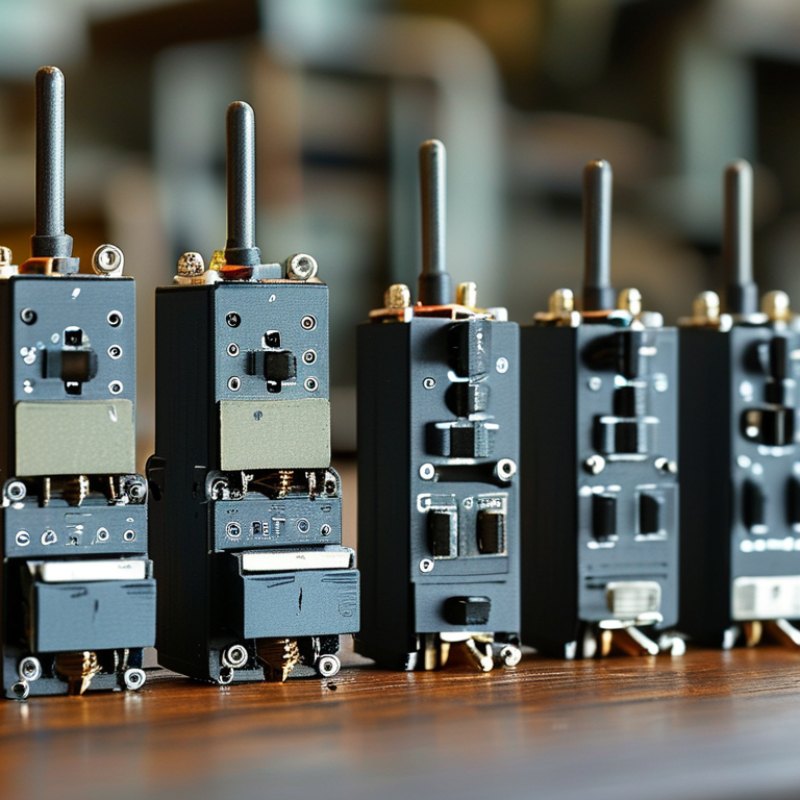
Understanding the Basics of Small Micro Switches
When selecting a small micro switch, understanding the basics is vital. These switches are mechanical devices used in numerous applications. They work by opening or closing electrical circuits. The effectiveness of these switches can vary based on design and specifications.
A critical tip is to consider the operating force. Different applications require switches with varying actuation forces. Too much force can lead to premature wear. Too little may not activate the switch effectively. Testing different force levels can provide better insights into the best fit for your needs.
Another factor is size and mounting type. The switch must fit your application’s space constraints. Some designs may require specific mounting styles. Ensure the switch easily integrates with your existing systems. Don’t overlook the importance of reliability. A poor choice can lead to system failures, impacting overall performance. Always review product specifications carefully to avoid mistakes.
Identifying the Application Needs for Your Micro Switch
Choosing the right micro switch begins with understanding your application needs. Different devices require unique specifications. For instance, consider the environment where the switch will be used. Will it face moisture, dust, or extreme temperatures? These factors dictate the switch's material and construction. A robust, durable switch is essential for outdoor use, whereas a standard switch may suffice for indoor applications.
Next, assess the switch's performance requirements. What is the needed actuating force? Does it need to support various voltage levels? A light touch may work for sensitive devices, while heavier machinery demands stronger actuation. Make a list of specifications tailored to your project. This ensures alignment between the switch's capabilities and your system's requirements.
Lastly, think about longevity and reliability. Micro switches have different life expectancies. Some are designed for millions of cycles, while others may not last as long. Selecting the right one means weighing short-term costs against long-term reliability. Check the manufacturer’s guidelines for performance data. This insight can prevent potential failures and enhance overall device performance. Making the right choice is not always straightforward, but careful consideration of these factors leads to better outcomes.
Top Tips for Choosing the Right Small Micro Switch
This chart provides insight into the common application needs for micro switches in various industries. It showcases the percentage of usage based on application type, helping you identify the right micro switch for your requirements.
Evaluating Key Specifications for Micro Switch Selection
When choosing a small micro switch, evaluating key specifications is essential. The durability of a micro switch can vary significantly. According to industry reports, a high-quality switch typically lasts for over one million operations. This longevity is crucial for applications requiring reliability. However, not all switches meet this standard, and lower-quality options may fall short.
Another critical factor is the operating force. The required actuation force can impact usability and performance. Micro switches come in a range of actuation forces, from as low as 100 grams to over 300 grams. A mismatch between the micro switch's force and the application's needs can lead to operational inefficiencies. It is vital to select a switch that aligns with your specific requirements to ensure optimal function.
Contact configuration plays a significant role, too. Typically, micro switches offer a variety of contact arrangements, including SPDT and DPST configurations. Understanding the electrical configuration is vital for achieving desired performance and safety levels. Overlooking this detail could lead to circuit failures. Always refer to detailed technical documents to ensure compatibility with your system.
Considering Size and Mounting Options for Micro Switches
When choosing a micro switch, size and mounting options are crucial. Many industries rely on small switches for their compact footprint. According to a recent industry report, nearly 75% of manufacturers prefer micro switches due to their versatility. However, the right size can be tricky. Many micro switches are available in various dimensions, so determining the correct one for your device is essential. If the switch is too large, it may not fit. If it's too small, it may not handle the required load.
Mounting options also greatly impact functionality. A survey from the International Electrotechnical Commission noted that improper mounting could lead to a 30% failure rate. This is significant for industries like automotive, where reliability is paramount. Different mounting styles, such as snap-in or screw mount, can change how the switch integrates into your system. Each option has unique benefits and drawbacks, requiring careful consideration.
It can be tempting to choose the most compact design, but this must align with operational demands. Smaller switches sometimes compromise on reliability or robustness. Understanding the physical environment and operational requirements is critical. Take into account factors like vibrations and exposure to elements, which could affect performance. Choosing the right micro switch involves balancing size with durability and functionality.
Comparing Brands and Quality of Small Micro Switches
When considering small micro switches, it’s vital to compare brands and their quality. Not all micro switches are made equal. Some may be manufactured with cheaper materials. This can lead to a shorter lifespan and unreliable performance. Investigating the materials used can reveal a lot about the switch's durability. Look for components that can withstand frequent use without failing.
Another aspect to consider is the brand's reputation in the industry. Reviews and user feedback can provide insights into long-term reliability. Brands with consistent positive reviews often employ better quality control measures. However, some lesser-known brands can occasionally provide exceptional products. It’s worth digging deeper into user experiences to find hidden gems.
Quality in micro switches often comes down to specifications. Check the operational ratings, such as voltage and current capacity. A poorly rated switch might not perform well under heavy loads. Balancing cost with performance is crucial. An initially cheaper option may cost more in replacements and maintenance. Prioritize making an informed decision based on thorough research.