How to Install Fiber Optic Wire for Faster Internet Connection?
In today's digital age, the demand for faster internet is skyrocketing. Fiber optic wire technology has emerged as a crucial solution. According to a report by the Fiber Broadband Association, fiber optic connections can deliver speeds of up to 1 Gbps. This is significantly faster than traditional copper wires, which often struggle to keep up with modern needs.
Installing fiber optic wire can seem daunting. However, the benefits are worth it. Not only does fiber provide superior speed, it also offers better reliability and lower latency. The technology uses light to transmit data, which minimizes signal loss. Yet, many are still unsure about the installation process. There are common pitfalls to avoid and steps that can enhance the performance of your network.
It's important to consider local infrastructure. Not every area has fiber optics readily available. Some installations might require digging or other alterations. Learning about these challenges is key. Even with these hurdles, investing in fiber optic wire can revolutionize your online experience.
Understanding Fiber Optic Cable Basics for Internet Installation
Understanding fiber optic cables is key to better internet. These cables carry data as light signals. They can offer much faster speeds than traditional copper cables. Knowing how they work helps in installation and troubleshooting.
Fiber optic cables come in two varieties: single-mode and multi-mode. Single-mode cables are best for long distances. They use a single light path, reducing signal loss. Multi-mode cables are suitable for shorter runs. They bundle multiple paths for light, making them easier to install over smaller areas. However, they can have more signal dispersion.
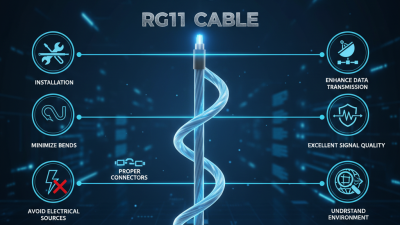
When installing fiber optic cables, attention to detail is crucial. It's essential to avoid sharp bends and twists, which can damage the fibers. Proper connectors and tools improve the setup. Reflect on the differences in installation compared to copper. The process can be tricky, and mistakes can lead to slower speeds. Learning from each attempt enhances skills for the next project.
Tools and Materials Needed for Fiber Optic Wire Installation
Installing fiber optic wire can seem daunting, but having the right tools and materials makes the process smoother. At the core of your installation, you'll need fiber optic cables, of course. Choose the length wisely based on your layout. An optical network terminal is also essential. This device connects your fiber optic system to the internet provider's network.
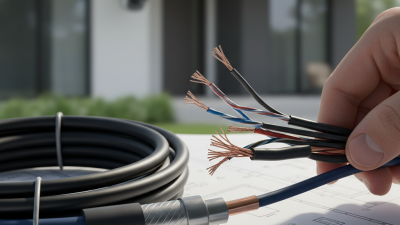
You’ll require tools like a fiber optic stripper and cleaver for accurate preparation. A multi-meter can help check signal strength. Remember, precision matters. Using incorrect tools can lead to a faulty setup. It’s also wise to have a flashlight for dark spaces. Sometimes, installation areas are not well lit, and visibility is crucial. While gathering materials, consider safety gear as well. Eye protection is important. Also, gloves can prevent accidental damage to the cables.
Organizing everything can improve efficiency. Keep your workspace neat. A cluttered area can lead to mistakes. Still, don’t worry if things don’t go perfectly the first time. It’s a learning experience. Reflexing on your process can yield better results next time. Each installation offers new insights. You will improve with practice.
Step-by-Step Guide to Installing Fiber Optic Cable
Installing fiber optic wire can significantly enhance your internet connection speed. To get started, gather your tools: fiber optic cables, connectors, and a fiber cleaver. Always measure the distance accurately. A common mistake is not accounting for bends and turns.
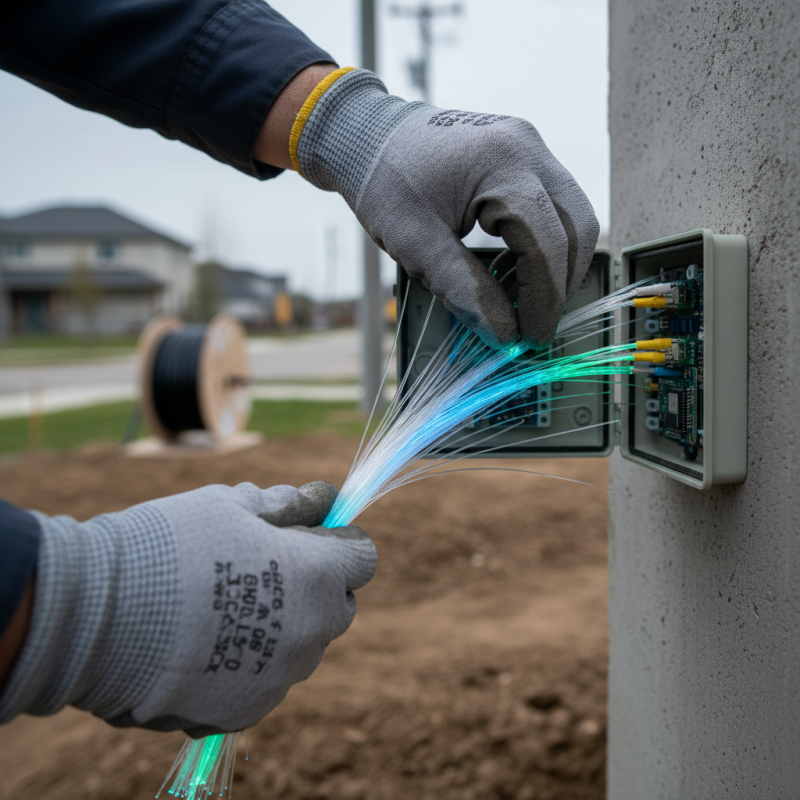
When working with fiber optic cable, handle it carefully. The fibers are delicate. A tight bend can cause signal loss. Additionally, ensure that your workspace is clean. Dust particles can obstruct connections and lead to performance issues.
Here are some tips to keep in mind:
- Use protective gloves to avoid oil from your skin touching the fibers.
- Test connections during installation. This can save time later.
- Don't rush the installation. Quality is key. Poorly installed cables can lead to frustration.
Remember to plan your layout wisely. Take the time to double-check your measurements and connections. Mistakes at this stage can be costly and time-consuming to fix. Quality installation is crucial for achieving the fastest speeds possible, as studies show well-installed fiber can reach over 1 Gbps.
Testing and Troubleshooting Your Fiber Optic Connection
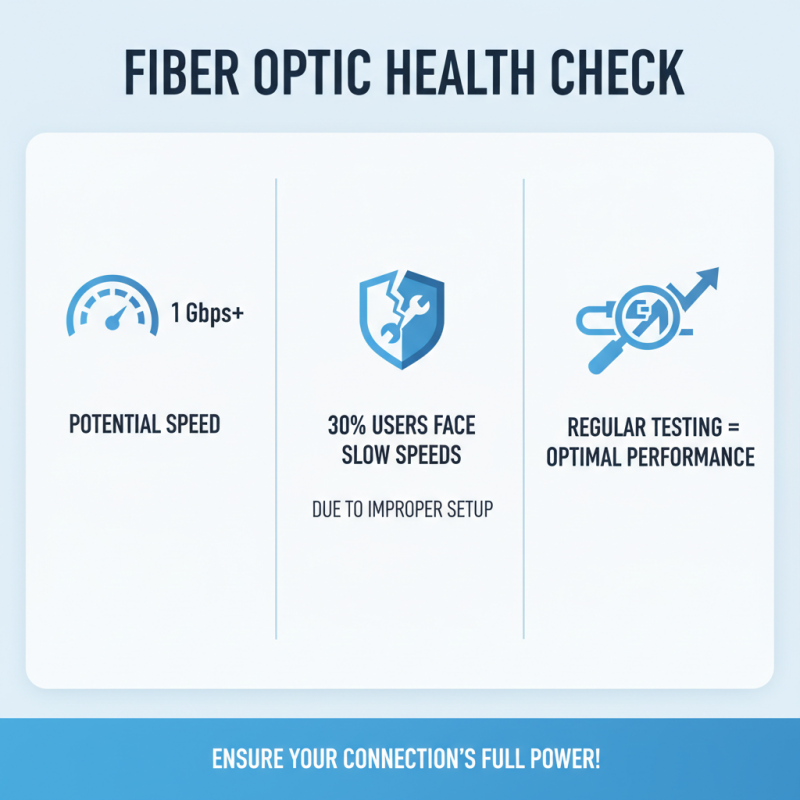
Testing your fiber optic connection is crucial for ensuring optimal performance. Fiber optic technology can offer speeds of over 1 Gbps, but even the best setups can experience issues. According to a recent industry report, around 30% of internet users face problems with connection speeds due to improper installations. Regular testing helps identify these issues early.
Use a fiber optic tester to measure signal loss. Check if the readings exceed the recommended levels. Generally, a loss of more than 0.3 dB/km is concerning. Look for physical damages to cables, as this can also affect performance. Inspect connectors and ensure they are clean and properly seated. Dust or misalignment can significantly hamper your connection quality.
Tips for troubleshooting: Always keep spare connectors handy. They can save time during unexpected breakdowns. If your speeds still fall short, consider re-evaluating your setup. Sometimes, optimal cable lengths and pathways can make a huge difference. Remember that не just the technology counts—your installation environment plays a role too. Regularly reviewing your setup can lead to improved internet speeds.
Maintenance Tips for Optimizing Fiber Optic Internet Performance
Maintaining a fiber optic internet connection is crucial for optimal performance. Regular checks can identify issues early. For instance, a study shows that 60% of slow internet complaints arise from poor maintenance, not from the technology itself. Many users overlook this aspect, leading to frustration.
Cleaning fiber optic connectors is essential. Dust and dirt can disrupt the signal. Experts recommend using a specialized cleaning kit monthly. Ignoring this can lead to a 30% reduction in speed. It's surprising how a simple task like cleaning can restore lost performance. The environment also affects performance. Humidity and temperature fluctuations can warp cables, creating latency issues.
Regular inspections can save time and resources. A recent report indicated that a lack of routine maintenance could increase repair costs by 25%. Users should document any observed changes in speed. Reflecting on these details allows for proactive adjustments. Addressing minor issues now can prevent larger headaches later on.