Top Insights on PV Wire Performance in Solar Energy Applications?
In the rapidly evolving solar energy sector, the performance of PV wire plays a crucial role. Recent studies indicate that high-quality PV wire can enhance system efficiency by up to 10%. This increased efficiency is vital, especially as the global solar market is projected to grow by 20% annually over the next five years. However, not all PV wires are created equal.
Understanding the intricacies of PV wire performance is essential. Factors such as temperature resistance and UV durability significantly impact the overall lifespan and reliability of solar installations. For instance, inferior wiring can lead to energy losses, with reports suggesting that poor connections can waste as much as 5% of generated energy. Stakeholders must recognize these challenges and invest in superior PV wire solutions to optimize solar panel output.
Despite advancements, there’s still a gap in awareness regarding the specific needs of PV installations. Many installers overlook the importance of wire selection, which can lead to suboptimal performance. As the industry evolves, a better understanding of PV wire can drive improvements in solar technology. Continuous education on best practices remains crucial for maximizing solar energy potential.

Understanding PV Wire Specifications for Solar Applications
In solar energy applications, understanding PV wire specifications is crucial for optimal performance. PV wires are designed to withstand harsh environmental conditions. They play a vital role in ensuring electricity flows effectively from solar panels to inverters. Industry reports indicate that the correct choice of PV wire improves efficiency by up to 10%.
Heat resistance is one key specification. Many PV wires can tolerate temperatures between -40°C and 90°C. Some reports suggest that over time, improper insulation can degrade performance. Additionally, the wire’s UV resistance is paramount. Without sufficient protection, UV exposure can lead to premature failure. It’s estimated that nearly 30% of solar installations suffer from wire-related issues, often linked to the choice of materials.
Voltage rating is another critical factor. Most PV wires are rated for 600V or 1000V. Choosing a wire with a lower voltage rating can lead to insulation breakdown. Even with specifications, field testing is essential. Inconsistent results during installations highlight the need for better oversight in wire selection and handling. Unforeseen challenges can lead to costly repairs, reinforcing the importance of thorough evaluations in every solar project.
Top Insights on PV Wire Performance in Solar Energy Applications
This chart illustrates key specifications for PV wire performance in solar energy applications. The data reflects the performance metrics such as temperature resistance, UV resistance, flexibility, conductivity, and temperature coefficient, which are crucial for assessing the effectiveness and reliability of PV wires in solar systems.
Key Factors Influencing PV Wire Performance in Solar Systems
In solar energy systems, PV wire performance is crucial. The efficiency of these wires directly impacts energy transmission and overall system output. Several key factors influence this performance. Firstly, the wire's temperature rating plays a vital role. PV wires are designed to withstand high temperatures, typically up to 90°C. Exceeding this can lead to insulation failure and energy loss.
Another critical factor is the wire's conductivity. High-quality copper wires are often preferred because they reduce energy losses. A report by the National Renewable Energy Laboratory highlights that conductivity can affect system efficiency by up to 5%. Additionally, UV resistance of the insulation is significant. Wires exposed to sunlight can degrade, reducing lifespan and performance.
Environmental conditions also matter. For example, wires in coastal areas may face corrosion risks due to salt exposure. Some installations overlook this aspect, leading to higher maintenance costs. Regular inspections are necessary to ensure the integrity of the wiring. Understanding these elements can lead to more efficient solar energy systems, but many still underestimate the role of quality wiring in long-term performance.
Comparative Analysis of Different PV Wire Materials and Their Durability
In the solar energy sector, understanding PV wire materials is crucial for system reliability. A comparative analysis reveals significant differences in durability among various options. For instance, according to recent industry reports, copper-based wires often outperform aluminum counterparts in terms of longevity. Copper exhibits better conductivity, which translates to enhanced energy efficiency over time. However, its higher cost may deter some projects.
When assessing wire performance, it's essential to consider environmental factors. Exposure to UV light, moisture, and temperature variations can affect longevity. Materials like cross-linked polyethylene (XLPE) show greater resistance to these conditions, making them suitable for harsh environments. Interestingly, some studies indicate that even minor defects in wire insulation can lead to accelerated degradation.
Tip: Regular inspections can help identify wear early. This can extend the lifespan of your PV system.
Another point to ponder is the balance between cost and performance. While cheaper materials might attract attention, they can lead to increased maintenance costs and energy losses. It's important to weigh initial savings against long-term durability and reliability.
Tip: Invest in quality materials for better long-term efficiency. Look for certifications that verify performance claims.
Top Insights on PV Wire Performance in Solar Energy Applications
| Wire Material |
Temperature Rating (°C) |
UV Resistance |
Conductivity (S/m) |
Expected Lifespan (Years) |
| Copper |
90 |
Excellent |
58 |
25 |
| Aluminum |
60 |
Good |
37 |
20 |
| Tinned Copper |
85 |
Excellent |
57 |
30 |
| Silicone-coated |
100 |
Good |
20 |
15 |
Impact of Temperature and Environmental Conditions on PV Wire Lifespan
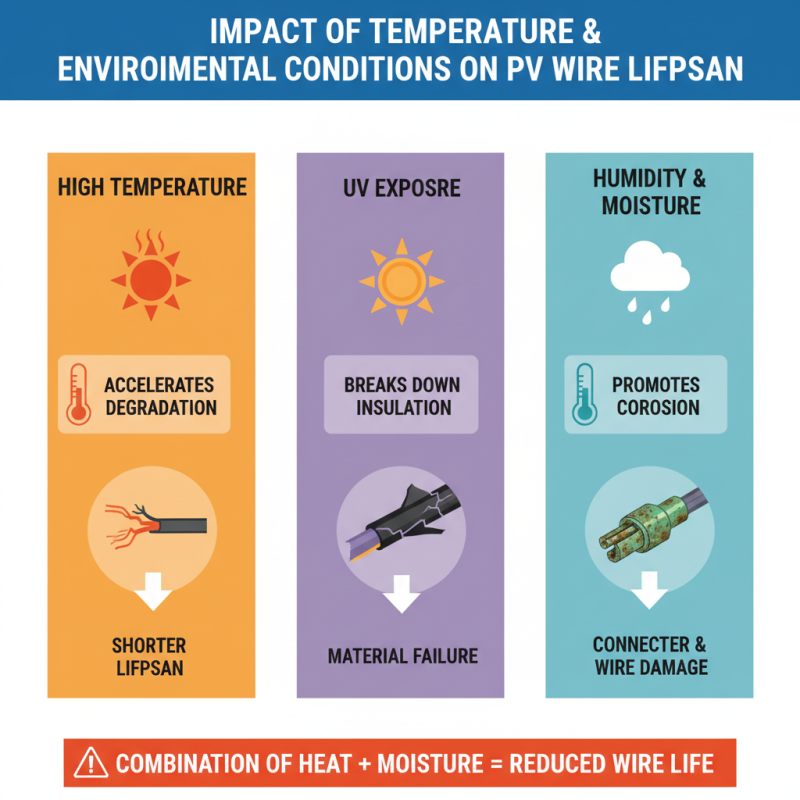
Temperature and environmental conditions significantly affect the lifespan of photovoltaic (PV) wires. High temperatures can accelerate degradation. UV exposure breaks down insulation materials, leading to failures. Humidity also plays a role. Wet conditions can promote corrosion, especially in metal connectors. The combination of heat and moisture shortens wire life.
In areas with extreme weather, PV wires face additional challenges. Snow and ice can physically damage wires. Wind can create stress points. These factors can lead to unexpected failures. It is crucial to assess local conditions when installing solar systems. Many installations overlook this aspect, resulting in reduced efficiency.
Routine maintenance and inspections are essential. Checking wires for signs of wear can prevent larger issues. However, some installers may underestimate this step. Ignoring environmental impacts can be costly in the long run. Understanding these elements can enhance performance and longevity. Adapting to local conditions requires careful planning and foresight.
Current Industry Standards and Regulations for PV Wire in Solar Energy
The performance of PV wire is critical in solar energy applications. Current industry standards highlight the significance of using materials that can withstand high temperatures and exposure to UV light. A report from the National Renewable Energy Laboratory (NREL) reveals that up to 70% of wiring failures can be traced back to insufficient insulation and material quality. This emphasizes the necessity for compliance with established standards, such as UL 4703 and IEC 62930.
In addition, regulations surrounding PV wire are evolving. The latest updates focus on improving fire resistance and environmental impact. According to industry data, more than 10% of solar panel systems experience wiring-related issues within their first five years. This raises concerns about the longevity and reliability of solar installations. Manufacturers and installers must adapt to these changing requirements.
While stringent regulations exist, some companies still cut corners. It's not uncommon to find non-compliant materials used, leading to potential hazards. Industry stakeholders must prioritize safety and durability in their wire selection processes. Improving these practices is vital for the solar industry's reputation and on-going success.