What is Hydraulic Quick Hitch and How Does It Work?
The Hydraulic Quick Hitch is an innovative attachment system widely used in construction and landscaping. It allows operators to change buckets and other tools quickly. This versatility enhances efficiency on job sites. With the right hydraulic quick hitch, operators can switch attachments in seconds, reducing downtime.
Understanding how a hydraulic quick hitch works is essential for maximizing productivity. It utilizes hydraulic power to engage and disengage attachments, streamlining the workflow. Operators need to ensure the hitch is compatible with their equipment. Proper maintenance can prevent costly malfunctions, highlighting the importance of regular checks.
Despite its benefits, some operators may struggle with setup and operation. It requires a certain level of experience and knowledge. Misalignments can lead to safety issues. Hence, training is crucial for effective use. Professionals should share insights on improving operational understanding and efficiency with a hydraulic quick hitch.
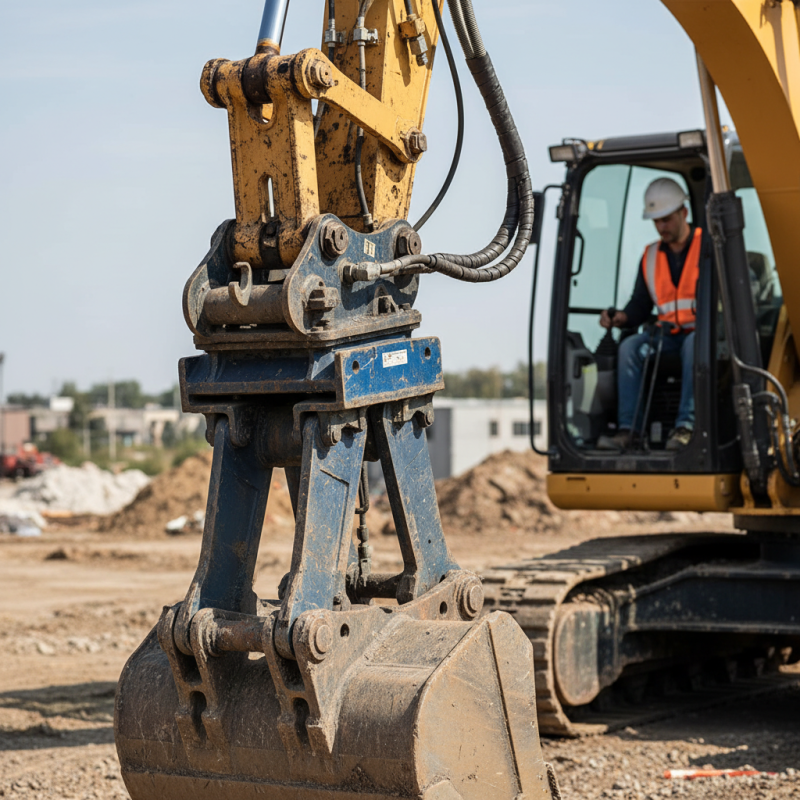
What is Hydraulic Quick Hitch?
A hydraulic quick hitch is an essential attachment used in construction and excavation. It enables operators to easily switch between different attachments without leaving the cab. This convenience boosts productivity and reduces downtime on the job site. Designed for various machinery, such as excavators, it streamlines the process of swapping buckets, rakes, or other tools.
The mechanism of a hydraulic quick hitch is fascinating. It relies on hydraulic force to lock and unlock attachments. When the operator activates the system, hydraulic fluid flows into cylinders, moving the locking pins. This ensures a secure attachment every time. However, there are challenges to consider. Misalignment can occur, causing delays. Regular maintenance is crucial to prevent hydraulic leaks or malfunctions. Operators must also ensure they use compatible attachments to avoid problems.
Despite its efficiency, some operators may face a learning curve. Understanding the hydraulic system and attachment compatibility requires experience and knowledge. The advantages are clear, but operators must remain vigilant. Paying attention to hydraulic fluid levels and conducting routine checks can enhance performance. Adapting to new technology is always a journey, filled with learning and occasional setbacks.
The Components of a Hydraulic Quick Hitch
A hydraulic quick hitch is a powerful tool in heavy machinery. Its primary role is to facilitate the rapid attachment and detachment of various implements, such as buckets or grapples. The efficiency of this system lies in its essential components.
The core components include hydraulic cylinders, attachment pins, and the hitch plate itself. Hydraulic cylinders generate the force required to engage and release attachments smoothly. They allow operators to make adjustments from the cab, reducing the time needed for manual changes. The attachment pins secure the implements, ensuring they remain in place during operation. The hitch plate connects to the excavator or backhoe's arm, often constructed from durable materials to withstand considerable stress.
While hydraulic quick hitches improve efficiency, they also require careful maintenance. Issues can arise from wear and tear over time. Operators should regularly inspect the components for signs of fatigue or damage. Ensuring proper lubrication and addressing any irregularities will preserve function. Though these devices make tasks easier, a malfunction can lead to accidents or equipment failure. Therefore, understanding each component and its role is crucial for safe operation.
How Hydraulic Quick Hitches Operate
Hydraulic quick hitches are essential in modern machinery. They enhance efficiency by allowing operators to switch attachments quickly. This streamlining saves time and labor costs on various construction sites. The design primarily aims to facilitate seamless connection and disconnection without extensive manual effort.
The operation of hydraulic quick hitches relies on hydraulic principles. Upon activating the hydraulic system, fluids flow to the hitch mechanism. This process engages latches that secure the attachment. As the system operates, it allows for smooth transitions between different tools, like buckets or forks. Operators can easily manage the flow of hydraulic fluid for effective connection.
However, the mechanism needs proper maintenance to function safely. Regular checks should be performed to ensure no hydraulic leaks occur. Additionally, operators must train adequately to handle the equipment. Neglecting these aspects can lead to operational failures or even safety risks. Awareness of these details is crucial for maximizing the benefits of a hydraulic quick hitch.
Advantages of Using Hydraulic Quick Hitches
Hydraulic quick hitches have transformed the construction industry. These devices allow for swift attachment changes between various tools. This functionality boosts efficiency on job sites. Operators can switch tools without leaving their seats. This speeds up operations and increases productivity significantly.
One of the main advantages of hydraulic quick hitches is safety. Traditional manual hitches require operators to exit the cab. This can expose workers to potential hazards. In contrast, hydraulic systems minimize this risk. Operators remain safely inside while changing attachments. This innovation protects both the workers and the equipment.
However, the complexity of hydraulic quick hitches can lead to concerns. Regular maintenance is essential to avoid malfunctions. Issues may arise from wear and tear, requiring inspections. Operators must also be trained to use them correctly. Misuse can lead to damage or accidents. A balance between efficiency and safety is key.
Applications of Hydraulic Quick Hitches in Construction
Hydraulic quick hitches have become essential in construction projects. Their efficiency streamlines many processes, enhancing productivity. According to industry reports, about 30% of operator time can be saved using hydraulic quick hitches. This increase in efficiency allows for a smoother workflow, which is crucial on busy job sites.
In construction, the applications of hydraulic quick hitches are numerous. They enable fast attachment changes between various tools, such as buckets and breakers. This versatility is vital when dealing with different materials and tasks. The ability to switch tools quickly helps reduce downtime and maintain progress on tight schedules. Studies indicate that proper use of quick hitches can lead to a 20% increase in project completion rates. However, operators must ensure proper rigging and safety checks. Improper use could lead to accidents or equipment damage, reflecting the importance of training and adherence to safety protocols.
Furthermore, hydraulic quick hitches can adapt to various machinery types, making them valuable across different projects. Their impact reaches beyond efficiency, contributing to reduced labor costs and enhanced safety measures. Yet, challenges remain; not all quick hitches are compatible with every attachment. This limitation requires ongoing evaluation and potential investment in compatible equipment, which can affect project budgets.
What is Hydraulic Quick Hitch and How Does It Work? - Applications of Hydraulic Quick Hitches in Construction
| Dimension | Value |
| Weight Capacity | Up to 10 tons |
| Hydraulic Pressure | 2000 psi |
| Operating Temperature Range | -20°C to 60°C |
| Cycle Time | 5-10 seconds |
| Common Applications | Excavators, Loaders, Demolition |
| Material Compatibility | Steel, Aluminum, Composite Materials |
| Safety Features | Automatic Locking Mechanism, Safety Valves |