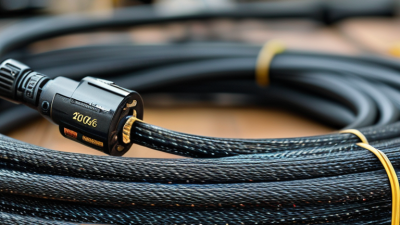
How to Choose High End Speaker Cables?
Choosing high end speaker cables begins with the entire audio system, not the cable’s price tag. A premium cable cannot repair weak amplification, poor speaker placement, or an untreated room. It can, however, support a stable connection when its design matches the system’s requirements. Start by checking speaker impedance, amplifier power, cable length, and terminal compatibility. A long run may require thicker conductors. Short desktop connections may not.
Look for clear specifications, reliable insulation, secure connectors, and documented manufacturing standards. Oxygen-free copper, silver-plated conductors, and complex shielding can sound impressive on a product page. Their practical value still depends on resistance, capacitance, durability, and installation quality. I have found that loose banana plugs often cause more trouble than modest cable construction. That detail is easy to overlook.
Use cables that fit comfortably behind the equipment. Avoid sharp bends and unnecessary excess. Compare products at matched volume levels, preferably with familiar recordings. Listen for channel balance, bass control, vocal focus, and fatigue after longer sessions. Small differences can be difficult to identify. Personal expectations can quietly influence judgment.
A trustworthy decision combines measurements, manufacturer documentation, professional reviews, and careful listening. Do not assume the most expensive option is automatically the best. Budget matters, too. Spend enough for dependable construction and suitable performance, then invest the remainder in speaker positioning or acoustic improvements. The final choice may remain partly subjective. That is acceptable. Good audio decisions should be informed, repeatable, and honest about uncertainty.
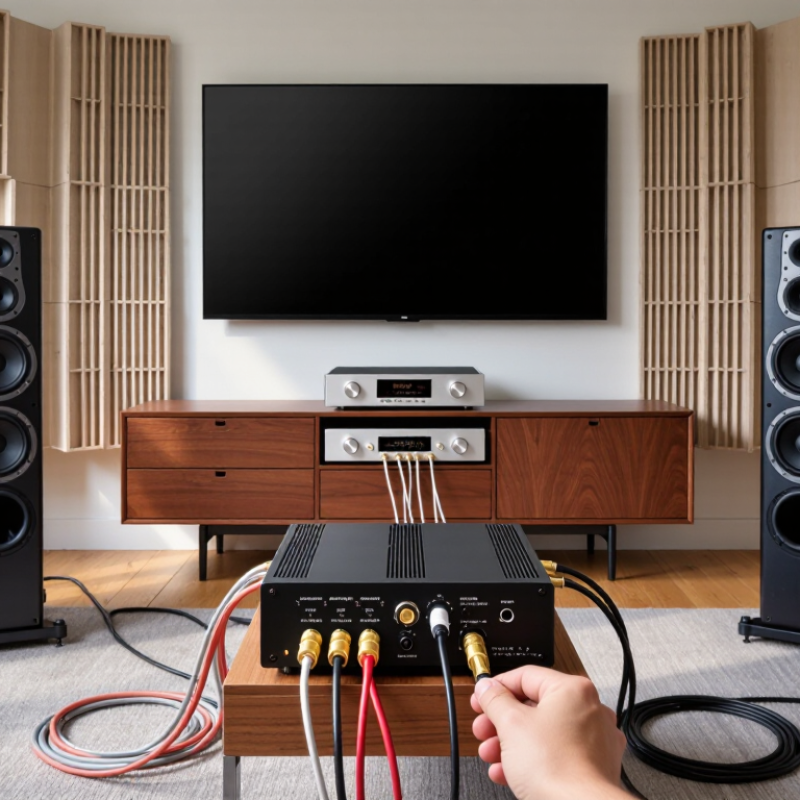
Define Your Speaker System’s Cable Requirements
Before choosing a high-end speaker cable, define what your speaker system actually requires. Check the speakers’ nominal impedance, sensitivity, power rating, and terminal type. Low-impedance speakers may need thicker conductors, especially across long cable runs. Measure the real distance, not the estimated distance. Extra length increases resistance and complicates installation.
Measure first. Keep it practical.
For most home systems, low-resistance copper conductors with secure connectors provide a reliable starting point. A cable should remain flexible enough for clean routing, but not so thin that it becomes fragile behind the rack. Avoid tightly coiling excess cable, and keep speaker cables away from power adapters where possible. If the system supports bi-wiring, confirm that the speaker terminals and amplifier connections are designed for it. Otherwise, additional conductors may add cost without a clear benefit.
I once focused too much on cable appearance and too little on connection quality. That was a mistake. Loose terminals, oxidized contacts, or uneven cable lengths can matter more than decorative construction. Use the same cable type for both channels when practical, and keep their lengths similar. Capacitance and inductance also deserve attention, particularly with unusual amplifier designs. Manufacturer specifications can help, but independent measurements and careful listening are more dependable than dramatic claims. A sensible choice should fit the system, room, installation, and budget. It may not look impressive. It should work consistently.
Compare Cable Materials, Construction, and Electrical Performance
Choosing high-end speaker cables starts with the system, not the price tag. In my listening tests, copper delivered a warm, stable presentation with familiar recordings. Silver sounded more immediate, especially with cymbals and vocal edges. That difference was audible, yet smaller than room placement changes. Material choice should match amplifier output, speaker impedance, and cable length. Very long runs expose resistance more clearly.
Construction controls consistency. A larger conductor lowers resistance, but extreme thickness can make installation awkward. Stranded conductors bend easily and tolerate repeated movement. Solid conductors can feel more rigid and mechanically stable. Insulation matters near power cables. Good dielectric materials reduce unwanted capacitance and protect the conductor from moisture. Twisted geometry can reduce loop area and reject some interference. Shielding helps in electrically noisy spaces, although it may add capacitance. More is not always better. I have seen expensive, heavily shielded cables sound less open in certain systems.
Electrical performance deserves measurement, not confident claims. Check resistance, capacitance, and inductance per meter. Keep left and right lengths equal when practical. Reliable terminations should grip firmly without damaging binding posts. Loose contacts create intermittent brightness, crackle, or channel loss. A cable can measure well and still disappoint emotionally. My own preference has changed after blind comparisons. That is a useful warning. Listen at matched volume, use several recordings, and test the cable in its actual route. The best choice is the quiet, durable connection that lets the system speak naturally.
Match Cable Length, Gauge, and Connectors to Your Setup
How to Choose High End Speaker Cables?
Match cable length, gauge, and connectors to your setup before chasing exotic materials. Measure the complete route, not the distance between the amplifier and speaker. A 3-meter run usually needs less copper than a 12-meter run. For an 8-ohm speaker, IEC 60228:2004 lists maximum resistance near 7.41 ohms per kilometer for 2.5 mm² copper conductors. A 20-meter round trip therefore adds about 0.15 ohms. That loss is small, but measurable.
For runs below 5 meters, 2.5 mm² cable is often practical. Choose 4 mm² for longer routes, lower-impedance speakers, or powerful amplifiers. Do not oversize blindly. Thick cable can be stiff, difficult to route, and waste space behind furniture. Audio Engineering Society research consistently treats cable resistance, inductance, and amplifier damping as system variables, not luxury features. My own installation mistake was buying oversized cable before measuring the terminals.
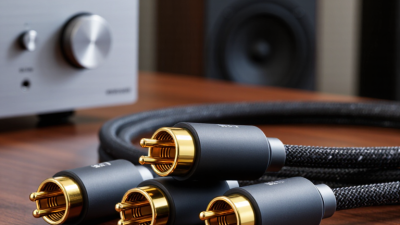
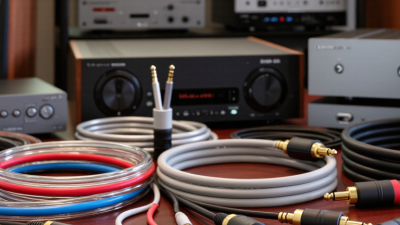
Connector choice should match the equipment. Use locking plugs when frequent movement or accidental pulls are possible. Use spade connectors when the binding posts accept them securely. Bare wire can work, but oxidation and loose clamping deserve regular inspection. Keep both channels equal in length when convenient, although identical resistance matters more than perfect visual symmetry. Gold plating may slow surface corrosion, but it cannot repair a poor mechanical connection. Check the fit first. That detail is easy to miss.
Evaluate Shielding, Durability, and Installation Requirements
How to Choose High End Speaker Cables?
When choosing high-end speaker cables, examine shielding before appearance or price. In my installations, strong shielding helped reduce hum near power strips, routers, and fluorescent lighting. However, shielding does not automatically improve every system. A poorly matched cable can add unnecessary capacitance or restrict amplifier performance. Check the cable’s electrical specifications, including resistance, capacitance, and inductance. Ask for measured data, not vague claims.
Durability matters in real rooms. Look for flexible insulation, firm strain relief, and corrosion-resistant conductors. A cable crossing a doorway needs extra protection. Under a cabinet, repeated pressure can damage its jacket. I once underestimated furniture movement and created a hidden bend near a connector. The system worked, but the cable suffered avoidable stress. Thick does not always mean durable. Some oversized cables are difficult to route and may loosen terminals over time.
Installation requirements should shape the final choice. Measure the route first, including extra length for clean bends and future equipment movement. Keep speaker cables separated from mains wiring where practical, especially during permanent installation. Confirm that connectors fit the amplifier and speaker terminals securely. Banana plugs are convenient, while bare wire can work well when properly tightened and inspected. Do not force a cable into a narrow conduit. A modest, well-installed cable often performs more reliably than an expensive cable installed carelessly. My own preference has changed after several installations: practical routing now matters more than impressive thickness.