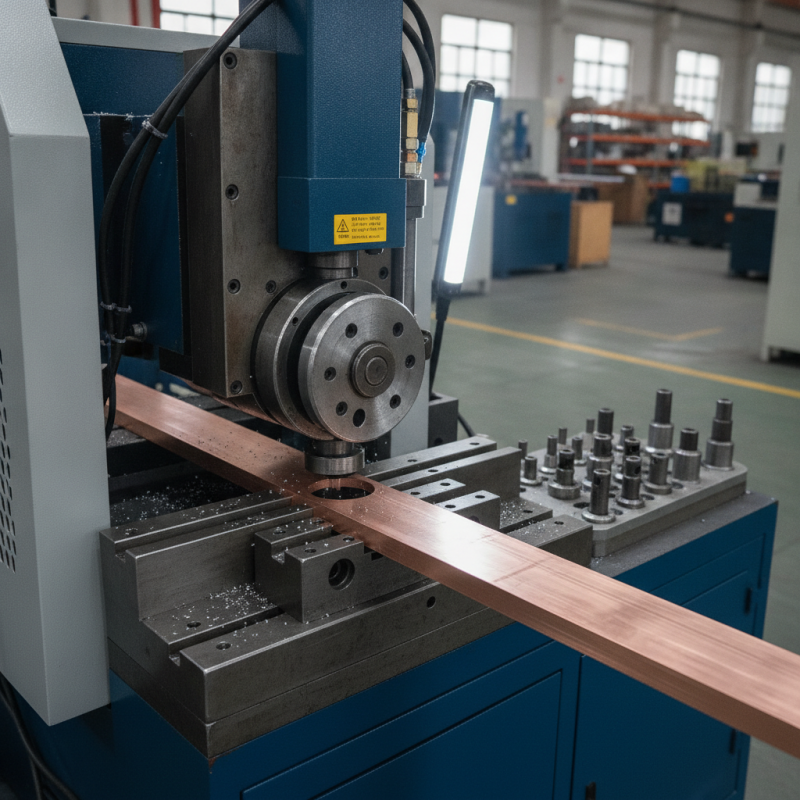
2026 How to Choose the Best Busbar Punching Machine?
Choosing the right Busbar Punching Machine is critical for any manufacturing process. A good machine can enhance productivity and reduce costs. It is essential to understand the features and specifications that matter most.
When selecting a Busbar Punching Machine, consider its power, speed, and precision. Quality machinery ensures better results. Look for machines from reputable brands that offer reliable support.
It's important to remember that not every machine fits every need. Some may lack essential features. Investing in the wrong equipment can lead to inefficiencies. Take time to assess your specific requirements before making a purchase.
Understanding the Purpose and Functionality of Busbar Punching Machines
Busbar punching machines play a crucial role in the electrical industry. They are designed to create precise holes in busbars made of copper or aluminum. This process ensures efficient electrical connections and enhances the overall functionality of electric systems. Understanding the machine's purpose is essential for professionals in manufacturing and installation.
The functionality of these machines is fascinating yet complex. They operate by utilizing hydraulic or mechanical forces to punch through thick materials. Choosing the right punching machine requires considering factors such as power, speed, and accuracy. Technicians often face challenges selecting the right specifications for their specific needs. A mismatch can lead to inefficiencies or even damage to materials.
Experience shows that not all machines are created equal. Variability in machine design impacts performance significantly. It is vital to assess machine reviews and seek advice from industry experts. Relying solely on specifications can be misleading. Observing a machine's operation in practice can provide valuable insights. Understanding these nuances may help avoid costly mistakes in procurement and implementation.
Key Features to Consider When Selecting a Busbar Punching Machine
When selecting a busbar punching machine, several key features can significantly impact performance. A machine's punching force is crucial. A report by Market Research Future indicates that machines with at least 200 tons of punching force are ideal for commercial applications. This force ensures efficiency in handling thick busbars, which are essential in electrical infrastructure.
Speed and precision are also vital. High-speed punching machines can complete tasks rapidly. Some models punch at rates up to 400 holes per minute. Accuracy ensures minimal waste, which aligns with industry standards for manufacturing efficiency. In this regard, advanced CNC technologies enhance precision and reduce human error.
Moreover, ease of maintenance shouldn't be overlooked. Machines that require frequent servicing can disrupt production. Industry data shows that downtime can lead to significant losses, emphasizing the need for reliable and easy-to-maintain equipment. Lastly, consider the machine's adaptability. It should handle various busbar sizes and shapes. The ability to switch configurations without extensive downtime increases productivity, a priority in today's fast-paced manufacturing environment. Such features make the investment in a busbar punching machine worthwhile, despite potential initial costs.
Evaluating the Material and Build Quality of Busbar Punching Machines
When evaluating the material and build quality of busbar punching machines, attention to detail is crucial. The machine body should ideally be made of high-grade steel. This ensures durability and resistance to wear and tear over time. A thicker frame may offer greater stability during operation. Users often overlook the significance of the internal components. Quality gears and hydraulic systems can drastically affect performance.
Another aspect to consider is the finish. Machines with protective coatings resist rust and corrosion better. Take note of the welding quality as well; poor welds can lead to early failures. The machine's weight might also hint at its sturdiness. Heavier machines often indicate better material choices, though they might be less portable.
It's essential to reflect on the manufacturing process. Machines designed with precision engineering tend to have higher performance ratings. Customers have sometimes faced issues related to alignment and calibration. This can impact overall output precision. Investing in a machine that guarantees tight tolerances in its build can mitigate such problems. Quality checks during production can be telling.
Assessing the Efficiency and Speed of Different Models
When evaluating busbar punching machines, efficiency and speed are paramount. Various models can significantly impact production rates. A report from the International Institute of Manufacturing indicates that efficient machines can boost production speed by 20-30%. However, not all machines achieve this benchmark. Manufacturers need to assess their specific production needs and throughput demands.
Monitoring the punching speed is crucial. Many average machines operate at about 500 punches per hour. High-efficiency models can reach up to 700 punches per hour. This poses a question—are faster machines also more reliable? Some users report decreased precision with higher speeds, leading to increased waste. Finding the right balance between speed and accuracy is essential.
Energy consumption is often overlooked. A detailed analysis shows that energy-efficient models consume up to 40% less energy compared to standard models. This reduction can lead to significant cost savings over time. It's important to explore the energy requirements you are ready to accommodate. An informed choice can enhance both efficiency and sustainability in production processes.
Comparing Price and Value Across Busbar Punching Machine Brands
When selecting the best busbar punching machine, it’s crucial to assess both price and value. The market offers various options that can fit different budgets. However, the initial cost does not always reflect quality. A machine that seems cheaper may lack essential features. It's important to evaluate what you’re truly getting for your investment.
Consider the specifications of each machine. Some brands focus on speed and efficiency. Others emphasize durability and precision. Balance these aspects when making a decision. Lower-priced models may compromise on material quality. Are they built to withstand continuous use? This is an essential factor to reflect on.
Additionally, researching reviews can provide insight into user experiences. Often, firsthand accounts can reveal inefficiencies that numbers alone cannot. It’s wise to compare warranties and support services. A better warranty can indicate the manufacturer’s confidence in the machine. Always weigh the long-term value against the initial price. Quality tools can save money over time, so measure your options carefully.