What Is Garden Sun Screen Netting Used For?
Garden Sun Screen Netting is used to soften intense sunlight, reduce heat stress, and protect plants from harsh afternoon exposure. In practice, it may cover a vegetable bed, greenhouse side, patio-grown seedlings, or a row of delicate leafy crops. The mesh filters light rather than creating complete darkness. That distinction matters. Plants still need enough light for healthy growth, and the right shade level depends on the crop, season, and local climate.
Professional horticulture literature treats shade as a way to manage growing conditions, not as a guaranteed fix. FAO’s Good Agricultural Practices for Greenhouse Vegetable Crops (2013) discusses environmental control as part of crop management, while Shahak and colleagues’ 2008 Acta Horticulturae paper examines how shade nets alter light conditions in fruit production. These sources support a practical point: net color, weave, and installation can change the result. A net stretched too low may trap heat; one that is too dense can leave seedlings pale and weak. Measure the covered area, check sunlight through the day, and watch plant response after installation. Small adjustments help. Garden Sun Screen Netting can also offer partial protection from wind and some pests, but it is not a substitute for proper watering or crop-specific care. Results vary, and a shaded corner may still become surprisingly hot.
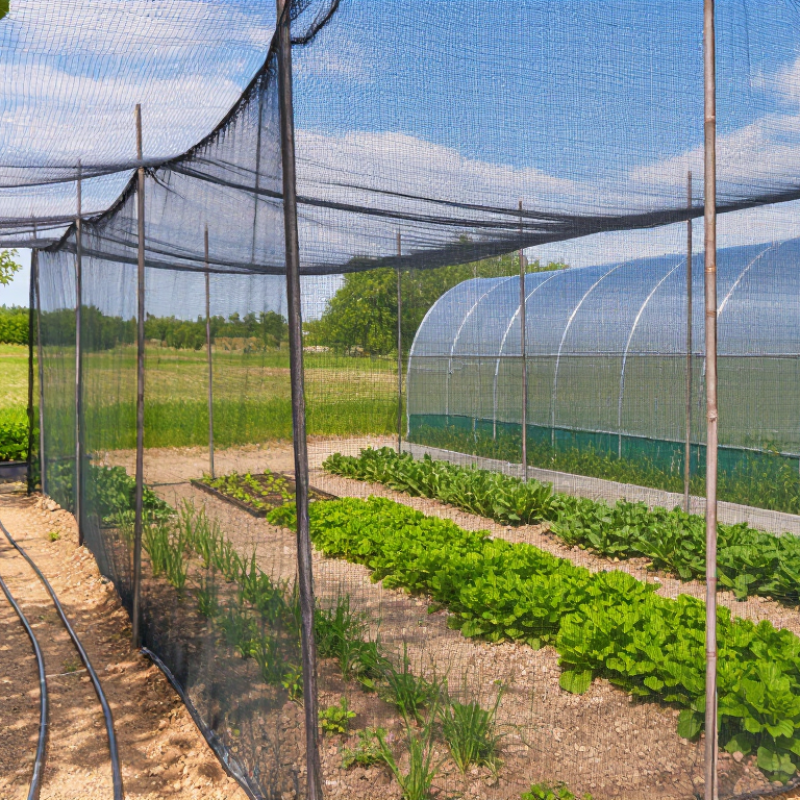
What Garden Sun Screen Netting Is and How It Works
Garden sun screen netting is a porous fabric stretched above or beside plants to limit direct sunlight. It works by intercepting part of incoming solar radiation while allowing air and some light to pass through. The University of Minnesota Extension’s guidance on shade cloth describes common ratings such as 30%, 50%, and 70%; a 50% rating indicates that the cloth is designed to block about half the light under test conditions. It does not mean the garden will become 50% cooler. Small details matter.
By softening intense midday sun, netting can reduce leaf scorch and help keep soil from drying as quickly. A loose canopy also gives air room to move, unlike a solid roof that may trap heat. The right rating depends on the crop, season, and site: seedlings and leafy greens often need more protection during hot spells than fruiting plants. Check the light at plant height, not just the label. A 2020 review in Scientia Horticulturae reports that colored shade nets can also change the light spectrum, so plants may respond differently even when shade percentages match. Results vary with net color, installation height, and wind. I would not treat one rating as a universal fix.
How It Regulates Sunlight, Heat, and Airflow
Garden sun screen netting softens direct sunlight before it reaches leaves, soil, and containers. It can reduce scorching on tender crops such as lettuce, young seedlings, and herbs during bright afternoons. The amount of shade depends on mesh density, color, angle, and installation. Check plant response, not just the label.
Netting also moderates heat by limiting solar energy reaching beds and pots. Beneath it, exposed soil and leaf surfaces may warm more slowly, helping reduce midday stress and moisture loss. It does not cool air like a fan. Air still moves. Open mesh lets some heat and humidity escape, especially when the sides remain uncovered. Leave space between the net and foliage; leaves pressed against fabric may stay damp or rub in wind. Watch the leaves.
Airflow is a tradeoff. Denser mesh blocks more light and wind, while a looser weave offers less shade but better ventilation. Secure the net above the crop and inspect it around midday and after hot days. Pale, stretched growth can signal too little light; crisp leaf edges may indicate excessive sun or heat. These signs are not definitive, so adjust the cover gradually and observe how plants respond.
Common Uses in Gardens and Greenhouses
Garden sun screen netting helps soften strong sunlight over vegetable beds, patios, and greenhouse crops. In a garden, it can reduce scorching on tender lettuce, young transplants, and seedlings during hot afternoons. A net suspended above a bed also creates a cooler place for recently potted plants to adjust. Keep it raised rather than draped directly across foliage, so leaves can breathe and rain can reach the soil. Small details matter.
In greenhouses, netting is often installed beneath the roof or along a sunny wall to reduce excess light and heat. This can help protect crops such as herbs and leafy greens, which may struggle when midday sun is intense. It can also make work inside more comfortable on bright days. Shade needs vary, though. A dense screen may leave fruiting plants short of light, and a greenhouse can still overheat without ventilation.
Choose a shade level suited to the plants and the site, then watch how the space responds over several days. Check leaf color, soil moisture, and growth; netting can slow drying, but it does not replace watering. One easy mistake is leaving a screen in place through cloudy weeks. I would not assume one setup works all season. A simple tie-on installation makes adjustment easier when the weather shifts.
How to Choose the Right Shade Level and Material
What Is Garden Sun Screen Netting Used For?
How to Choose the Right Shade Level and Material
Shade percentage describes how much sunlight the net blocks, not how cool every garden bed will feel. For tomatoes, peppers, and cucumbers, a lighter 30–40% shade net often preserves useful light. Leafy greens may benefit from 40–60% shade during intense summer heat, though climate and crop variety matter. Start with less shade where mornings are mild. Watch for bleached leaves, wilting, or slower growth. Check the label. Too much shade can reduce flowering and delay harvest.
Material matters just as much. UV-stabilized polyethylene is common because it handles sun exposure and stays relatively light. Knitted netting often allows airflow and is less likely to unravel when cut. Woven types can feel sturdier, but airflow may be lower. Compare the mesh, edge finish, and stated shade rating before buying. Secure the net above the plants, leaving room for air to move; a net resting on wet leaves can cause rubbing and keep foliage damp. Small trials help. The shade chart is only a starting point, so reassess after a hot week. It is easy to skip that check when the afternoon sun suddenly gets intense.
Basic Installation and Care Practices
Install the net above plants, not directly on their leaves. Leave an air gap of at least 30 centimetres where practical, and secure the edges to a sturdy frame. Loose corners flap in wind and can tear; I have learned that one forgotten tie often becomes the weak point. Use clips or broad ties, and avoid sharp wire touching the fabric.
Check the shade rating before buying. University of Massachusetts Extension explains that a 30% shade rating means the material screens roughly 30% of incoming light. University of Florida IFAS guidance describes 30–50% shade as a common range for many vegetable crops in hot conditions. These are starting points, not fixed rules: leafy greens may need more cover than fruiting plants. Watch midday sun and leaf response for several days.
Keep the net taut, but allow rainwater to drain rather than pool. Inspect seams, tie points, and frame joints after strong winds. Remove dust and plant debris with a soft brush or gentle hose spray; harsh scrubbing can damage the weave. Dry the net fully before storing it in a cool, shaded place. Check it again next season. Some fading is easy to miss.