What is Drop Cable and Why is it Important for Businesses?
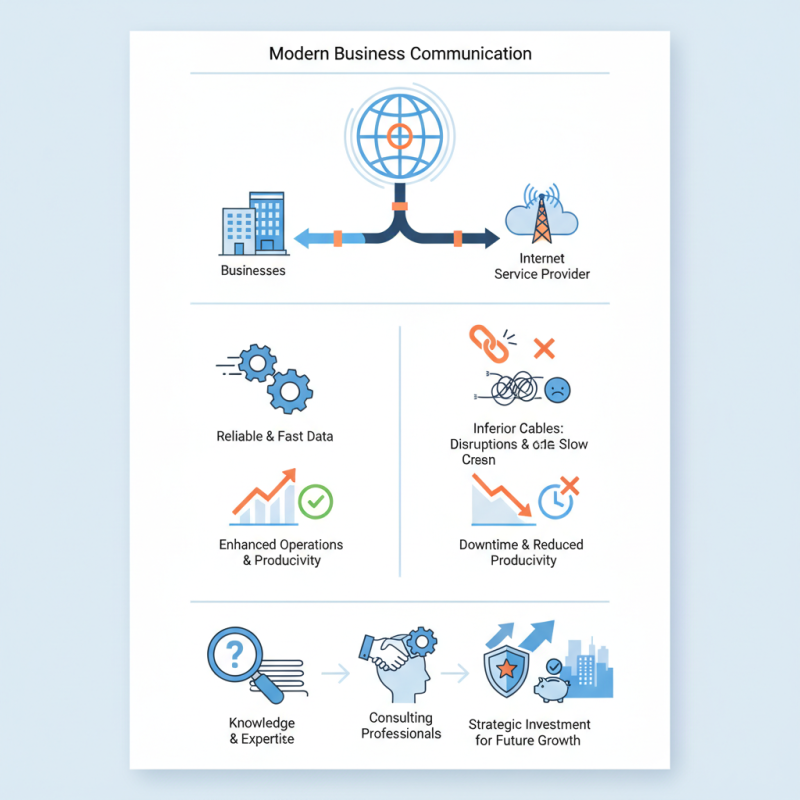
Drop Cable plays a crucial role in modern business communication. This essential component links businesses to their internet service provider. Effective communication is important for any organization's success. Drop Cable connects your network directly, ensuring reliable and fast data transmission.
In today's fast-paced digital world, businesses depend heavily on internet connectivity. The right Drop Cable can enhance a company's operations. However, not all Drop Cables are created equal. Businesses must carefully consider the type and quality of cables used. Inferior cables can cause frequent disruptions and slow connections.
Choosing the right Drop Cable requires knowledge and expertise. Businesses might struggle to select the best options. Consulting with professionals can provide clarity. Reliable Drop Cables minimize downtime and enhance productivity. Investing in high-quality Drop Cables is a strategic decision for future growth.
What is Drop Cable?
Drop cable is a crucial component of modern telecommunication systems. It connects the main fiber optic line with individual businesses and residences. Typically, drop cables are used for last-mile connectivity, ensuring high-speed internet access. According to a recent industry report from Market Research Future, the demand for fiber optic solutions is projected to grow at a CAGR of 10% through 2027. This growth highlights the increasing importance of effective drop cable systems.
The design of drop cables is specific. They are lightweight and flexible, making installation easier. These cables usually consist of several optical fibers, wrapped in a protective covering. Their resilience against environmental factors is a key feature. Specific studies indicate that drop cables can withstand harsh weather conditions, improving service reliability. However, improper installation and maintenance can lead to signal loss. Failing to address these issues may hinder performance.
Data from the Fiber Optic Association suggests that 80% of internet service disruptions are due to physical damage to drop cables. This statistic underscores the necessity for proper handling and periodic inspections. Regular maintenance checks can improve the lifespan of drop cables and help avoid costly downtimes. In summary, while drop cables are typically reliable, attention to installation and maintenance is crucial for optimal performance.
The Structure and Components of Drop Cable
Drop cable plays a crucial role in connecting businesses to essential services. Understanding its structure can help you appreciate its importance. Typically, drop cables consist of several components. These include the fiber optic or copper wires, protective jackets, and connectors.
The inner wires conduct data efficiently. Meanwhile, the protective jackets shield them from environmental damage. This durability ensures a stable connection. Installers often choose the best materials based on specific needs, which impacts performance.
Tip: Regular inspections can prevent unexpected outages. Check for wear or damage periodically.
Additionally, connectors are vital. They allow easy access to the network. Poorly connected cables can lead to slow speeds. Choosing high-quality connectors is essential; it enhances reliability.
Tip: Consider using modular connectors for easy upgrades. This flexibility can save time and cost in the long run.
Businesses should also think about future needs. Planning for growth can make wiring upgrades smoother. Avoiding tight spaces for installation can also simplify access for maintenance.
The Role of Drop Cable in Telecommunications
Drop cables play a crucial role in telecommunications, connecting service providers to end-users. These specialized cables ensure that high-speed internet and voice services reach businesses efficiently. Their compact design allows for easy installation in various environments, including offices and residential settings.
Proper installation of drop cables can enhance network performance. Here are a few tips:
- Ensure minimal bends during installation to maintain signal integrity.
- Use appropriate tools to strip and connect cables securely.
- Regular maintenance of connections can prevent unexpected outages and ensure consistent service.
However, businesses must also consider potential limitations of drop cables. Over time, wear and tear can affect performance. Environmental factors like moisture can cause degradation. Regularly inspecting drop cable installations can help identify issues early. This proactive approach reduces downtime and enhances overall reliability in telecommunications.
Benefits of Using Drop Cable for Businesses
Drop cable is crucial for businesses that depend on reliable data transmission. This type of cable is designed to connect telecommunications and broadband networks directly to the user's premises. According to a report by the Fiber Optic Association, over 80% of current internet connections rely on optical fiber technology. This shows how integral drop cables are for maintaining a high-speed internet infrastructure.
One significant benefit of using drop cables is improved bandwidth. A study by the International Telecommunication Union (ITU) reveals that businesses with fiber optic connections can experience speeds up to 1 Gbps or higher. This dramatic increase in bandwidth allows companies to handle larger quantities of data efficiently, fostering better collaboration. However, not all businesses have adopted this technology, reflecting a gap in digital infrastructure.
Another aspect to consider is maintenance and reliability. While drop cables offer superior performance, they can be vulnerable to physical damage. Regular assessments are essential to ensure optimal performance. A report from the Fiber Broadband Association indicates that businesses ignoring such evaluations can face significant downtime. This highlights the need for continuous monitoring and maintenance, contributing to overall productivity.
Key Considerations for Choosing Drop Cable Solutions
When selecting drop cable solutions for business, several critical factors require attention. The choice of drop cable impacts connectivity and overall network efficiency. Industry reports indicate that nearly 60% of businesses experience frequent connectivity issues due to subpar cabling. Therefore, understanding specific requirements is essential.
The cable's type, length, and installation environment play vital roles. For instance, indoor cables differ from outdoor cables in insulation and material. Businesses must assess whether their operations require high-speed connections or standard bandwidth. A report by the Telecommunications Industry Association emphasizes that businesses could face up to 20% loss in productivity due to inadequate cabling solutions.
Moreover, reliability cannot be overstated. High-quality drop cables ensure stable connections, which is crucial for smooth operations. Equipment failure and downtime can lead to significant financial losses. Research shows that over 30% of companies cite networking issues as a top operational challenge. Choosing the right drop cable means considering factors like network demands, environmental conditions, and future scalability. Each decision counts in building a reliable infrastructure that supports growing technological needs.
Drop Cable Usage in Various Industries