How to Choose the Right Discharge Hose Coupler?
Choosing the right Discharge Hose Coupler starts with the job, not the catalog. Identify the fluid, working pressure, temperature range, hose dimensions, and connection type. Then check how the assembly will be handled. A hose dragged across gravel needs different abrasion protection from one fixed beside a pump. Small details matter. A mismatch in thread, seal material, or coupling size can cause leaks, wear, or an unexpected shutdown.
Infrastructure data shows why dependable fluid-handling equipment matters, though it does not measure coupler demand. The U.S. Environmental Protection Agency’s 2022 Clean Watersheds Needs Survey estimated $630.1 billion in wastewater infrastructure needs over 20 years. NAHAD’s Hose Safety Institute guidance also treats the hose, fittings, and assembly practices as parts of a complete system. Use those sources as context, not as substitutes for the manufacturer’s pressure and compatibility specifications. A named expert quotation cannot be verified from the materials provided, so adding one here would risk misattribution. That is a limitation worth stating. Before choosing, compare the coupler’s material and seal with the actual fluid, confirm its rated pressure, and verify that it fits the hose and equipment. A careful check now can prevent a costly failure later.
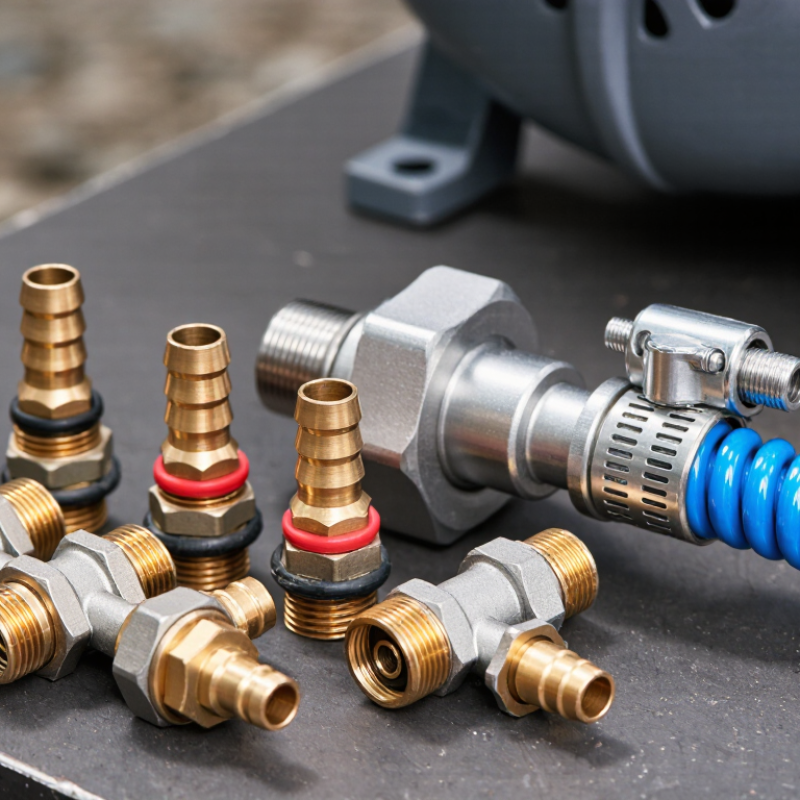
Determine the Hose’s Purpose and Operating Conditions
Start with what the hose will carry and where it will operate. Water, slurry, and mild chemicals place different demands on a coupler’s body and seal. Check the fluid’s composition, temperature, and abrasive solids. A seal that works with clean water may swell or wear quickly in another service. If the liquid is uncertain, verify compatibility with the hose and coupler supplier instead of guessing.
Record working pressure, expected surges, flow rate, and whether the line ever experiences suction. The coupler must match the hose’s actual inside diameter and pressure rating, not just its nominal size. Include pump start-ups and valve closures; brief pressure spikes can loosen connections or damage seals. Consider sun, rain, grit, vibration, and how often workers connect and disconnect the line. Wet gloves change the equation. An awkward locking method becomes more than an inconvenience on a muddy worksite. A tidy specification sheet is not the whole story: conditions can shift during a workday. Note those changes, and inspect the seals after early use. Small leaks matter.
Identify the Hose Size, Thread Type, and Connection Standard
How to Choose the Right Discharge Hose Coupler?
Start with the hose’s actual inside diameter, not just its label. A nominal 2-inch hose can vary slightly, and a coupler that is too loose may leak or slip under pressure. Measure the hose opening and check the coupler’s specified size. Then identify the connection type: threaded, cam-and-groove, or another style. For threaded ends, confirm both diameter and thread form, such as NPT, BSPP, or BSPT. Similar threads can look convincing but may not seal correctly. Do not guess. Check the equipment manual or connection markings, and compare the coupler’s pressure rating with the hose system.
Tips: Use a thread gauge when markings are unclear. Check whether the connection seals with a gasket, thread seal, or tapered fit. A quick visual check helps, but it is not enough.
Finally, match the connection standard on both sides of the assembly. A hose-end coupler and pump outlet may share a size but use different standards. Confirm the fluid compatibility and operating pressure, too. If the old fitting is available, bring it for measurement rather than relying on memory. Even experienced operators can overlook thread pitch when replacing a worn part; it is an easy detail to miss. After installation, inspect the joint during a controlled, low-pressure test for movement or leaks.
How to Choose the Right Discharge Hose Coupler?
Start by matching the coupler’s nominal size to the hose, then verify the thread type and connection standard.
How to use this chart: The bars show inch-to-millimeter conversions for common nominal hose sizes (1 in = 25.4 mm). Nominal size is not necessarily the hose’s measured inside diameter, so check the hose and coupler specifications. Also confirm the thread standard: NPT is tapered, while BSPP is parallel and BSPT is tapered. Threads and connection standards are not interchangeable just because their sizes appear similar.
Compare Coupler Materials and Connection Designs
Choosing a discharge hose coupler means matching its material and connection to the fluid, pressure, and worksite. Aluminum is light and easy to handle, but may not suit every corrosive fluid. Stainless steel resists corrosion in many applications; brass can work well with compatible water-based fluids. Polymer couplers reduce weight, though temperature and pressure limits vary. Check the manufacturer’s chemical-compatibility chart before use.
A U.S. Department of Energy pumping-system sourcebook estimates that pumping systems use nearly 20% of global electricity, with some industrial facilities spending 25–50% of their energy on pumping. That figure covers whole systems, not couplers, but it underscores why leaks and restrictions deserve attention.
Connection design matters at the hose end. Cam-and-groove couplers connect quickly, useful when crews change lines often. Threaded connections can provide a firm fit, but mismatched threads or poor sealing can cause leaks. Barbed fittings need a hose with the correct inside diameter and a properly sized clamp. Check the working-pressure rating of the complete assembly, not just the coupler. Small details count.
Tips: Match the coupler to the hose, fluid, and operating pressure. Inspect seals for cuts, and test the connection at low pressure before full flow. Recheck after temperature changes; seals can shift, and a fit that looked right may not stay right.
Inspect, Install, and Test the Selected Coupler
Before fitting a discharge hose coupler, check the hose diameter, connection type, fluid, temperature range, and working-pressure rating. The coupler and hose must be compatible; a close fit is not enough. Inspect the hose end for cracks, flattened areas, or damaged threads. Check the coupler’s sealing surface and gasket for cuts or grit. Small defects matter.
Install it with the system shut down and pressure fully relieved. Clean both connection surfaces, then seat the hose squarely so the seal does not pinch or roll. Use the specified clamp or fastener, tightening it evenly to the maker’s instructions. Over-tightening can deform parts. I have seen rushed installs miss a crooked gasket; it is an easy mistake to make.
Test the connection gradually, keeping people clear of the hose path. Watch for seepage, bulging, movement, or unusual vibration as pressure rises. Stop the flow before adjusting anything. A dry paper towel around the joint can reveal a slow leak that is hard to see. If the coupler shifts or leaks, depressurize the line and inspect the fit again. Don’t guess. Check the rating and installation guidance before putting the hose into regular service.