How to Choose the Best Spinning Machine for Your Business?
In the textile industry, selecting the right spinning machine is crucial for business success. According to recent reports from the Textile Machinery Association, the global market for spinning machines is projected to reach $5 billion by 2024. This highlights the growing demand for advanced equipment. However, many businesses struggle with the decision-making process.
Understanding the specific needs of your operation is essential. The wrong choice can lead to decreased efficiency and increased costs. Industry experts suggest assessing machine features like speed, energy consumption, and automation levels. Yet, not every option will suit every business context. Some machines may promise high output but lack reliability.
Furthermore, maintenance requirements often vary. An overlooked aspect can lead to downtime and operational issues. Consulting with experienced professionals can provide insights for informed choices. While there are many Spinning Machines available, focusing on quality and suitability will benefit your business in the long run.
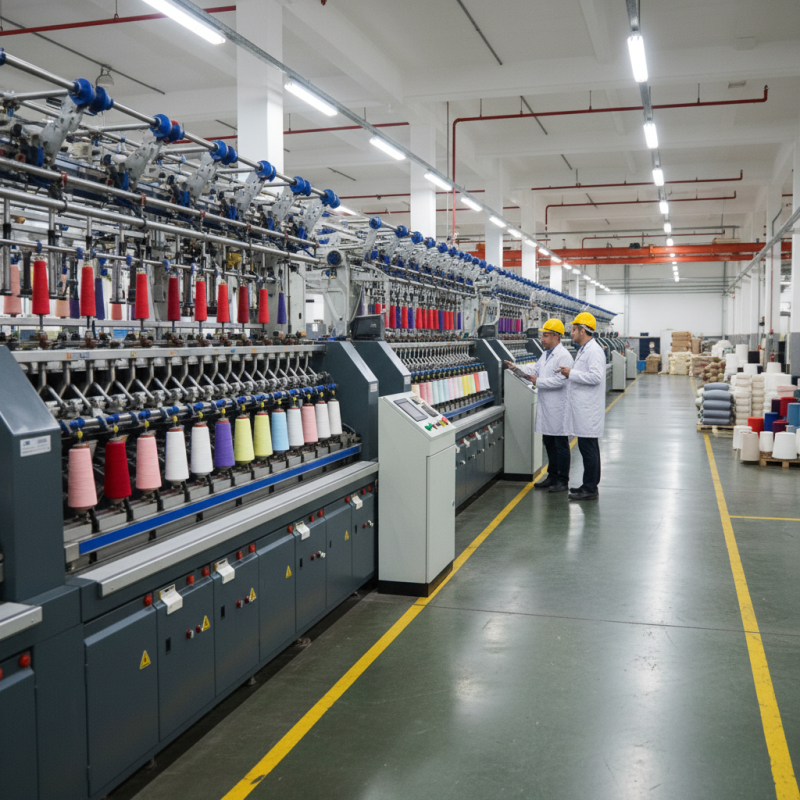
Understanding Your Business Needs for a Spinning Machine
When choosing a spinning machine, understanding your specific business needs is critical. Assess the volume of production you require daily. A machine that aligns with your production goals can significantly enhance efficiency. Each type has its strength, whether for small batches or large-scale production.
Consider the type of fibers you'll work with. Different machines accommodate various materials. For instance, a machine suitable for cotton may not be ideal for synthetic fibers. Look into the technology and features that will support your processes. Automated systems can streamline operations but may require a higher initial investment.
Evaluate your workspace and budget as well. Sometimes, the best machine may not fit your current setup. Reflect on your long-term goals too. Investing in a powerful, versatile model can pay off, but ensure it meets your immediate needs first. This approach balances growth potential with practical constraints.
Types of Spinning Machines and Their Applications
When choosing a spinning machine, understanding the types available is crucial. There are several types of spinning machines, each with unique applications. Open-end spinning machines are popular for producing yarns quickly. They work by using a rotor to spin fibers, making them suitable for bulk production. Data shows that the open-end method can increase productivity by up to 30% compared to ring spinning.
Ring spinning machines are another common type. They provide high-quality yarns with a smooth finish. Although slower than open-end machines, the ring spinning process allows for finer yarns. According to industry reports, ring spinning accounts for over 50% of all yarn production worldwide. This highlights its importance in the textile industry.
Air-jet spinning machines have gained traction in recent years. They use air jets to entangle fibers, creating yarns efficiently. While they may be less common, the demand for lightweight fabrics has made air-jet machines valuable. However, users should be aware of potential issues, like limitations in fiber types. The choice of spinning machine depends on specific production needs, operational cost, and desired yarn quality. Each type has clear advantages but also requires careful consideration of drawbacks.
Key Features to Consider When Selecting a Spinning Machine
Choosing the right spinning machine for your business involves evaluating several key features. One significant aspect is the machine's capacity. Understanding your production needs helps determine whether you require a high-capacity model or a smaller one. A machine that’s too small may slow down production, while an oversized model could waste resources.
Another critical feature is the ease of use. A user-friendly interface streamlines operation and minimizes training time. Look for machines with intuitive controls and clear displays. This can drastically reduce errors during operation. Maintenance is also crucial. Some machines require less upkeep than others. Simplified maintenance procedures save time and costs in the long run.
Efficiency rates also matter. Check the speed and power consumption. An efficient machine can enhance productivity while keeping operational costs low. A machine that consumes too much energy can eat into profits. Finally, consider the compatibility of the machine with various materials. Versatility allows businesses to adapt quickly to changing demands. Reflecting on these features will guide your decision, ensuring you choose a spinning machine that meets your specific needs.
Budgeting for Your Spinning Machine Investment
Investing in a spinning machine for your business requires careful budgeting. The initial cost can range significantly, with basic models starting at around $3,000, while advanced machines can exceed $20,000. According to industry reports, manufacturers recommend budgeting about 10% of your annual revenue for such equipment. This percentage can help cover not only the purchase but also maintenance and operational costs.
Before making a purchase, assess your production needs. A machine with higher speed and capacity may increase efficiency but also comes with a higher price tag. For instance, a machine capable of producing 1,000 pounds of yarn per hour may require a larger investment. In contrast, smaller operations might find satisfactory performance from machines producing 300 pounds per hour at a much lower cost.
It's crucial to factor in additional expenses beyond the purchase price. These can include installation, training, and ongoing maintenance. Industry statistics show that businesses often underestimate these costs, leading to financial strain later. Ensuring you have a realistic budget can provide a clearer picture of what you can afford. A well-thought-out financial plan can ultimately lead to more sustainable operations.
Maintenance and Support Options for Spinning Machines
When selecting a spinning machine for your business, maintenance and support options should be at the forefront of your considerations. Reliable maintenance boosts productivity and extends the machine's lifespan. According to industry reports, proactive maintenance can reduce machine downtime by up to 30%. This statistic underscores the importance of keeping your equipment in optimal condition.
It is crucial to evaluate the support options offered by manufacturers. Training sessions, online resources, and technical support are invaluable. Consider choosing machines that come with comprehensive service agreements. This can significantly reduce unexpected repair costs. A recent survey indicated that companies with structured support plans enjoy a 25% increase in operational efficiency.
**Tip**: Regularly schedule maintenance checks. Small issues can escalate into larger problems if left unattended.
Choosing the right maintenance partner is essential. Some manufacturers may only offer limited support. Investigate the availability of replacement parts and the expertise of the service team. A lack of support can lead to long downtimes and lost revenue.
**Tip**: Create a maintenance log. Documenting issues can help identify patterns and prevent future problems.
How to Choose the Best Spinning Machine for Your Business? - Maintenance and Support Options for Spinning Machines
| Feature | Option 1 | Option 2 | Option 3 |
| Maintenance Requirements | Monthly inspections | Quarterly maintenance | Annual checks |
| Support Availability | 24/7 hotline | Business hours support | Email support only |
| Warranty Period | 2 years | 3 years | 5 years |
| Parts Replacement Options | Next-day delivery | 3-day delivery | Standard delivery |
| Installation Support | Free on-site installation | Remote installation assistance | Installation manual only |