
Toll Free: 866.905.6744 | Local: 845.652.5250
Choosing a Custom Sewer Jetter in 2026 starts with the work it must perform. A unit for routine residential drains may not suit long municipal lines or heavy commercial use. Pipe diameter, access points, typical blockages, and daily operating hours all affect the right configuration. Small details matter. A hose that reaches the cleanout, for example, can save time when a truck cannot park close to the access point.
Compare pressure and water flow together, not as isolated specifications. The right balance helps clear grease, roots, and sediment without exceeding the limits of the pipe or equipment. Check nozzle options, hose length, pump capacity, power source, and available service support. Ask manufacturers how their stated performance was tested. A glossy specification sheet is useful, but it cannot tell you everything about real job conditions. No setup is universal.
Consider ownership costs as carefully as purchase price. Look at routine maintenance, replacement parts, warranty terms, operator controls, and whether the system fits your vehicle or worksite. Ask experienced operators about setup time, hose handling, and access to repairs. Their practical observations may reveal issues a brochure misses. Still, one contractor’s ideal configuration may be excessive for another’s workload. Be willing to revise your assumptions after comparing actual jobs with the quoted specifications. This guide explains how to assess those factors and select a Custom Sewer Jetter suited to your work in 2026.
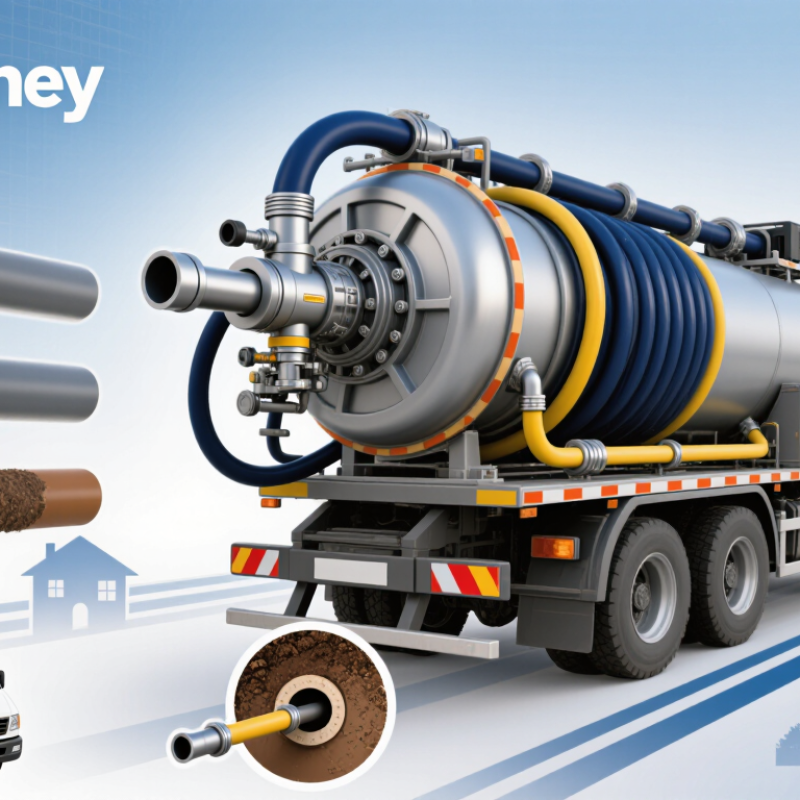
Understanding a custom sewer jetter starts with its water system. A pump sends water through a reinforced hose to a specialized nozzle. Forward jets can break through soft obstructions; rear-facing jets help propel the hose and flush loosened material back. The balance matters. A nozzle that suits a long, straight line may work poorly in a narrow pipe with tight bends.
Customization means matching pump flow, pressure, hose length, nozzle design, and vehicle access to the work. Pressure alone is not a measure of cleaning power. Flow helps carry debris away, while excessive force can threaten damaged or fragile pipe. Operators should inspect the line where possible, confirm equipment ratings, and adjust the setup to the pipe material and blockage. Small details count: a cramped access point or a heavy hose can change the whole job.
The scale of infrastructure needs gives this work context. The U.S. Environmental Protection Agency’s 2022 Clean Watersheds Needs Survey estimated $630.1 billion in wastewater infrastructure needs over 20 years. That figure covers broad system needs, not sewer jetters specifically. Still, it underlines why maintenance tools must be selected carefully.
In 2026, compare custom configurations by the pipe conditions they can handle, not just maximum pressure. And be candid about limits. No setup fits every line.
Before choosing a custom sewer jetter, define the work it will actually face. Record pipe diameters, typical run lengths, access-point locations, and the kinds of deposits encountered. Grease, silt, and tree-root intrusion can call for different nozzle designs and flow rates. A setup sized for a short indoor line may struggle on a long municipal lateral. Small details matter.
Check the job conditions, not just the pipe. Is water available at the site, and can the unit reach the cleanout without blocking traffic or work areas? Note slopes, bends, standing water, and nearby structures. Older or cracked pipes may need inspection before aggressive cleaning. More pressure is not automatically better. Match pressure and flow to pipe condition, nozzle, and hose, using manufacturer guidance and trained operators. I still find access constraints easy to underestimate.
Think about how often the equipment will run. Daily crews may value durable hose reels, serviceable components, and controls that are easy to use with gloves. Occasional users may prioritize transport and simple setup. Check hose length against real routes, leaving enough reach without excess coils. Keep a record of common job sizes and recurring failures. It may be incomplete at first, but it helps turn a custom specification into a practical one.
| Job type and conditions | Typical pipe size | Indicative operating range | Hose and access considerations | Useful custom features | Key checks before selection |
|---|---|---|---|---|---|
| Indoor branch drains Kitchen, bathroom, and small-building lines with tight access | About 1½–4 in (40–100 mm) | About 1,000–2,500 PSI and 1.5–4 GPM | Compact, flexible hose commonly around 1/8–¼ in; choose a length that reaches the line without excessive slack. | Portable frame, controlled pressure adjustment, compact reel, and a suitable indoor water supply connection | Confirm the pipe material and condition. Use a nozzle and pressure appropriate for the line; do not assume higher pressure is safer or more effective. |
| Residential sewer laterals Routine clearing of grease, sludge, and soft deposits | About 4–6 in (100–150 mm) | About 2,000–3,500 PSI and 4–8 GPM | Commonly a ¼–⅜ in hose; select length based on the cleanout location and lateral run. | Reel sized for the hose, pressure control, water-inlet filtration, and interchangeable cleaning nozzles | Check for offsets, roots, damaged joints, and standing water. A camera inspection can help identify defects before cleaning. |
| Commercial building drains Longer runs and heavier routine maintenance | About 4–8 in (100–200 mm) | About 2,500–4,000 PSI and 6–12 GPM | Typically a ⅜ in hose or another size matched to the machine and access; consider reel capacity and hose handling. | Higher water-flow capacity, a robust reel, clear pressure controls, and serviceable filters | Verify available water supply, drainage and recovery arrangements, power access, and whether the machine can maintain the required flow at the intended hose length. |
| Large mains and municipal work Large-diameter lines, long runs, and demanding deposits | About 8 in (200 mm) and larger | Often about 3,000–4,000 PSI and 10–30 GPM or more, depending on the machine and task | Larger, heavier hose and substantial reel capacity may be needed; confirm the hose, fittings, and nozzle are rated for the system. | High-flow pump configuration, heavy-duty reel, accessible maintenance points, and vehicle or trailer integration | Assess traffic control, confined-space procedures, water logistics, discharge management, and pipe structural condition. Use trained operators and site-specific procedures. |
| Root intrusion or compacted deposits Lines requiring targeted cleaning rather than routine flushing | Often 4 in (100 mm) and larger; inspect the line first where practical | Choose pressure and flow based on the pipe and obstruction; there is no single safe setting for all root or scale conditions. | Use a hose and nozzle suited to the line diameter, bends, and access point; avoid forcing equipment past an obstruction. | Pressure adjustment, nozzle options for the specific task, and compatibility with inspection equipment | Jetting may not repair broken or collapsed pipe. Inspect uncertain or recurring problems and avoid aggressive cleaning of fragile or deteriorated lines. |
| Remote or water-limited sites Jobs with limited supply or difficult vehicle access | Varies by line and task | Set the pump around the water volume the site can reliably supply; pressure alone does not determine cleaning capacity. | Plan hose length, elevation changes, transport, and safe handling before choosing a compact or vehicle-mounted setup. | Water-tank compatibility, low-water protection where available, manageable frame size, and straightforward transport | Estimate water consumption from flow rate and run time: gallons used = GPM × minutes. Confirm tank capacity, refill access, and pump requirements. |
Selection note: PSI describes pressure and GPM describes water flow; both matter, and performance at the nozzle can differ from pump ratings because of hose length, hose diameter, fittings, and nozzle choice. Treat the ranges above as planning guidance—not universal specifications—and confirm equipment ratings and pipe suitability with a qualified operator.
Comparing Key Jetter Specifications and Power Options
A sewer jetter should match the pipe, blockage, and access point—not just advertise a high pressure rating. Compare both pressure, measured in PSI, and flow, measured in GPM. Pressure helps break deposits; flow carries loosened material downstream. Pressure is not everything. A compact nozzle may clean a small lateral well, while a longer run or heavy sediment can call for more flow and hose reach. Check the machine’s rated working pressure, hose length, nozzle compatibility, and water supply requirements together.
Power choice affects where and how consistently the unit can work. Gas-powered systems offer mobility at outdoor sites, while electric models can suit locations with reliable power and ventilation constraints. Match engine or motor output to the pump’s demands, and verify duty cycle before planning repeated jobs.
The U.S. EPA’s 2022 Clean Watersheds Needs Survey estimated $630.1 billion in wastewater infrastructure needs over 20 years. That scale makes maintenance capacity worth considering, but it does not tell you which jetter fits a specific line. I would treat equipment charts as a starting point, then test flow, hose handling, and cleaning results on representative work. Real sites are rarely as tidy as specifications suggest.
For a custom sewer jetter, match the pump’s flow and pressure to the pipe size, blockage type, and hose length. A longer or narrower hose can reduce pressure at the nozzle, so check the manufacturer’s performance chart rather than relying on pump ratings alone. Choose a hose with a compatible working-pressure rating and fittings, then inspect it for cuts, bulges, or worn couplings. Small details matter. Specify a reel that feeds smoothly and controls the hose without sharp bends.
Choose nozzle openings and jet angles for the job: forward jets can help penetrate soft obstructions, while rear jets provide propulsion and wall cleaning. Avoid assuming one nozzle suits every line. Add practical safeguards, such as a pressure regulator, emergency shutoff, and clear controls that an operator can reach quickly. NIOSH Alert 86-110 reports that more than 60% of confined-space fatalities involved would-be rescuers. That finding makes a written rescue plan and atmospheric checks essential whenever entry risks exist; a jetter’s safety features cannot replace them.
Tips: Test the setup on a short, accessible run first. Record nozzle, hose, and pressure choices, but revise them when field results disagree. A tidy specification is useful; real pipes can still surprise you.
A custom sewer jetter should fit the crew’s routes, water access, and daily workload—not just a pressure rating on a sales sheet. Compare suppliers on verified flow and pressure under working conditions, hose options, winterization, operator training, and parts availability. Ask for service intervals and written warranty exclusions before requesting a price. A quick call with a current customer can reveal more than a polished specification sheet.
Maintenance changes the real purchase price. Track pump hours, nozzle wear, filter cleaning, hose inspections, and downtime; these details help estimate annual operating costs. The U.S. EPA’s 2022 Clean Watersheds Needs Survey estimated $630.1 billion in wastewater and stormwater infrastructure needs over 20 years. That figure is not a jetter-market forecast, but it signals sustained pressure on utility budgets and makes dependable equipment service especially relevant. Ask suppliers for realistic parts lead times, not best-case promises.
Build a five-year cost comparison covering purchase, fuel, routine service, repairs, and expected resale value. Use your own duty cycle where possible. A tidy spreadsheet can still mislead. Small fleets may value local service more than a lower initial bid; larger crews may prioritize standardized parts. I would also question unusually low maintenance estimates: they may omit labor or downtime. Include both, even if the numbers feel uncomfortable.
Five-year ownership cost by purchasing scenario (USD)
This planning example separates purchase price, maintenance, fuel, and downtime allowance. The figures are illustrative assumptions, not supplier quotes or market averages; replace them with written bids and your own operating estimates. Compare warranty coverage, parts availability, service response, and maintenance schedules alongside total cost.