How to Choose the Right Low Voltage Cable for Your Project?
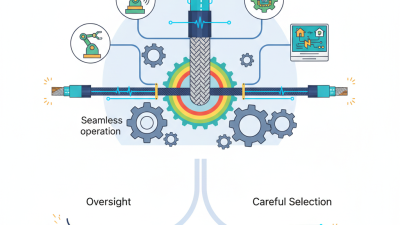
Choosing the right low voltage cable for your project is critical. Experts argue that selecting the right cable can significantly impact performance and safety. John Smith, a seasoned specialist in the low voltage cable industry, said, “Choosing the proper low voltage cable is as important as the equipment it connects.”
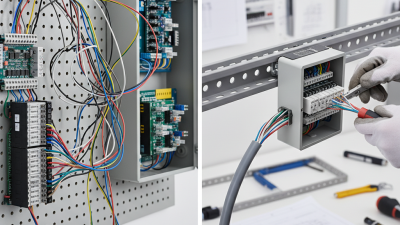
Understanding your project requirements helps narrow down your options. Different applications demand different cable types. For instance, audiovisual setups require specific cables for optimal signal quality. Weather-resistant cables are necessary for outdoor installations. It’s essential to evaluate the cable’s specifications, such as insulation materials and conductor types.
However, many overlook these details. Rushing to make a decision can lead to complications later. A wrong choice may lead to system failures or safety hazards. Reflecting on the choices is crucial before finalizing any cable type. In the world of low voltage, the right decision is fundamental for success.
Understanding Low Voltage Cable Types: Definitions and Applications
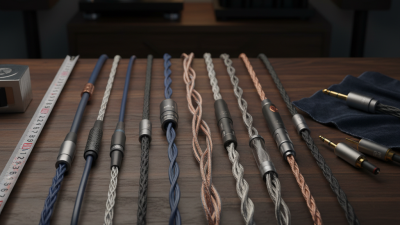
Low voltage cables are crucial for various applications. Understanding different types can help you select the right one for your project. Common types include data cables, control cables, and power cables. Each type serves a specific purpose and has its own benefits.
Data cables are ideal for communication systems.
Control cables are useful for automation and machinery.
Power cables distribute electrical energy effectively.
When choosing a low voltage cable, consider the specific requirements of your project. Pay attention to amperage, voltage ratings, and environmental factors. For outdoor use, select cables with UV resistance. Cables in wet locations should be moisture-resistant.
Tips: Always check the insulation type. The right insulation ensures safety and efficiency. Consult with industry professionals if you're unsure. Also, don’t hesitate to revisit your choices. A little reflection can lead to better decisions in the long run.
Factors to Consider When Selecting Low Voltage Cable: A Comprehensive Guide
When selecting low voltage cables, several factors play a crucial role in ensuring optimal performance and safety for your project. First, consider the cable’s insulation type. PVC, for example, is cost-effective and offers decent protection. However, thermoplastic elastomers provide greater flexibility and resilience in extreme temperatures. Reports indicate that up to 70% of cable failures arise from improper insulation choices.
Another vital factor is the cable’s ampacity, or the maximum current it can carry safely. Miscalculating this can lead to overheating. Most cables have specific ampacity ratings based on their gauge and installation conditions. A 14 AWG cable typically supports around 15 amps, but this varies with installation methods. Be cautious; using undersized cables may result in fire hazards or system failures.
Additionally, environmental conditions affect cable longevity. If cables are exposed to moisture or direct sunlight, select ones rated for such conditions. The National Electrical Code (NEC) specifies minimum standards for these scenarios, but always consult local regulations. Accurate selection prevents unforeseen issues, highlighting the importance of thorough research and knowledgeable guidance in cable selection.
Assessing Cable Specifications: Gauge, Ampacity, and Voltage Ratings
Selecting the right low voltage cable requires a deep understanding of specific cable specifications. The gauge of a cable directly affects its current carrying capacity. Thicker cables can handle more current but are less flexible. For most applications, using a cable that aligns with your project's requirements is crucial. The gauge is a common point of confusion. Always check the specifications to avoid potential problems.
Ampacity, or the maximum current the cable can safely carry, is another critical aspect. If you choose a cable with insufficient ampacity, it can overheat. This creates serious safety hazards. It's important to refer to reliable resources for ampacity ratings, as they vary by cable type and installation conditions. Consider the environment where the cable will be installed. Heat from surrounding components can change performance.
Voltage ratings also matter significantly. Low voltage systems operate safely between specified voltage limits. Exceeding these limits can lead to equipment damage or failure. Measure the voltage in your project accurately to ensure compatibility. Sometimes, errors can happen with voltage assessment. It’s essential to double-check these figures before making a decision. Clarity on these specifications will lead you closer to a successful installation.
Evaluating Environmental Conditions: Indoor vs Outdoor Cable Requirements
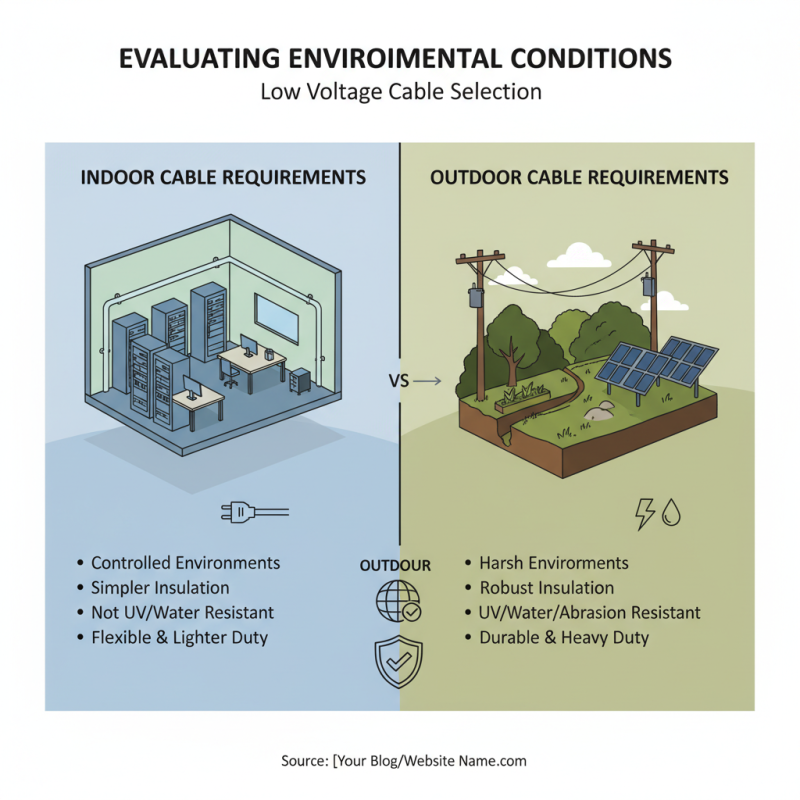
When selecting low voltage cables for your project, it's essential to consider environmental conditions. The requirements for indoor and outdoor cables differ significantly. Indoor cables typically have simpler insulation and are not durable against harsh conditions. They are designed to be used in controlled environments.
On the other hand, outdoor cables must withstand various environmental factors. They often require robust insulation to resist moisture, UV rays, and temperature fluctuations. Choosing the right outdoor cable will ensure longevity and reliability.
**Tip 1:** Always check for UV resistance if the cable is exposed to sunlight.
**Tip 2:** Assess the temperature range of the installation area. Use cables rated for extreme temperatures when necessary.
If you're uncertain about your project's specific needs, consulting with a specialist can provide clarity. Make sure to balance durability and cost when selecting your cable type. Not every cable is suitable for every application, so take the time to choose wisely.
Cost Analysis and Budgeting for Low Voltage Cable in Electrical Projects
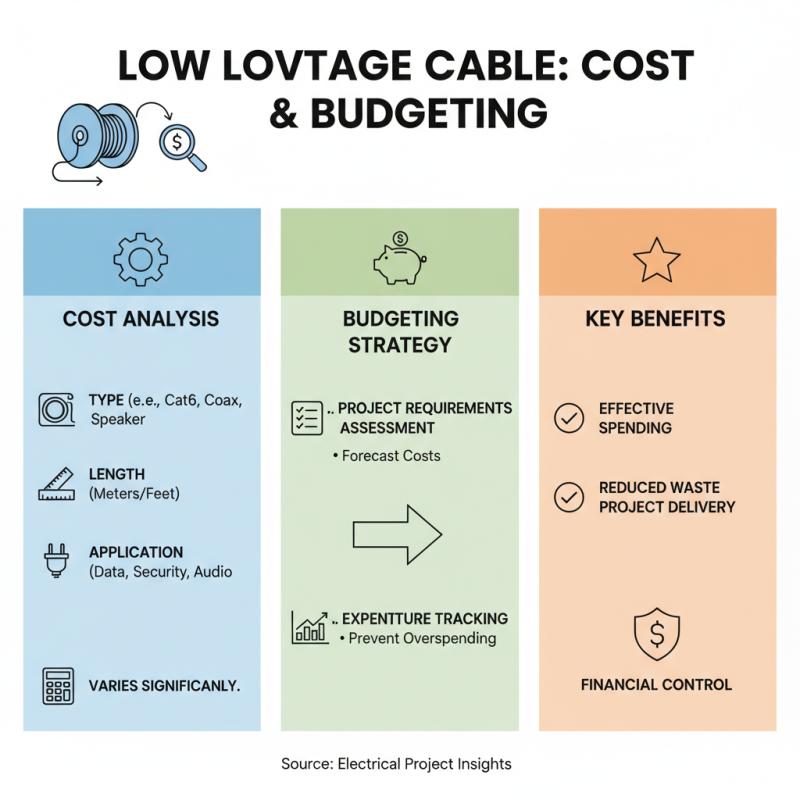
When embarking on electrical projects, budgeting for low voltage cable is crucial. The cost can vary significantly based on the type, length, and application. A well-structured budget allows for effective expenditure tracking. Proper analysis of your project requirements helps in forecasting costs, thus preventing overspending.
Tips: Start by estimating the total length of cable needed. Remember, buying in bulk may yield savings but can lead to excess if miscalculated. Also, consider potential installation costs, which can add up. Hiring experienced electricians could improve efficiency but affects the budget.
It's vital to account for unforeseen expenses. Projects may encounter unexpected challenges that lead to additional costs. Keep a contingency fund for such situations. Regularly review your budget as the project progresses. Early adjustments can save you from last-minute financial strains.
Another point to consider is the selection of cable quality. While lower-priced cables may appear appealing, durability and performance can differ. Investing in better quality might lead to fewer issues in the long run. Be mindful: cheap isn't always cost-effective.