How to Choose the Right Cat 5e Cables for Your Networking Needs?
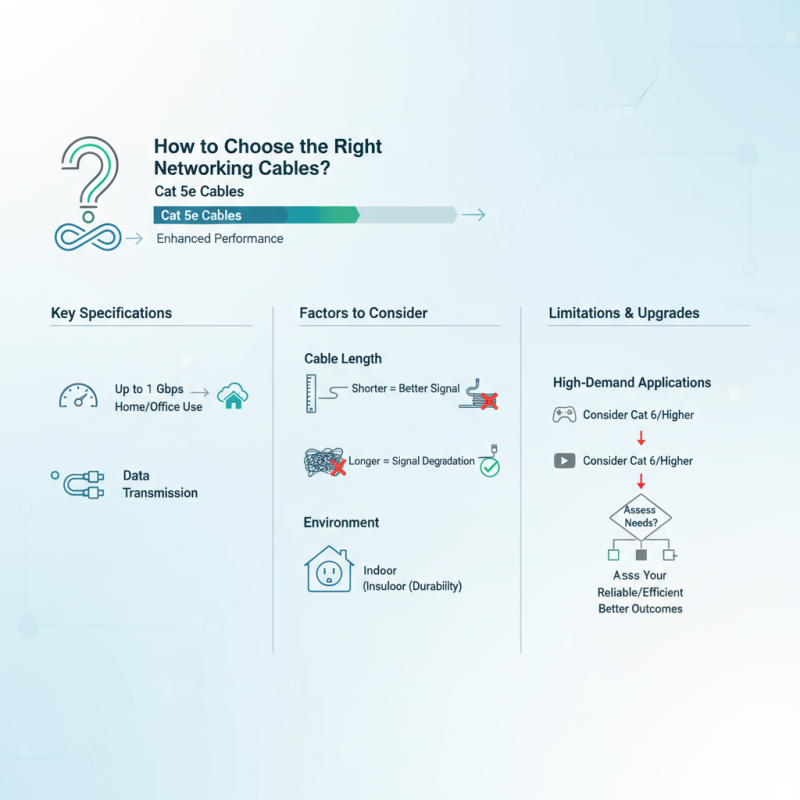
When selecting the right Cat 5e cables for your networking needs, understanding their specifications is crucial. Cat 5e cables provide enhanced performance for both home and office setups. They support data transmission speeds of up to 1 Gbps, which is suitable for most internet activities today.
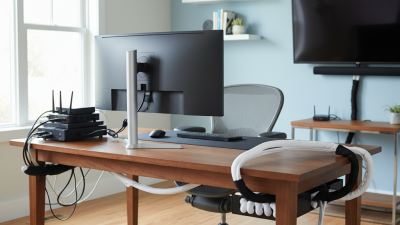
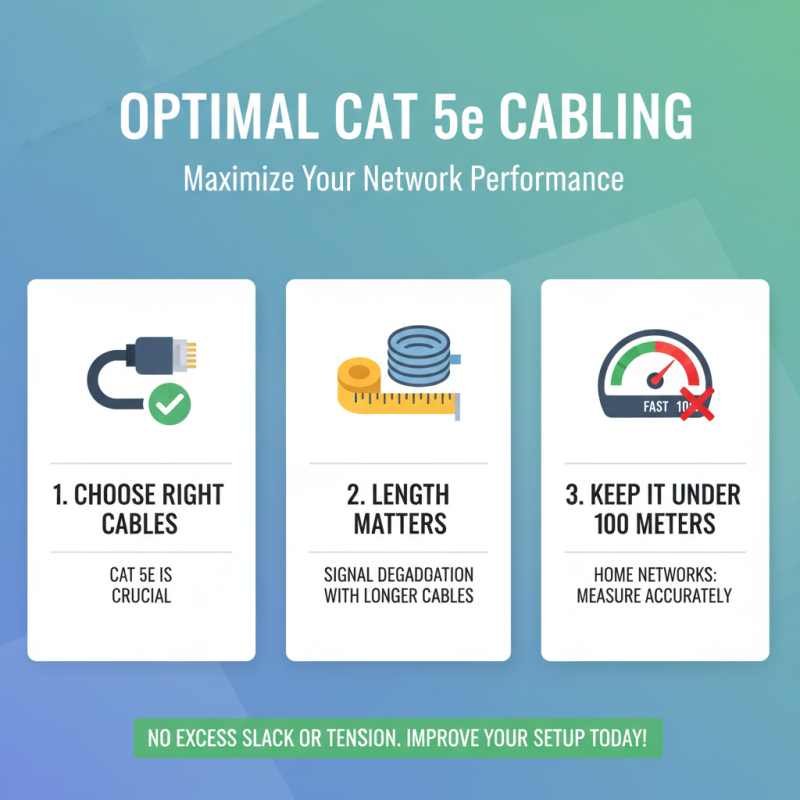
There are several factors to consider when choosing Cat 5e cables. Cable length is important; longer cables can result in signal degradation. Keeping your setup organized helps you avoid unnecessary clutter. Additionally, consider the environment where the cables will be used. Indoor cables differ from outdoor options in terms of insulation and durability.
While Cat 5e cables are widely used, it's essential to recognize their limitations. For high-demand applications, such as gaming or streaming, upgrading to Cat 6 or higher might be beneficial. Your choice should align with your specific requirements, ensuring reliable and efficient networking. Taking the time to assess your needs will lead to better outcomes.
Understanding Cat 5e Cable Specifications and Features
When selecting Cat 5e cables, understanding specifications is crucial. Cat 5e cables can support data rates up to 1 Gbps and a frequency of 100 MHz. This makes them suitable for most home and office networks. According to a report by the Fiber Optic Association, about 80% of Ethernet deployments still rely on Cat 5e due to its effectiveness and affordability.
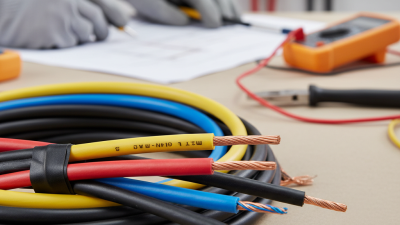
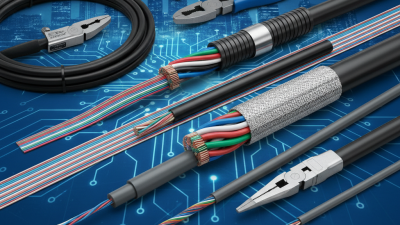
Look for cables with solid copper conductors rather than copper-clad aluminum. Solid conductors provide better performance and a more extended lifespan. Some cables feature performance for reduced crosstalk, ideal for environments with heavy network traffic. Reports indicate that cables with better shielding can reduce interference by up to 45%.
Wire gauge and length also influence performance. Thicker cables (22 AWG) often ensure better signal quality over longer distances, reducing potential data loss. However, users should remember that longer distances may require additional network equipment for optimal performance. Not all manufactures meet the same quality standards, resulting in varied reliability and performance. Be mindful of these factors when making your choice.
Identifying Your Networking Requirements and Environment
Choosing the right Cat 5e cables starts with understanding your networking environment. Are you setting up a home office or managing a larger office network? Different settings can vastly require varying cable lengths and specifications. In smaller environments, shorter cables often suffice. Longer runs may introduce signal degradation, so knowing the distance is crucial.
Consider factors such as interference from other devices. In densely packed environments, the risk of electromagnetic interference increases. This can affect data transmission and lead to slower speeds. It's worth assessing the placement of heavy-duty electronics or machinery nearby. Also, take into account the aesthetic aspect of cabling. Messy cables can be distracting and may not promote an efficient workflow.
Many individuals overlook future needs, focusing only on current requirements. Will your network expand? If so, investing in higher-quality cables despite a slightly higher cost might be wise. Networking is constantly evolving, and having reliable infrastructure is crucial. Reaching out to experts for personalized advice can be beneficial, but ensure you apply your understanding to make informed choices for your specific situation.
Comparing Cat 5e with Other Networking Cable Types
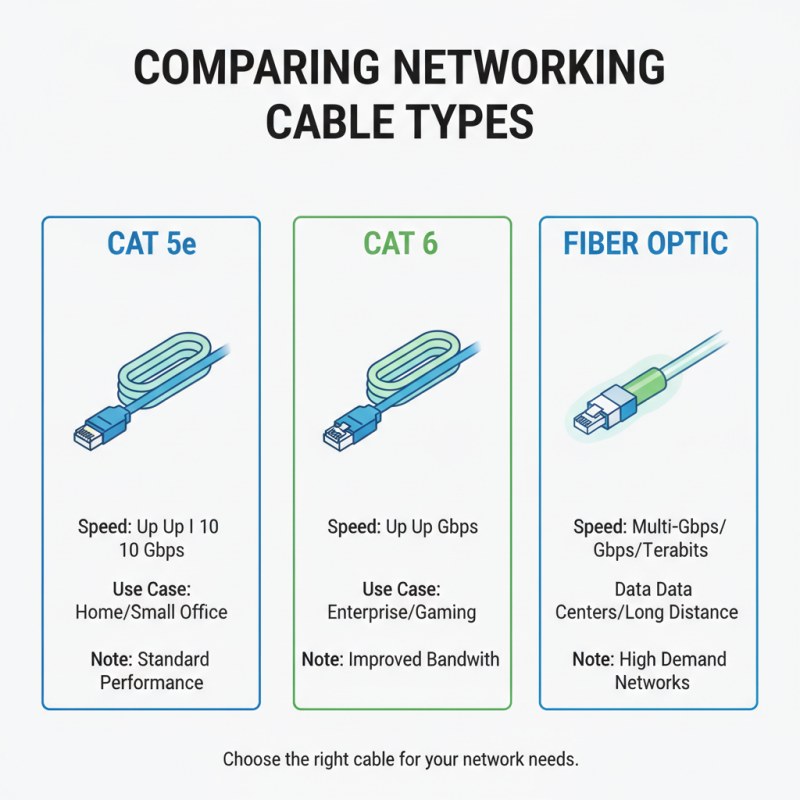
When considering networking cables, it’s crucial to compare Cat 5e with other types. Cat 5e is well-known for supporting speeds up to 1 Gbps. It’s suitable for most home and small office environments. However, it may not be ideal for very high-demand networks.
For higher speeds, Cat 6 cables offer better performance. They can handle up to 10 Gbps over short distances. If your network requires fast data transfer, Cat 6 may be the better choice. However, it is more expensive and might not be necessary for basic tasks.
**Tips:**
Consider what devices you will connect. Always think about your future needs. If you plan to upgrade soon, investing in a higher category cable now could save you money later.
Another option is Cat 6a, which provides better shielding and reduced interference. It supports longer distances at higher speeds. However, this makes it bulkier and less flexible than Cat 5e. In some tight spaces, this can be a drawback.
Carefully evaluate your current and anticipated needs before making a choice. Being mindful of your environment can point you toward the right cable.
Considering Cost and Brand Reputation in Your Purchase Decision
When selecting Cat 5e cables, cost and brand reputation play crucial roles.
Affordable options often emerge, but weighing potential compromises is vital. Quality cables can improve data speeds and reduce interference. Remember, a lower price could mean weaker materials. Always ask yourself: is the cheaper option worth the trade-off?
Brand reputation also matters. Established brands have a history of product reliability. They often provide warranties, ensuring their cables meet certain standards. However, not every lesser-known brand lacks quality. Some produce competitive cables as well. Do some research. Read customer reviews and check ratings.
Every choice comes with risks. Some budget cables can work just fine. Others may fail too quickly. Balancing cost and reputation requires careful thought. Look beyond the price tag. Consider long-term performance and reliability. Your network's efficiency depends on it.