
Toll Free: 866.905.6744 | Local: 845.652.5250

China Top 10 Butterfly Valve Manufacturers?

China’s Butterfly Valve sector includes manufacturers serving water treatment, HVAC, power, chemical processing, and general industrial projects. This guide introduces ten companies for buyers who want a clearer starting point. A useful comparison looks beyond factory size or polished catalogs. It checks valve body materials, disc and seat options, pressure and temperature ranges, operating torque, and available manual, electric, or pneumatic actuators. Small details matter. A seat that performs well in clean water may not suit abrasive or corrosive service.

The companies should be assessed using evidence buyers can verify: current product data sheets, quality certificates, test procedures, export experience, and responsive technical support. Ask how each manufacturer handles dimensional requirements, inspection records, spare parts, and customization. If possible, compare sample drawings and test documentation against the actual project specification. Claims alone are not enough. A brochure cannot show how reliably a supplier manages a difficult order or resolves a field issue.

This list is a research aid, not a universal ranking or endorsement. The best choice depends on the medium, operating conditions, budget, and required service life. Some information may change, and public profiles do not always reveal production limitations. That is worth remembering. Use the shortlist to prepare questions, then confirm details directly with each manufacturer before making a purchasing decision.
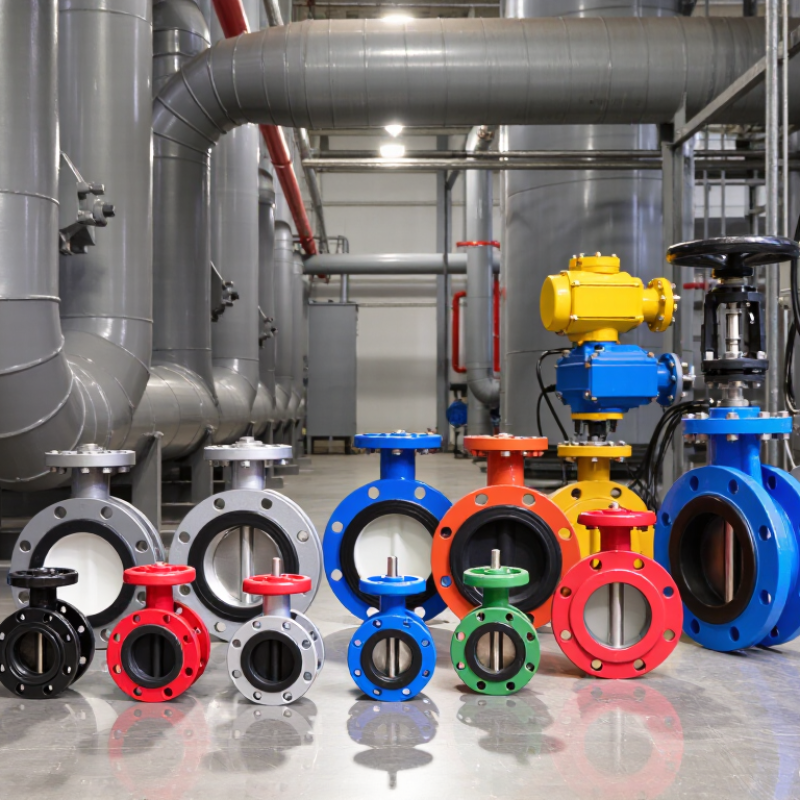
China Top 10 Butterfly Valve Manufacturers?

What Is a Butterfly Valve and How Does It Work?

What Is a Butterfly Valve and How Does It Work?

A butterfly valve controls flow with a circular disc inside a pipe. The disc connects to a stem and turns about a quarter-turn. When the disc sits across the pipe, it restricts flow; when turned parallel, it allows flow through. A hand lever or actuator moves the stem. The mechanism is compact, but the disc remains in the flow path even when fully open.

A resilient seat around the valve body helps create a seal when the disc closes. Some designs use different seat and disc materials to suit the fluid, temperature, and pressure. In practice, selecting a valve means checking more than pipe size: operating conditions and shutoff needs matter too. Butterfly valves can regulate flow, but they may not provide precise control in every installation. The details can be less simple than the quarter-turn motion suggests.

Tips: Check the flow direction and pressure rating against the manufacturer’s specifications. Before installation, inspect the pipe interior for debris that could catch the disc. Leave enough clearance for the handle or actuator to turn fully. If the valve is used for throttling, confirm that its design suits that duty; otherwise, wear or unstable flow may become an issue.

How Are China’s Leading Butterfly Valve Manufacturers Evaluated?

Evaluating China’s leading butterfly valve manufacturers requires more than comparing catalog prices. Buyers should examine engineering capability, production controls, and evidence from real applications. A polished brochure is not proof. Ask how the manufacturer selects body and disc materials for the intended fluid, pressure, and temperature. Then check whether material certificates and inspection records can be traced to the supplied valve.

Factory evaluation should cover machining accuracy, assembly procedures, and pressure testing. Look for documented test methods, calibrated instruments, and clear acceptance criteria. For larger orders, a witnessed inspection can reveal details that photographs miss: surface finish, stem movement, and how consistently valves open and close. Request drawings, dimensional reports, and relevant quality-system documents. Verify that the documents match the actual product, not just a generic sample.

Performance evidence matters too. Ask for references from comparable operating conditions, while recognizing that one successful installation cannot guarantee another. Assess response times, spare-parts availability, and the technical quality of answers to specific questions. A useful supplier explains limits as well as strengths. Price still matters, but an unusually low quotation deserves careful checking for omitted tests, materials, or service. No scorecard is perfect. Some assessments remain subjective, and buyers may overlook details under schedule pressure; recording findings and unresolved questions makes comparisons more dependable.

Who Are the Top 10 Butterfly Valve Manufacturers in China?

Who are the top 10 butterfly valve manufacturers in China? A reliable shortlist should compare more than sales claims. Look for suppliers with clear product ranges, stable production, documented material traceability, and repeatable pressure-test results. Include different designs, such as wafer, lug, and flanged valves, along with resilient-seated and high-performance models. A factory visit can reveal practical details: machining records, seat inspection, and how test results match the nameplate. No ranking is perfect.

Grand View Research estimated the global industrial valves market at USD 78.1 billion in 2023 and forecast a 4.4% compound annual growth rate from 2024 to 2030. This broad market figure does not rank Chinese butterfly valve makers, but it reflects sustained demand across industrial applications. Buyers should compare suppliers against their actual service conditions, including media, temperature, pressure, and operating cycles. A low purchase price can hide costly differences in coating quality or actuator compatibility.

Tips: Request a recent pressure-test report and confirm the tested valve matches your size, material, and pressure class. Ask for a sample drawing, too. Small details matter. Verify delivery capacity with a production schedule, not only a catalogue.

China’s Top 10 Butterfly Valve Manufacturers? Compare Pressure Ratings First

Nominal pressure class is one useful specification to compare when assessing butterfly valves. PN10, PN16, PN25, and PN40 indicate nominal pressure ratings in bar; actual allowable operating pressure depends on the valve design, materials, temperature, and applicable standard. This chart shows common rating classes, not a ranking or verified product range of manufacturers.

What Products and Industries Do These Manufacturers Serve?

Across China’s butterfly-valve manufacturing sector, product ranges commonly include concentric, double-offset, and triple-offset designs. Resilient-seated valves are often used for water and general services, while metal-seated models can suit higher temperatures. Manufacturers may also offer wafer, lug, and flanged connections for different pipeline layouts. Details matter.

These products serve municipal water networks, wastewater plants, power stations, chemical processing, and building services. In a water-treatment facility, operators may need corrosion-resistant materials and reliable shutoff around pumps. A process line handling hot fluids may call for a different seat, disc, and pressure rating. One valve type does not fit every duty.

Buyers should compare operating pressure, temperature, media compatibility, end connections, and actuator requirements—not just nominal diameter. Ask for relevant test records and clear material specifications, then verify that they match the intended service. This sounds basic, but specifications can be easy to misread when several options look similar. The right choice depends on actual site conditions, which product brochures cannot always capture.

How Can Buyers Compare Chinese Butterfly Valve Suppliers?

Buyers comparing Chinese butterfly valve suppliers should look beyond price and catalog photos. Match each quotation to the same pressure class, size, body material, disc material, seat type, and operating temperature. ISO 5208:2015 sets pressure-testing and leakage criteria for metallic valves; ask suppliers to identify the test procedure and acceptance level used. Request serial-number-linked test records, material certificates, and dimensional inspection results. Details matter. A polished certificate alone does not prove consistent production.

Factory capability needs direct checks. Ask how castings are inspected, how seat surfaces are finished, and how each production batch is sampled. The International Energy Agency’s Energy Efficiency 2023 report estimates that industry used about 37% of global final energy in 2022, underscoring why dependable flow control matters in energy-intensive plants. Still, that figure does not prove one valve design saves energy; actual performance depends on sizing and operating conditions. Compare lead times using recent shipment records, and confirm spare-seat availability, actuator support, and warranty response times in writing. If a supplier will not clarify test limits or explain a failed sample, pause the comparison. I would not treat the lowest bid as the best value without lifecycle and service evidence.