Toll Free: 866.905.6744 | Local: 845.652.5250
Choosing China’s best wire tube manufacturers requires more than comparing prices or browsing polished factory websites. Global buyers must examine material grades, dimensional control, surface finish, production capacity, and export experience. A dependable supplier should explain its process clearly, from steel or alloy selection to cutting, bending, welding, and final inspection.
Industry consultant Peter M. Klink once observed, “A reliable wire tube begins with controlled material, not attractive catalog photographs.” That principle remains practical. Ask for mill certificates, inspection records, sample reports, and close-up photographs of weld seams. Check whether the manufacturer can maintain consistent wall thickness across repeated orders. Small variations may affect assembly, load performance, or corrosion resistance.
Look beyond the factory gate. A capable Chinese manufacturer should communicate in precise technical language, confirm drawings carefully, and identify risks before production starts. ISO certification can support credibility, but it cannot replace independent verification. Product samples matter more than promises. Sometimes, buyers discover that a low quotation excludes tooling, packaging, testing, or shipping preparation.
This guide will compare leading wire tube manufacturers for international purchasing teams. It will consider equipment, customization, quality systems, lead times, minimum order quantities, and after-sales responsiveness. The ranking will not pretend to be perfect. Supplier performance can change with new equipment, management, or raw-material conditions. Therefore, buyers should conduct their own audits and request recent evidence before signing a contract. A trustworthy choice is not always the cheapest one. It is the supplier that performs consistently when specifications become difficult.
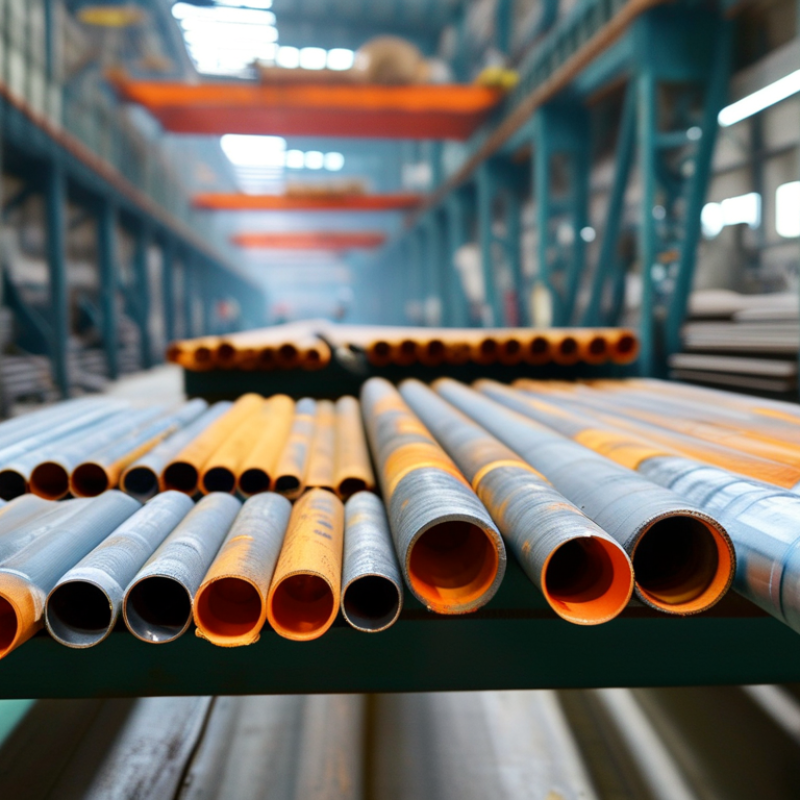
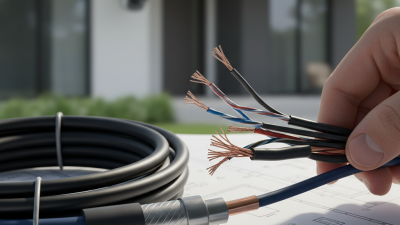
Wire tubes are protective sleeves, conduits, or formed metal tubes used to guide and shield wires. They help prevent abrasion, crushing, heat exposure, and unwanted movement inside equipment. Common materials include stainless steel, copper, aluminum, and coated steel. Each option performs differently in electrical, automotive, industrial, and construction environments.
For global buyers, wire tubes affect safety, assembly speed, and long-term maintenance. A poorly sized tube may pinch cables or create difficult bends. A weak coating can also fail in humid or chemically demanding locations. During supplier evaluations, review wall thickness, inner diameter, bending radius, surface finish, tolerances, and inspection records. Request production samples before placing large orders. This simple step often reveals rough edges, inconsistent dimensions, or weak packaging.
Tips: Match the tube to the cable bundle, temperature, moisture, and movement. Confirm drawing approval, material certificates, testing methods, and export packaging. Ask how defects are handled after delivery. Cheap pricing can hide unstable quality. However, the highest quote is not automatically the safest choice. Some specifications may be unnecessary, and buyers should question them. A careful comparison of samples, capacity, communication, and documented quality controls creates a more dependable purchasing decision. Mistakes still happen, especially when technical terms differ across countries. Clear drawings reduce that risk.
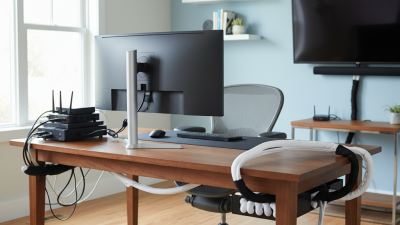
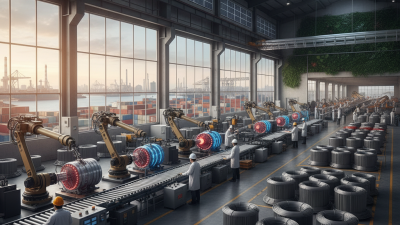
Evaluating China’s wire tube manufacturing capabilities requires more than comparing catalog prices. A serious review starts with the factory floor. Look for automated drawing lines, tube mills, annealing furnaces, straightening equipment, and clean inspection areas. Ask whether machines are maintained through documented schedules, not verbal promises. Production experience should match your application, including diameter, wall thickness, alloy, and surface finish. Request recent sample records with measured values, not only standard specifications.
Technical evidence matters. Check tensile, hardness, dimensional, flaring, and corrosion-test reports when relevant. Confirm calibration dates for micrometers, laser gauges, and testing machines. A reliable supplier should explain its sampling plan and nonconformance process clearly. Traceability should connect each coil or rod to a heat number, production date, operator, and inspection result. It sounds basic. It is often missed. Review certificates independently where possible, and compare a pre-production sample with the approved drawing.
During a video or on-site audit, watch how workers handle tubes, protect ends, and separate accepted goods. Packaging details reveal practical experience: capped openings, moisture control, firm separators, and readable labels prevent damage in transit. Ask about tooling replacement intervals, production capacity during peak months, and corrective actions after defects. I would also test communication with a small trial order. A factory may pass an audit yet respond slowly when dimensions drift. That weakness deserves attention. Leave tolerances, packaging, inspection frequency, and change approval in writing.
For global buyers, wire tube quality begins with verifiable standards, not attractive catalog photos. Check ISO 9001 certification, but confirm its scope covers drawing, annealing, coating, and final inspection. The ISO Survey 2022 recorded more than 1.26 million ISO 9001 certificates worldwide. That figure shows broad adoption, but it does not prove identical manufacturing control. Ask for the certificate number, issuing body, audit date, and factory address.
Product compliance needs closer attention. For insulated wire tubes, review applicable IEC standards, such as IEC 60227 for PVC-insulated cables or IEC 60502-1 for low-voltage power cables. Confirm voltage ratings, conductor resistance, insulation thickness, flame behavior, and temperature performance. Request recent laboratory reports, not recycled documents. For restricted substances, check RoHS test results and material declarations. The European Chemicals Agency’s 2023 enforcement project found non-compliance in 18% of inspected products across several online markets. Documentation can fail even when the metal looks perfect.
A practical audit should trace one production batch from copper or steel coils to packed cartons. Inspect diameter tolerance with calibrated micrometers. Test tensile strength and electrical resistance independently. Keep samples. Small omissions matter. I would also question certificates with vague scopes or expired surveillance audits. A factory may pass one test and still struggle with moisture, packing damage, or inconsistent labeling. Buyers should record corrective actions and repeat testing after process changes, because a certificate is evidence of a system, not a permanent promise.
The chart compares the reference years of widely used quality, environmental, occupational-safety, product, and chemical-compliance frameworks. The year identifies the named edition or legal instrument and is not a ranking of manufacturer quality.
Buyers should verify that each certificate is valid, issued by an appropriately accredited body, and covers the actual manufacturing site and product scope. For wire tubes, also request material certificates, dimensional inspection reports, pressure or leak-test records where applicable, and confirmation of the latest customer or regional requirements.
For global buyers, comparing wire tube manufacturers requires more than checking the lowest quotation. Material selection affects strength, corrosion resistance, weight, and long-term cost. Carbon steel suits many structural applications, while stainless steel performs better in humid or chemically exposed environments. The International Aluminium Institute reported global primary aluminium production of about 70.6 million tonnes in 2023, showing its strong supply base, but aluminium tubing may still cost more per kilogram than carbon steel.
Specifications should be written as measurable requirements. Confirm outside diameter, wall thickness, length tolerance, straightness, surface finish, weld quality, and coating weight. A practical request should include sample inspection records and a small trial order. The World Steel Association recorded 1,888.2 million tonnes of crude steel production worldwide in 2023. This figure shows broad raw-material availability, not equal manufacturing quality. That difference matters.
Price comparisons should separate material, tooling, processing, packaging, inspection, and freight. Ask whether the quote uses actual or estimated steel-index pricing. Production capacity also needs evidence. Request monthly output by tube size, available production lines, average utilization, and recent lead times. A claimed annual capacity can be theoretical. I have seen impressive figures hide limited capacity for thin-wall products. Capacity is not the same as suitable capacity. Buyers should compare defect rates, on-time delivery, and corrective-action records, even when those details make the comparison less comfortable.
| Supplier Profile | Typical Product | Common Material Grades | Tube Outside Diameter | Wire Diameter | Typical Tensile Strength | Surface / Coating Options | Dimensional Tolerance | Indicative FOB Price | Typical Monthly Capacity | Typical Lead Time | Best Fit for Buyers |
|---|---|---|---|---|---|---|---|---|---|---|---|
| Profile A: Standard Carbon Steel Producer | Welded wire tube and wire mesh tube | Low-carbon steel, equivalent to Q195–Q235 | 10–100 mm | 1.5–6.0 mm | 350–550 MPa | Black, oiled, electro-galvanized, or hot-dip galvanized | ±0.30 mm for tube diameter | US$650–1,050 per metric ton | 300–700 metric tons | 20–35 days | General industrial use, fencing, racks, cages, and standard fabrication |
| Profile B: High-Strength Welded Tube Producer | Structural welded tube and reinforced wire tube | Q345-class low-alloy steel or equivalent | 20–150 mm | 2.0–8.0 mm | 470–630 MPa | Pickled and oiled, galvanized, or powder-coated | ±0.25 mm for tube diameter | US$780–1,250 per metric ton | 500–1,200 metric tons | 25–40 days | Load-bearing frames, agricultural structures, transport equipment, and construction components |
| Profile C: Stainless Steel Tube Producer | Welded stainless wire tube and precision tube | 304/304L or 316/316L stainless steel | 6–114 mm | 0.8–5.0 mm | 515–620 MPa, depending on grade and condition | Mill finish, brushed, polished, or passivated | ±0.15 mm for tube diameter | US$2,400–4,800 per metric ton | 100–350 metric tons | 30–50 days | Food processing, chemical equipment, architectural work, and corrosive environments |
| Profile D: Galvanized Wire Tube Specialist | Galvanized welded tube and protective wire tube | Low-carbon steel with zinc coating | 12–120 mm | 1.8–6.5 mm | 350–550 MPa | Electro-galvanized: 8–25 μm; hot-dip galvanized: 40–120 μm | ±0.30 mm for tube diameter | US$850–1,400 per metric ton | 250–600 metric tons | 25–45 days | Outdoor applications requiring improved corrosion resistance and longer service life |
| Profile E: Precision and Custom Fabricator | Cut-to-length, formed, perforated, or assembled wire tube | Carbon steel, stainless steel, aluminum, or galvanized steel | 5–80 mm | 0.6–4.0 mm | 300–700 MPa, depending on material | Polished, powder-coated, plated, painted, or customer-specified | ±0.10–0.20 mm for tube diameter | US$1,100–3,800 per metric ton | 50–200 metric tons | 35–60 days | Small batches, OEM projects, complex profiles, and high-precision assemblies |
| Profile F: High-Volume Export Producer | Standard welded tube and continuous production wire tube | Q195–Q235 carbon steel; galvanized steel options | 15–200 mm | 2.0–10.0 mm | 350–600 MPa | Black, galvanized, painted, or powder-coated | ±0.40 mm for tube diameter | US$620–1,000 per metric ton | 1,000–3,000 metric tons | 20–40 days | Large infrastructure orders, distributors, stock programs, and repeat container shipments |
| Comparison basis: Prices are indicative FOB China ranges for standard export quantities and may change with steel costs, order volume, coating thickness, tooling, packaging, inspection, and destination requirements. Capacity figures represent typical finished-goods output per month rather than guaranteed available capacity. Confirm material certificates, coating test results, dimensional inspection reports, MOQ, packaging, and delivery terms before placing an order. | |||||||||||
Ordering wire tubes from China starts with a precise specification. State the material grade, outer diameter, wall thickness, length, tolerance, surface finish, and intended application. Photos help, but drawings prevent costly assumptions. Request samples before mass production. A sample is not proof of every batch. It is a checkpoint.
Ask the factory for production capacity, inspection methods, and recent quality records. Verify business details through official registration and independent audits when possible. Discuss tooling charges and minimum order quantities in writing. Clarify who owns custom tooling. Payment terms deserve equal attention. A low deposit may not mean lower risk.
Shipping decisions shape the final cost. Confirm the Incoterm, port, carton dimensions, gross weight, and estimated sailing schedule. Packaging should protect tube ends from dents and moisture. For long products, reinforced corners and internal supports matter. They add cost. They can prevent claims. Request commercial invoices, packing lists, certificates of origin, and documents required by the destination country. Customs rules differ, so confirm requirements with a qualified broker. Before loading, use an independent inspection for dimensions, quantity, finish, and packaging. Keep approved samples and signed specifications. Delays can happen during holidays, port congestion, or material shortages. Build a realistic buffer. Buyers often focus on unit price and overlook freight, duties, storage, and rework. That mistake is easy to repeat. A careful order may still need adjustment after the first shipment. Treat that result as useful data, not failure.