How to Buy Vitavon Racing Development Parts?
Buying Vitavon Racing Development parts should begin with a clear match between the component and your exact RC vehicle. A polished finish can catch your eye, but fitment matters more. Check the model name, version, part number, mounting points, and product dimensions before ordering. Compare the listing photos with your current setup, especially around suspension arms, hubs, and chassis mounts. Small differences can matter.
A practical buying principle is: “Verify fitment before you chase performance.” No verifiable expert name or quotation was provided, so this line is editorial, not attributed to a real specialist. That distinction matters. Trustworthy buying advice should be traceable, not dressed up as a source.
Review the seller’s product details, stock status, shipping terms, and return policy. If compatibility is unclear, ask the seller with your vehicle’s full model and version; include a close-up photo when useful. Keep the packaging and order confirmation until the part is installed and checked. A part may look right on a screen and still need careful comparison in hand. That happens. This guide will help you evaluate listings, confirm compatibility, and make a more informed Vitavon Racing Development purchase without relying on guesswork.
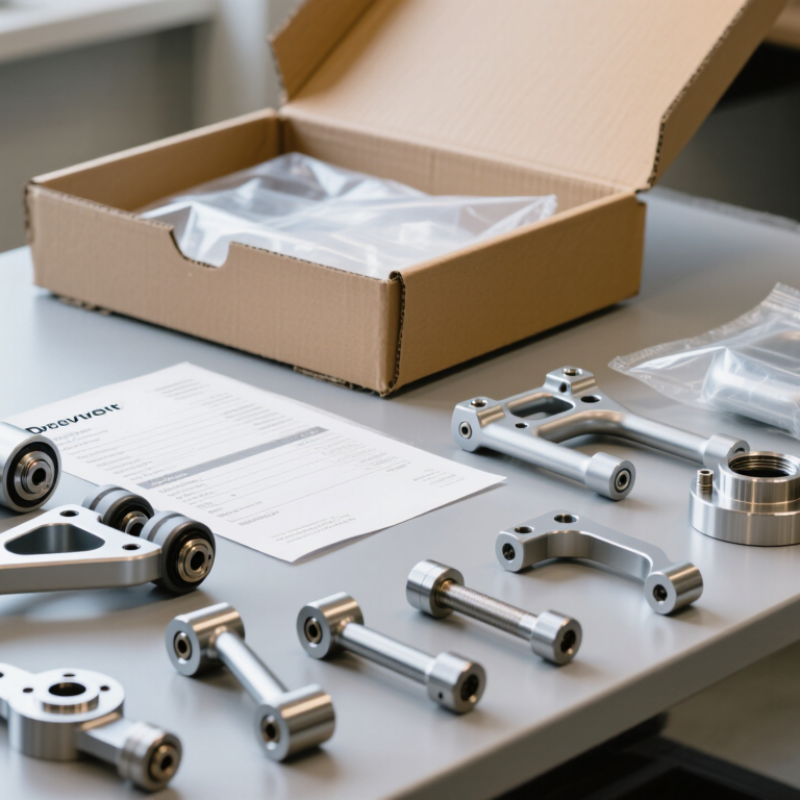
Identify the Vitavon Racing Parts You Need
Before choosing a racing development part, identify the exact vehicle, model year, and chassis version. Similar-looking cars can use different mounting points. Check the manual, existing part numbers, and clear photos of the area you plan to upgrade. Small details matter.
Inspect the part’s job, dimensions, and connection points. For suspension components, compare hole spacing and arm length; for drivetrain parts, check shaft diameter and clearance. Measure with calipers when possible, then compare those figures with the seller’s fitment information. A ruler may help, but it can miss a fraction that affects alignment. Check material and weight, too. Lighter is not always better.
Think about how you drive. A track-focused setup may benefit from precise steering response, while rough surfaces can demand more durability and ground clearance. Change one component at a time, and keep the original part nearby for comparison. It is easy to assume a part fits because it looks right. That assumption can be wrong. If specifications are unclear, ask for confirmation before ordering, and save the answer with your setup notes. After installation, inspect fasteners and moving parts at low speed before returning to full pace.
Check Vehicle Compatibility and Part Specifications
Before buying a racing part, confirm your vehicle’s exact model, version, and production year. Similar-looking models can use different mounting holes or suspension geometry. Check the part description against your vehicle manual, then compare measurements such as length, shaft diameter, hole spacing, and thread size. A ruler helps, but calipers give more dependable readings. Tiny differences matter.
Review the part’s material, weight, and intended position on the vehicle. An aluminum arm, for example, may feel sturdy but add weight where a lighter setup is preferred. Check nearby components for clearance through the full range of steering or suspension travel. Product photos can hide small details. I have found that listing diagrams are useful, but they do not replace measuring the actual parts.
Tips: Photograph the stock part before removal. Keep its screws nearby, and compare each mounting point with the replacement. Check the fit by hand before tightening anything. If a specification is unclear, pause and confirm it with the seller or vehicle documentation. I once trusted a model name alone; it was not enough.
How to Buy Racing Development Parts: Check Vehicle Compatibility and Part Specifications
Use this inch-to-millimeter reference when comparing part dimensions. The conversion is exact: 1 inch = 25.4 mm. Always verify a part’s measurements and fitment against your vehicle’s specifications before buying.
Find a Reliable Vitavon Parts Seller
A reliable seller should make it easy to confirm that a part fits your exact vehicle and setup. Check the listing for a clear part number, dimensions, material, and compatible model versions. Photos should show the actual item, including mounting points and any small hardware. If details are missing, ask before ordering. A careful seller will answer specific questions instead of relying on vague claims like “fits most models.”
Look for consistent contact information, written shipping estimates, tracking, and a return policy that explains what happens if a part arrives damaged or does not match its description. Read recent customer feedback for details about packaging and response times, not just star ratings. Keep the listing and seller messages until the part is installed. That matters. Even a correctly listed component can be difficult to assess from a thumbnail photo, and compatibility can depend on small revisions. I still find those details easy to overlook. Compare the seller’s information with your vehicle manual or measurements, and pause if the answers conflict. A little checking now can prevent a stalled repair and an avoidable return.
Compare Prices, Stock, and Purchase Terms
Before buying racing development parts, compare the exact item number, listed price, and confirmed stock status across sellers. A low price can look appealing, but check whether it includes the required mounting hardware. Match dimensions and compatibility notes against your vehicle’s manual, especially for suspension arms, hubs, and drivetrain components. A few millimeters matter.
Check stock carefully. “Available” may mean the seller can order the part, not that it is ready to ship. Ask for an estimated dispatch date if timing matters. Then review purchase terms: shipping charges, taxes, return windows, warranty coverage, and who pays return postage for an incorrect fit. Save the product description and order confirmation. Details get fuzzy.
A comparison table helps: item number, total cost, stock estimate, delivery time, and return conditions. Don’t compare prices until you include shipping; a cheaper listing may cost more at checkout. Also look for clear photos and precise material descriptions. If a listing lacks measurements, pause and ask before paying. No comparison is perfect. Stock can change quickly, and I’d recheck the terms just before ordering.
Place Your Order and Confirm Delivery Details
Before placing an order, match each part number to your vehicle’s manual or a reliable fitment chart. Similar-looking components can have different mounting points or dimensions. Add the exact item names and quantities to your cart, then review them against your notes. It is easy to overlook a small spacer. That mistake can delay a build.
At checkout, enter the delivery address carefully, including the unit number, postal code, and a reachable phone number if requested. Check spelling before paying; an old saved address can slip through. Review the shipping method, estimated delivery window, and any access instructions for your building. After placing the order, save the confirmation email and look for the listed items, total, and delivery details. If the address or selection looks wrong, contact customer support promptly and keep your order number handy. I would recheck the tracking page after dispatch, too. Updates are not always immediate, and that can be frustrating.
How to Buy Racing Development Parts? - Place Your Order and Confirm Delivery Details
| Step | What to Check | Information to Provide | Confirmation to Keep |
| 1. Identify the part | Check the part name, product code, dimensions, and listed contents. | Exact part or product code and quantity. | A written item description or order summary. |
| 2. Verify compatibility | Confirm the part fits your vehicle or equipment model, version, and existing setup. Ask about any required accessories or modifications. | Model, version, and relevant configuration details. | Written compatibility confirmation when fitment is uncertain. |
| 3. Review the order total | Check the item price, shipping cost, applicable taxes or duties, and any stated return conditions before payment. | Preferred currency and destination country or region. | An itemized quote or checkout total. |
| 4. Place the order | Use the seller’s accepted payment method and check that the payment amount matches the confirmed order total. | Billing details and the selected payment method. | Payment receipt and order reference. |
| 5. Confirm delivery details | Check the recipient name, full street address, postal code, country, and contact number. Confirm any delivery instructions if supported. | Complete shipping address and a reachable contact method. | Order confirmation showing the correct shipping address. |
| 6. Track and receive | Ask for tracking details when available. Delivery timing and tracking availability depend on the seller and carrier. | A suitable delivery contact and any required delivery preferences. | Tracking reference and delivery confirmation, if provided. |