What is the Best PV Wire for Your Next Project?
Choosing the right PV wire is crucial for any solar project. As noted by industry expert Dr. Emily Torres, “Quality PV wire can make or break your solar installation.” Her insight underscores the importance of selecting wire that meets both performance and safety standards.
PV wires are designed for specific applications in photovoltaic systems. They must withstand harsh environmental conditions. Choosing the wrong wire can lead to failures and costly repairs. Even slight oversights in wire selection can affect system efficiency and longevity.
Many project managers overlook the nuances of PV wire specifications. Not all wires are created equal, and understanding the ratings can be daunting. Working closely with suppliers helps bridge this knowledge gap. Remember, the right choice in PV wire ensures a reliable and effective solar power system.
What is PV Wire and Why is it Essential for Solar Projects?
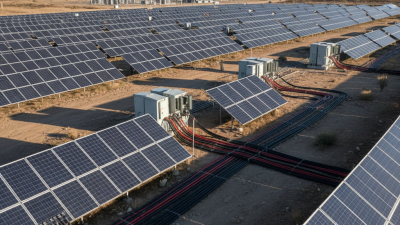
Photovoltaic (PV) wire is a critical component in any solar installation. It serves as the electrical pathway that connects solar panels to inverters and batteries. The quality of PV wire directly affects the efficiency and safety of solar energy systems. Choosing the right wire ensures optimal power transmission and minimizes energy loss.
PV wire is designed to withstand harsh environmental conditions. It features UV resistance, moisture protection, and high temperature limits. Selecting the appropriate wire size is essential. Oversized wire can lead to unnecessary costs, while undersized wire may overheat and cause failures. Knowledge of wire gauge and ampacity plays a significant role in project success.
While PV wire is vital, improper installation can compromise performance. It’s crucial to hire experienced technicians who understand local codes and standards. Regular maintenance can also prevent issues. Over time, corrosion or insulation damage may occur, impacting energy efficiency. Making informed decisions about PV wire will enhance the longevity of solar projects.
Key Specifications to Consider When Choosing PV Wire for Your Project
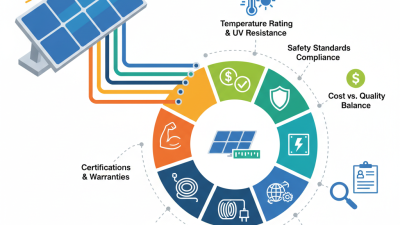
When selecting PV wire for your solar project, one key specification to consider is the temperature rating. Most PV wires are rated for temperatures between -40°C to 90°C. This range ensures that the wire can handle extreme weather conditions without degrading. A study by the National Renewable Energy Laboratory shows that thermal performance is crucial for wire longevity and efficiency.
Another critical factor is the wire's gauge. Thicker wires (such as 10 AWG) can carry more current but may be less flexible. For residential projects, a gauge between 10 and 12 AWG is often recommended. Too thin a wire can lead to overheating, reducing energy efficiency. The American Solar Energy Society recommends choosing a wire gauge that minimizes voltage drop while maintaining safety.
Lastly, consider the insulation type. Many PV wires use a durable rubber or thermoplastic material. This insulation is designed for UV resistance. Data from the International Electrotechnical Commission highlights that UV resistance extends the lifespan of PV wire by several years. However, not all insulations perform equally well. The best choice balances flexibility and protection against environmental factors.
Comparative Analysis of Key Specifications for PV Wire
Comparing the Performance: Single vs. Dual Conductor PV Wire
When it comes to solar projects, selecting the right PV wire is crucial. Single conductor and dual conductor wires have distinct advantages that can significantly impact performance. Single conductor wires are typically lighter and more flexible, making installation easier in tight spaces. They are ideal for smaller systems or projects with limited space. However, they can result in higher installation costs when multiple wires are needed.
Dual conductor wires, on the other hand, offer efficiency in a compact design. These wires can reduce the number of connections and potential points of failure. This is important for ensuring long-term reliability and minimizing maintenance. Yet, dual conductor wires may be bulkier and more challenging to work with in certain configurations. Selecting between these options requires careful consideration of the project’s specific needs, such as environment and load capacity.
Installing the wrong type can lead to issues like overheating or voltage drops. It's essential to evaluate the specific requirements of your system thoroughly. Not all installations are straightforward, and what works in one scenario may not suit another. Take time to weigh the benefits and drawbacks before making a decision. This deliberate approach can lead to better outcomes in the long run.
Understanding Temperature Ratings and Their Impact on PV Wire Selection
When selecting PV wire for your next solar project, understanding temperature ratings is crucial. These ratings indicate how well the wire can perform under varying environmental conditions. A wire rated for higher temperatures will maintain its integrity and performance better than those with lower ratings. In harsh climates, this knowledge can save your project from potential failures.
Tips: Always check the temperature rating on the wire. A wire designed for outdoor use typically has a higher temperature rating. Consider your local climate when making this choice.
The rating can affect the lifespan and efficiency of your solar system. Wiring that overheats can lead to insulation damage. This damage can also result in electrical failures. Don't overlook this aspect during the planning phase; anticipation is key.
Tips: Look for wire that can handle temperature changes. This will help improve safety and reliability. Avoid assuming all wires are the same; they are not. Make informed choices for your project's success.
Regulatory Compliance: Industry Standards for PV Wire in Solar Applications
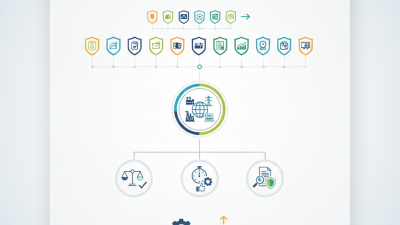
In solar applications, regulatory compliance is critical. PV wire must adhere to industry standards to ensure safety and performance. The National Electrical Code (NEC) outlines specific requirements for photovoltaic (PV) systems. Compliance helps prevent electrical hazards. According to the Solar Energy Industries Association (SEIA), nearly 80% of solar installations fail to meet essential safety standards. This compliance gap poses risks to both end-users and installers.
Choosing the right PV wire involves understanding these regulations. For example, wires must be rated for direct sunlight exposure and extreme temperatures. The American Society for Testing and Materials (ASTM) has established tests for UV resistance, which are crucial for wire longevity. The incorrect choice of wire can lead to significant performance degradation. Reports indicate that inadequate insulation can result in wire failures within a few years, leading to costly repairs.
Awareness of these standards is not enough. The responsibility lies with manufacturers and installers to prioritize compliance. This requires continuous education and training in industry developments. Some installers still overlook proper testing methods. Regular audits are essential. For a sustainable solar future, addressing these compliance issues is imperative for the industry’s credibility.