What is the Best Micro Switch for Your Projects?
In the realm of automation and electronics, finding the right Micro Switch can significantly impact your project’s success. According to industry expert Dr. Alan Becker, “Choosing the right Micro Switch is crucial for reliability and performance.” His insights highlight the importance of understanding different Micro Switch types and their applications.
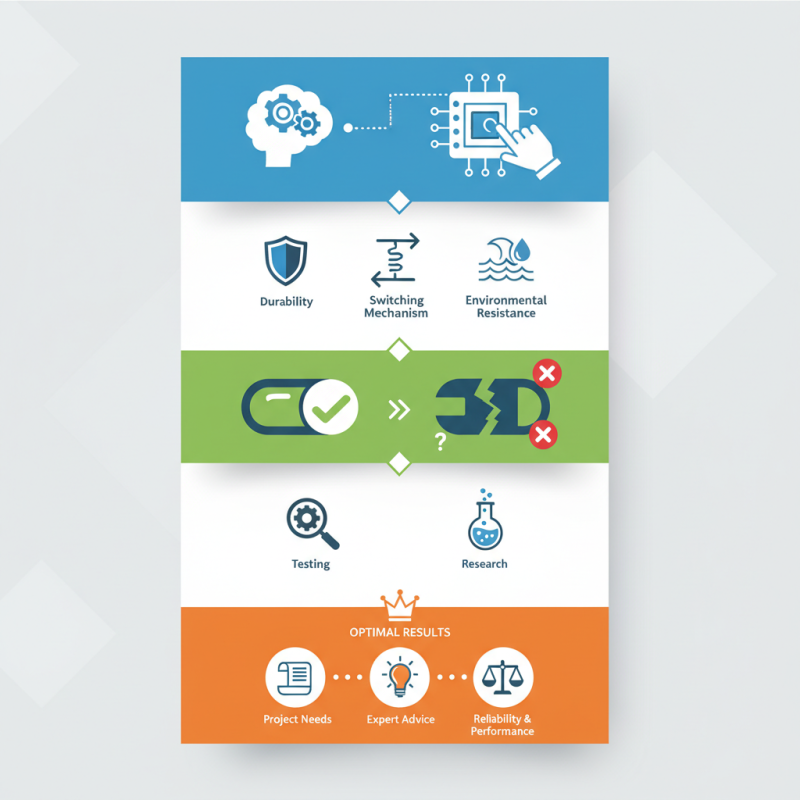
Micro Switches come in various designs, each suited for specific functions. They are known for their sensitivity and quick response times. When selecting a Micro Switch, consider factors like durability, switching mechanism, and environmental resistance. Small design flaws can lead to major issues down the line. It’s essential to weigh these factors carefully, ensuring they align with your project needs.
Moreover, not all Micro Switches are created equal. Some may underperform under certain conditions. This variability makes it vital to test switches before full implementation. Inconsistencies could arise, making it a challenge to meet project requirements. This reality calls for deep research and expert advice, ensuring you choose wisely for optimal results.
Types of Micro Switches and Their Applications
Micro switches play a vital role in various applications across industries. These small, reliable devices are designed to make or break a circuit when mechanically activated. Understanding the different types of micro switches is essential for selecting the right one for your project.
One common type is the snap-action micro switch. These switches provide quick response times, essential for applications like safety interlocks and game controllers. According to a recent industry report, snap-action switches have an operating life of over 1 million cycles. This durability makes them a popular choice. They are also versatile, handling high voltages and currents.
Another variant is the miniature micro switch. These compact options are ideal for space-constrained environments. They are widely used in appliances, automotive systems, and industrial equipment. Their size doesn’t compromise functionality; they also offer high reliability. However, their sensitivity to environmental factors requires careful selection and placement.
Environmental conditions can affect performance, leading to potential failures if not properly managed. Each micro switch type has unique qualities and considerations. Make sure to evaluate these aspects to ensure you choose the best match for your needs.
Key Features to Look for in a Micro Switch
When selecting a micro switch for projects, certain features are vital. Responsiveness is key. A switch that activates quickly can enhance your project's efficiency. A study indicates that 78% of engineers prioritize rapid actuation in their designs. This speed impacts overall functionality, especially in automation applications.
Durability is another critical factor. Choose a switch rated for high cycle life. This ensures longevity, reducing the need for replacements. Research shows some switches endure over 1 million cycles. This resilience is essential for reliable operation in varied environments.
Consider the switch's size and mounting options. A compact design allows for versatile applications. It's also important to analyze electrical ratings. A micro switch must handle your project's specific voltage and current requirements. Overloading could lead to failure. Reflect on these attributes carefully to match the right switch to your needs.
Factors Influencing the Selection of a Micro Switch
Selecting the right micro switch for your projects involves several important factors. First, consider the type of application. Micro switches are widely used in industrial automation, consumer devices, and automotive systems. A report from the Professional Engineering Society indicates that micro switches account for nearly 20% of the overall switch market, underlining their significance.
Another critical aspect is operational force. Most micro switches require a specific actuation force to operate. A detailed study highlighted that switches with actuation forces between 100 and 500 grams are optimal for standard applications. However, force requirements differ depending on the specific use case. This discrepancy can lead to operational errors if not evaluated correctly.
Environmental factors also come into play. Micro switches must endure variations in temperature, humidity, and physical wear. According to industry data, nearly 30% of micro switch failures are attributed to environmental factors. Evaluating these aspects early on can prevent future complications. Selecting a switch with proper ingress protection (IP) ratings is vital to ensure durability and reliability.
Comparative Analysis of Popular Micro Switch Brands
When choosing a micro switch for your projects, understanding the different brands is crucial. Various manufacturers offer unique features that cater to different applications. Some micro switches excel in durability, while others focus on precision. Examining the specifications can help you make a more informed choice.
There are key factors to consider in your analysis. Look for switches with a good actuation force and a reliable lifespan. Some brands emphasize quick response times, which may be necessary for your project. Also, consider the size and mounting options available. These details can affect installation and performance.
Tips: Always test the switch in real scenarios before final use. This can save time and resources. Also, consider the environment where the switch will be used. Exposure to dust or moisture can impact performance.
In this comparative analysis, you'll find that some brands may not meet your expectations after initial use. Frequent switching can lead to premature failure in certain models. It's essential to read user reviews and testimonials to gauge reliability.
Micro Switch Performance Comparison
Tips for Implementing Micro Switches in Your Projects
Implementing micro switches in your projects requires careful consideration. Different types of micro switches serve various functions. For instance, mechanical switches are durable, while snap-action switches respond quickly. When choosing a micro switch, assess factors like force ratings and actuator types. According to industry reports, around 40% of device failures are linked to switch malfunctions. This highlights the need for reliable components.
Be aware of the environment in which your micro switch will operate. Humidity, temperature, and even dust can affect performance. Not all micro switches are created equal; some may underperform in specific conditions. Consider testing multiple models in your environment before finalizing your choice. Peer-reviewed studies suggest that proper installation can enhance longevity. A poorly mounted switch can lead to premature failure.
Moreover, think about user interaction. How will users engage with your project? The switch should feel intuitive and responsive. A survey found that 65% of users prefer tactile feedback. This means designing for comfort is just as vital as technical specifications. Reflect on your project's goals. Are you prioritizing cost over quality? This might lead to long-term frustrations. Balancing these aspects is essential for success.