What Are the Best Low Voltage Cable Manufacturers in China?
Choosing the right low voltage cable manufacturer in China requires more than comparing prices or browsing polished websites. A reliable supplier must combine consistent production, tested materials, clear documentation, and practical export experience. This guide examines manufacturers through the details that affect real projects, including conductor quality, insulation performance, voltage ratings, customization, and delivery control.
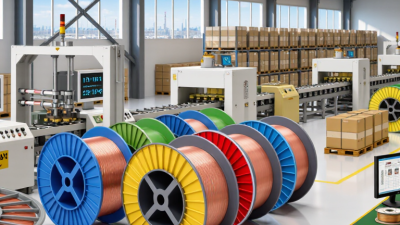
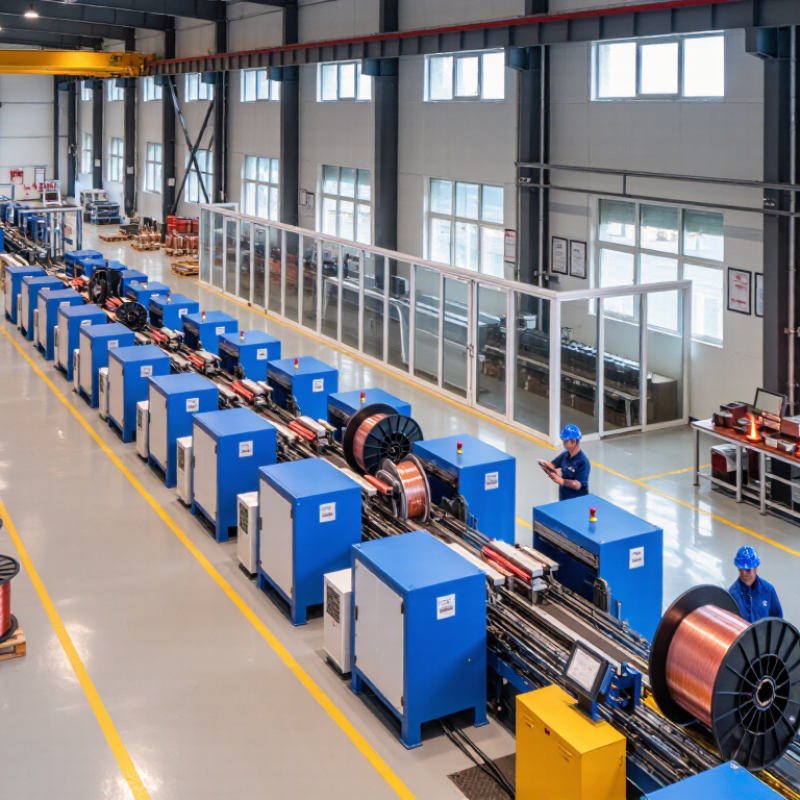
Factory capability matters. Visitors should look for organized extrusion lines, controlled storage areas, sample testing, and traceable batch records. Independent laboratory reports can support claims about flame resistance, electrical performance, and environmental durability. Certifications are useful, but buyers should verify their scope, validity, and issuing organization. A certificate alone does not prove dependable production. Details matter.
The comparison also considers communication, technical support, minimum order quantities, packaging, and after-sales response. An experienced manufacturer should explain cable construction clearly and recommend suitable options for buildings, industrial equipment, renewable energy systems, or infrastructure projects. However, no supplier ranking can fit every buyer. Project conditions differ, and public information may be incomplete. Even careful evaluations need reflection and updated verification. That takes time. Buyers should request recent samples, review inspection procedures, and confirm specifications before signing a contract. The strongest candidates are not always the cheapest. They are the companies that provide evidence, communicate honestly, and maintain stable quality from the first shipment to the last.
What Low-Voltage Cables Are and How They Are Used
What Are the Best Low Voltage Cable Manufacturers in China?
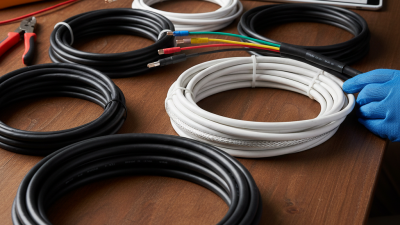
Low-voltage cables carry electricity at safer distribution levels, commonly below 1,000 volts. They connect lighting, control panels, appliances, security systems, and small industrial equipment. Inside a cable, copper or aluminum conductors carry current, while insulation limits leakage and prevents contact. PVC, XLPE, and LSZH materials serve different installation needs. For example, LSZH insulation can reduce smoke and corrosive gases in crowded indoor spaces.
Reliable manufacturers should provide clear technical data, traceable raw materials, and consistent production testing. Ask for conductor resistance, insulation thickness, voltage ratings, flame performance, and operating temperature. Factory audits can reveal practical details, such as storage conditions, testing equipment, and worker procedures. A manufacturer may offer competitive pricing, but unclear certificates deserve caution. Some decisions still need review, especially when project drawings are incomplete.
Tips: Match the cable to its environment, not only its price. Check moisture, heat, bending, sunlight, and mechanical stress. Request samples before placing a large order. Compare test reports with recognized standards and confirm whether the finished cable carries permanent markings. Measure the sample carefully. Small differences in diameter or insulation thickness may affect installation and service life.
How to Evaluate Low-Voltage Cable Manufacturers in China
What Are the Best Low Voltage Cable Manufacturers in China?
How to Evaluate Low-Voltage Cable Manufacturers in China
Market size alone does not identify a reliable supplier. Grand View Research valued the global wire and cable market at about USD 205.94 billion in 2022. Its report projected a 4.2% annual growth rate from 2023 to 2030. This growth increases choice, but also increases evaluation pressure.
Start with technical evidence. Request conductor resistance results, insulation thickness records, voltage tests, and flame-retardancy data. Compare these documents with IEC 60227 or IEC 60502-1 requirements. A serious factory should show calibrated equipment, batch numbers, and traceable raw-material records. Ask to inspect copper drawing, insulation extrusion, spark testing, and aging-test areas. Do not rely on polished samples.
Production capacity matters. Mordor Intelligence reports strong cable demand from power, construction, and renewable-energy projects. However, capacity claims can be optimistic. Check monthly output against actual purchase orders and delivery records. Request an independent pre-shipment inspection for the first order. Evaluate packaging, moisture protection, labeling, and conductor cross-section after delivery.
Look beyond price. Calculate copper content, testing costs, rejected batches, warranty response, and shipping delays. A lower quotation may hide thinner insulation or unstable resistance. I would also test a small batch before signing a long contract. That step feels slow. It can expose weaknesses early. Supplier evaluation is never perfectly objective; documents may be complete while factory discipline changes between visits. Regular audits remain necessary.
Leading Chinese Manufacturers and Their Product Strengths
China’s leading low-voltage cable manufacturers serve rising demand from buildings, factories, data centers, and renewable-energy projects. The International Energy Agency’s Electricity 2024 report forecasts global electricity demand growth of about 3.4% annually through 2026. This outlook supports continued cable investment, but supplier selection still requires technical evidence.
Experienced Chinese factories often offer copper and aluminum conductors, PVC or XLPE insulation, and low-smoke zero-halogen options. Their strengths include flexible production volumes, custom conductor sizes, and competitive delivery schedules. Strong manufacturers also maintain automated extrusion lines, online diameter controls, and batch traceability. Ask for conductor resistance, insulation thickness, tensile strength, and flame-retardance results. A polished catalog is not enough.
Look for compliance with applicable IEC or GB/T standards, supported by independent laboratory reports and ISO 9001 quality procedures. The International Organization for Standardization reports that ISO 9001 remains one of the world’s most widely adopted quality-management standards, but certification alone cannot prove product consistency. Sample testing matters. Check cable drums for clear markings, sealed ends, and moisture protection. Some suppliers perform well on standard PVC cables but struggle with LSZH compounds or tight bending requirements. That weakness deserves attention. Request production photos, inspection records, and references from comparable projects. A factory that explains failures openly may be more reliable than one promising perfect performance.
Representative Low-Voltage Cable Capability Benchmarks
This chart compares commonly specified voltage ratings for low-voltage cable categories manufactured in China. The figures are based on widely used IEC cable classifications and represent product-category benchmarks rather than data from individual companies or brands.
How Chinese Cable Companies Compare in Quality and Pricing
Choosing the best low voltage cable manufacturer in China requires more than comparing quoted prices. In practical sourcing, quality appears in conductor resistance, insulation thickness, and production consistency. Reliable factories provide traceable copper records, routine test reports, and clear product specifications. Some also support independent laboratory testing before shipment. This extra step can reveal weak insulation or uneven diameters that photographs never show. Factory visits remain useful, although they do not guarantee perfect performance.
Tips: Request samples from the same production line used for bulk orders. Check conductor flexibility, jacket markings, coil length, and packaging strength. Compare test data line by line, not only the final price. Ask how rejected batches are recorded and corrected. A low quotation may exclude testing, packing, or technical support. That difference can become expensive later.
Chinese cable companies often compete strongly on pricing because of large-scale production and established supply chains. However, the cheapest offer is rarely the best value for demanding projects. A moderately priced manufacturer with stable materials may reduce installation delays and replacement costs. Buyers should compare copper purity, insulation compounds, voltage ratings, delivery schedules, and warranty terms together. I have seen attractive samples followed by inconsistent bulk shipments, so written quality controls matter. Even experienced buyers can overlook small specification changes. A careful contract should define the conductor size, insulation material, testing method, and acceptable tolerances.
What Are the Best Low Voltage Cable Manufacturers in China? - How Chinese Cable Companies Compare in Quality and Pricing
| Manufacturer Profile |
Typical Product Range |
Common Voltage Rating |
Applicable Standards |
Typical Quality Level |
Indicative Price Index* |
Typical Export Lead Time |
Best Suited For |
| Export-certified full-service manufacturers |
PVC and XLPE insulated power cables, control cables, fire-resistant cables, low-smoke zero-halogen cables, and armored cables |
0.6/1 kV |
IEC 60502-1, GB/T 12706.1, CE or equivalent project requirements |
High |
105–125 |
25–45 days |
International construction projects, infrastructure, utilities, and technically controlled procurement |
| Industrial cable specialists |
Industrial power cables, flexible cables, control cables, instrumentation cables, and customized cable assemblies |
300/500 V to 0.6/1 kV |
IEC, GB/T, EN, UL or customer-specific specifications |
High to very high |
110–135 |
20–40 days |
Factories, automation systems, renewable-energy equipment, machinery, and OEM applications |
| Large-volume OEM manufacturers |
Standard PVC power cables, building wires, bundled cables, and regularly manufactured standard sizes |
300/500 V to 0.6/1 kV |
GB/T 5023, GB/T 12706.1, IEC 60227, and selected export standards |
Medium to high |
95–110 |
15–30 days |
Distributors, recurring OEM orders, residential projects, and cost-sensitive commercial installations |
| Regional cost-focused manufacturers |
Basic PVC insulated wires and cables, non-armored power cables, and common building-wire sizes |
300/500 V to 0.6/1 kV |
Primarily GB/T; export compliance varies by product and destination |
Medium |
85–100 |
10–25 days |
Domestic construction, standard distribution channels, and projects where initial purchase price is the main priority |
Notes:
* The indicative price index uses 100 as the approximate reference price for a standard, copper-conductor PVC low-voltage cable purchased in a regular production quantity. Actual prices vary with copper and aluminum prices, conductor cross-section, insulation material, armor, order quantity, packaging, testing, certification, and Incoterms.
Quality should be verified through conductor resistance, insulation thickness, tensile and elongation tests, voltage tests, flame-retardant performance, batch traceability, factory audits, and independent inspection reports rather than price alone.
How to Choose the Right Manufacturer for Your Project
Choosing a low voltage cable manufacturer in China requires more than comparing quotations. I usually begin with the cable’s actual working conditions. Check voltage rating, conductor material, insulation type, temperature range, installation method, and fire-performance requirements. A cheaper cable may become expensive after failures, replacement work, or delayed commissioning.
Request technical documents before ordering samples. These should include product specifications, test reports, material details, and applicable certifications. Confirm whether an independent laboratory issued the reports. Ask how the factory controls conductor resistance, insulation thickness, and finished-cable dimensions. Small deviations matter. A reliable manufacturer should also provide batch numbers and production records for traceability.
Visit the facility when the project is important. Observe copper storage, extrusion lines, testing equipment, and packaging areas. Ask to see samples from different production dates, not only a prepared display piece. Review similar project experience, monthly capacity, minimum order quantities, and realistic lead times. Clear answers build confidence.
Communication is often overlooked. Can the technical team understand your drawings and respond with measured data? Do not accept vague promises. I once trusted an attractive sample without checking the full test procedure, and the later documentation was incomplete. That mistake changed my evaluation process. I now compare samples, factory evidence, inspection plans, and after-sales responsibility together. A manufacturer may look capable, yet weak documentation can still create serious project pressure.