The Best 10 Applications of PV Wire in the Solar Industry?
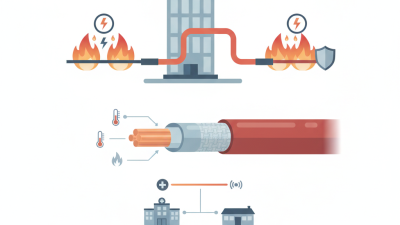
In the solar industry, the importance of PV wire cannot be overstated. This specialized wiring is essential for the safe and efficient transmission of solar energy. Understanding its applications can lead to better performance and durability of solar systems. From connecting solar panels to inverters, to wiring arrays, each use demonstrates its versatility.
PV wire is crafted to withstand extreme conditions. It is resistant to UV rays, moisture, and temperature fluctuations. This resilience makes it a reliable choice for outdoor installations. However, not all installations benefit equally from its use. Misapplication can lead to energy loss and potential hazards. Users often overlook the importance of proper installation techniques, which can undermine the advantages of PV wire.
As the solar industry evolves, so do the applications of PV wire. Innovations have emerged, enhancing its effectiveness in modern systems. However, challenges remain. Users need to stay informed about best practices. With the right approach, the potential of PV wire can be fully realized, ensuring a more efficient solar future.
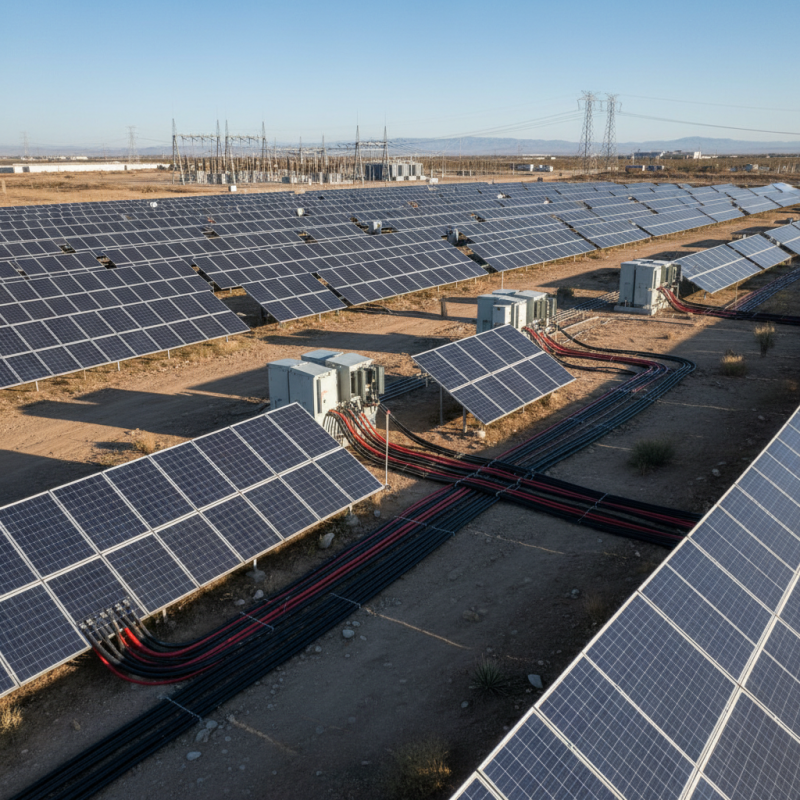
Overview of PV Wire in Solar Energy Applications
PV wire plays a crucial role in the solar energy sector. Its ability to withstand harsh environmental conditions makes it essential for solar panel installations. This wire is designed for high voltage applications, ensuring reliable performance under intense sun exposure.
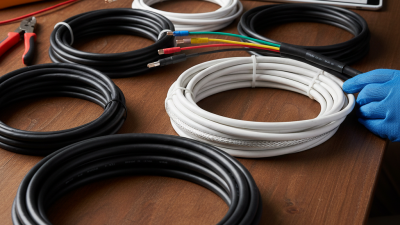
One key aspect of PV wire is its flexibility. This allows for easy installation in various settings. Tight spaces or intricate designs won't pose significant challenges. Yet, selecting the right type of PV wire remains critical. Not all wires are created equal, and understanding their specifications is crucial.
Tips: Always check for UV resistance. This protects against degradation over time. Conduct regular inspections of wire insulation to prevent unexpected failures. Additionally, ensure that connections are secure to avoid energy losses. Prioritize safety procedures during installation and maintenance. Trustworthy sources of information can provide valuable insights into selecting the best PV wire. Quality materials ultimately contribute to the efficiency of solar energy systems.
The Best 10 Applications of PV Wire in the Solar Industry
| Application |
Description |
Voltage Rating (V) |
Temperature Rating (°C) |
Conductor Size (AWG) |
| Utility-Scale Solar Farms |
Used for connecting solar panels to inverters over long distances. |
1000 |
-40 to 90 |
10 |
| Residential Solar Installations |
Connects solar panels on rooftops to home electrical systems. |
600 |
-40 to 90 |
12 |
| Ground-Mounted Solar Arrays |
Wiring systems for large ground-installed solar panel systems. |
1000 |
-40 to 90 |
10 |
| BIPV Systems |
Integrated solar solutions within building materials. |
1000 |
-40 to 90 |
12 |
| Off-Grid Solar Systems |
Power supply for remote locations without grid access. |
600 |
-40 to 90 |
10 |
| Solar Tracking Systems |
Wiring for panels that follow the sun for optimal energy capture. |
1000 |
-40 to 90 |
8 |
| Portable Solar Generators |
Flexible wiring for easy transport and connection. |
600 |
-40 to 90 |
14 |
| Solar Battery Systems |
Integrates solar power with energy storage systems. |
600 |
-40 to 90 |
12 |
| Hybrid Solar Systems |
Combines solar with other energy sources for efficiency. |
1000 |
-40 to 90 |
10 |
Key Characteristics of PV Wire for Solar Installations
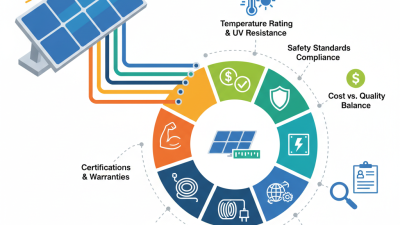
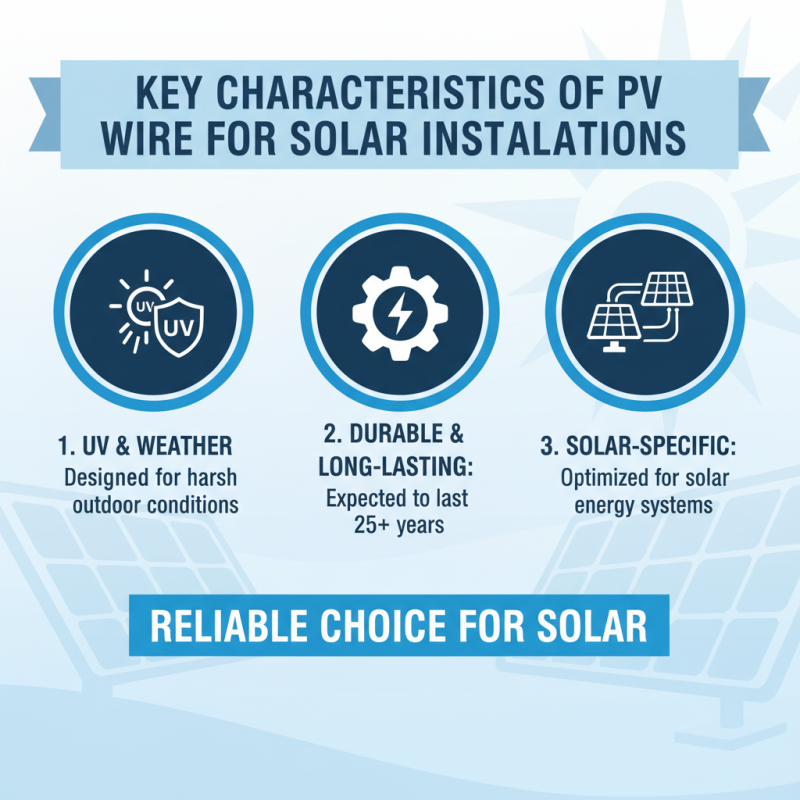
When discussing the applications of PV wire in the solar industry, understanding its key characteristics is essential. PV wire is designed specifically for solar energy systems. It exhibits remarkable resistance to UV radiation and harsh weather conditions, which extends its lifespan. According to industry reports, PV wires can last up to 25 years or more, making them a reliable choice for solar installations.
These wires are also characterized by their high flexibility and low voltage drop. With a working temperature range from -40°C to 90°C, PV wire performs efficiently in various climates. Additionally, their insulation is often made from cross-linked polyethylene, enhancing durability. These features ensure that energy loss during transmission is minimal, which can significantly improve overall system efficiency.
Tips: Always check for compliance with safety standards. Regular inspections can prevent potential failures due to wear or damage. Selecting the right wire size is also crucial, as undersized wires can lead to overheating and decreased efficiency. Be mindful of the installation environment, as extreme temperatures can affect wire performance and durability.
Top 10 Applications of PV Wire in Solar Power Systems
Photovoltaic (PV) wire plays a crucial role in solar power systems. This specialized wire connects solar panels to inverters and other components. It is designed to withstand outdoor conditions, ensuring long-term reliability. Industry data suggests that approximately 90% of solar installations rely on high-quality PV wire for optimal performance.
One significant application of PV wire is in solar arrays. These installations can often be extensive and require durable cabling. The wire must endure extreme temperatures and UV exposure. For example, the National Renewable Energy Laboratory (NREL) reported that PV wire used in outdoor environments can last over 25 years when properly installed.
Another application is in the junction boxes of solar panels. These boxes protect the electrical connections. High-quality PV wire ensures efficient energy transfer. A breakdown in this wiring can lead to energy losses, which can be significant. Research indicates that improper wire management can reduce overall system efficiency by up to 10%.
The reliability of PV wire is vital for the entire solar power system. Proper insulation is often a reflection of the manufacturing process. Ignoring these factors can lead to short circuits or premature failures. In the rapidly growing solar industry, understanding these applications is essential for all stakeholders.
The Best 10 Applications of PV Wire in the Solar Industry
Benefits of Using PV Wire in Solar Energy Projects
In the solar energy sector, PV wire plays a critical role. This specialized wire is designed to withstand harsh environments. It is UV-resistant and capable of enduring extreme temperatures. These qualities ensure longevity and reliability in solar installations. The advantages of using PV wire are significant.
One benefit is its safety features. PV wire has a superior insulation material, reducing fire risks. This wire also minimizes energy loss during transmission. As a result, solar systems operate more efficiently. In commercial projects, this can lead to substantial cost savings.
Tips: Regularly inspect your PV wire for signs of wear. Look for insulation damage or exposure to elements. Ensure connections are tight, preventing voltage drop. These small checks can enhance system performance.
Moreover, the flexibility of PV wire allows for diverse applications. Installers can maneuver it easily, adapting to various layouts. However, proper installation techniques are crucial. Missteps can lead to performance issues. Always ensure compliance with local codes and standards.
Future Trends in PV Wire Utilization within the Solar Industry
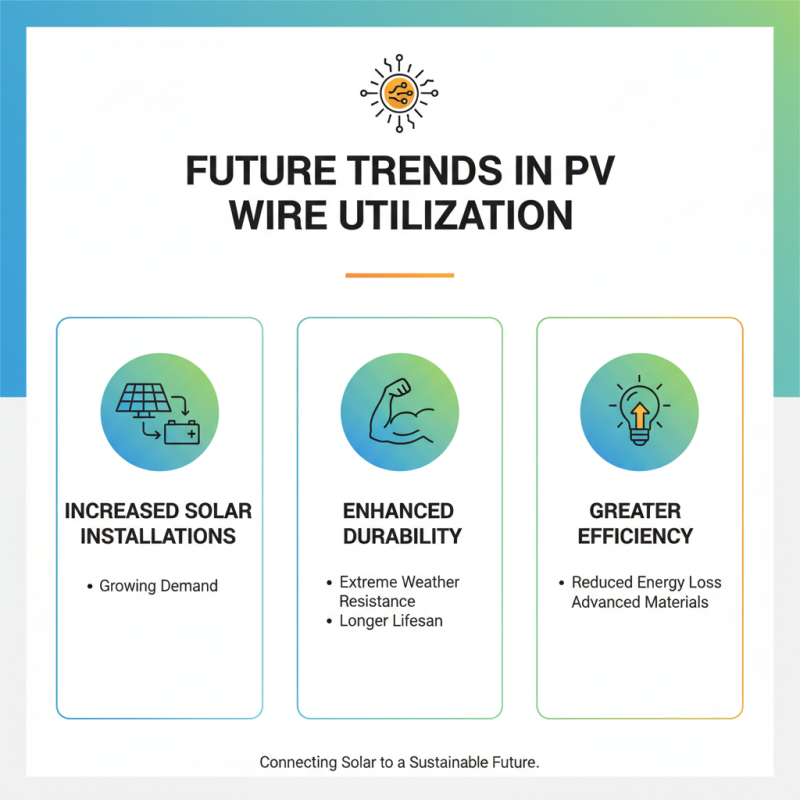
The solar industry is evolving rapidly, and so is the role of PV wire. It is crucial for connecting solar panels to inverters and energy storage systems. As solar installations increase, the demand for reliable PV wire solutions grows. Future trends suggest a need for enhanced durability and efficiency.
Emerging technologies may lead to PV wires that withstand extreme weather conditions better. Innovations like improved insulation materials could boost performance and reliability. New manufacturing techniques may reduce costs while enhancing quality, which is exciting for the industry. However, a challenge remains in keeping up with these advancements.
Moreover, the durability of PV wires will be critical. Over time, exposure to sunlight and environmental factors can degrade wire performance. More research is needed to improve longevity and reduce maintenance. Industry players must reflect on how to adapt to these changing needs. The evolution of PV wire is an ongoing journey in the solar sector.