2026 Top Cat 5e Cables for Global Buyers
Choosing the right cat 5e cables in 2026 requires more than comparing prices or colorful packaging. Global buyers must examine conductor material, gauge, shielding, jacket quality, and verified performance. A dependable cable should support up to 100 MHz operation and a 100-meter channel under suitable installation conditions. That sounds simple. It is not always simple.
Ron Tellas, a recognized cabling specialist and technical manager at Belden, has said, “The cable is only one part of the channel.” His point remains practical. Patch panels, connectors, termination quality, bend radius, and electromagnetic conditions can change real-world results. A beautifully labeled cable may still perform poorly when installed carelessly. That is an uncomfortable detail.
This guide examines the 2026 cat 5e cables market from a buyer’s perspective. It considers solid copper and copper-clad aluminum construction, because these materials should not be treated as interchangeable. It also reviews UTP and shielded designs, indoor and outdoor jackets, certification evidence, packaging transparency, and supplier consistency. For international procurement, documentation matters. Buyers should request test reports, product specifications, traceable model numbers, and declarations relevant to their destination markets. Terms such as “high speed” can hide important limitations.
Some recommendations may feel cautious. That is intentional. Product availability changes, and supplier claims deserve verification. A low-cost reel can become expensive after rework, signal faults, or replacement. The strongest choice is usually the cable that matches the network, installation environment, and compliance requirements—not merely the cheapest option.
What Cat 5e Cables Are and Why They Still Matter in 2026
Cat 5e cables remain practical network components in 2026. They use four twisted copper pairs to reduce interference during data transmission. A properly installed Cat 5e link can support Gigabit Ethernet across distances up to 100 meters. That capacity suits offices, classrooms, small warehouses, and many home networks.
Still useful. Their value comes from availability, simple termination, and broad equipment compatibility. Global buyers should check conductor material, cable length, jacket type, and test results before ordering. Solid conductors work well in permanent walls, while stranded cables fit short patch connections. Pure copper generally provides more predictable performance than copper-clad alternatives. Look for clear specifications, not impressive packaging.
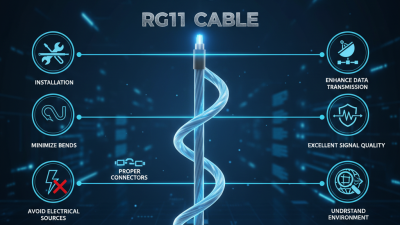
Installation quality matters as much as the cable itself. Tight bends, crushed sections, and untwisted pairs near connectors can weaken performance. Keep network cables away from strong electrical sources when possible. Field technicians often discover that a low-cost cable becomes expensive after repeated troubleshooting. That lesson is easy to ignore. It should not be.
Some buyers still choose newer categories automatically. That choice can be reasonable, but it may add cost without improving an ordinary Gigabit network. Cat 5e is not ideal for every high-density or future-heavy deployment. Its limitations deserve honest attention. Verify the actual bandwidth needs, building layout, local standards, and supplier documentation before purchase. A small test sample can reveal more than a confident sales claim.
Key Specifications for Comparing Cat 5e Cables Worldwide
2026 Top Cat 5e Cables for Global Buyers
Key Specifications for Comparing Cat 5e Cables Worldwide
When comparing Cat 5e cables, start with transmission performance, not jacket appearance. A reliable cable should support up to 100 MHz under suitable installation conditions. Check compliance with recognized standards, such as ISO/IEC 11801 or ANSI/TIA-568.2-D. These references help buyers compare test methods across countries. Cable length also matters. A typical permanent link should not exceed 90 meters, with patch cords completing a 100-meter channel.
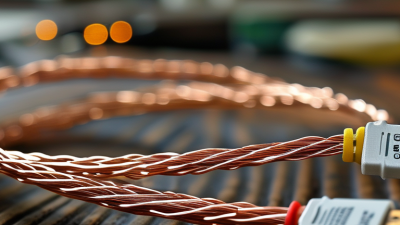
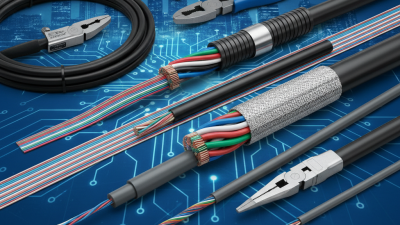
Look closely at the conductor material and gauge. Solid copper conductors suit fixed installations, while stranded conductors work better for flexible patch cables. Avoid unclear descriptions such as “copper-coated” without verification. That wording can hide important differences. Cable shielding also deserves attention. UTP is easier to install, while shielded designs may help in areas with strong electrical interference. They require proper grounding, however. A shield without correct grounding may create problems instead of solving them.
Check insulation ratings, temperature ranges, fire performance, and local documentation before ordering. LSZH and other jacket requirements vary by building type and destination market. Connector quality, pair twisting, and bend radius can affect real-world results. I have seen a cable pass a basic continuity check but fail under network testing. That is an easy mistake. Request independent test reports, batch information, and sample lengths. Small details, often overlooked.arsuarmi
2026 Top Cat 5e Cables for Global Buyers
Cat 5e cabling is commonly specified for frequencies up to 100 MHz and Gigabit Ethernet transmission over a maximum 100 m channel. A typical structured cabling layout uses up to 90 m of permanent link plus patch cords within the 100 m channel limit. Cat 5e contains four twisted pairs and supports 1000BASE-T when installation, termination, and equipment conditions are compliant.
The chart presents benchmark specifications using their native units; actual cable construction, conductor size, shielding, jacket rating, and PoE performance should be verified against the applicable regional standards and project requirements.
Top Cat 5e Cable Types for Homes, Offices, and Industrial Networks
Cat 5e remains a practical choice for homes, offices, and many industrial networks in 2026. It supports Gigabit Ethernet over up to 100 meters when installed correctly. For homes, unshielded solid-copper cable works well for routers, cameras, televisions, and wall outlets. Choose a low-smoke jacket when cables pass through occupied spaces.
Offices need dependable performance under heavier traffic. Solid cable suits permanent runs, while stranded patch cable handles movement near desks and switches. In areas with motors, fluorescent equipment, or dense power wiring, shielded Cat 5e can reduce interference. Industrial networks require tougher jackets that resist oil, sunlight, vibration, and temperature changes. Outdoor or factory routes may also need water-resistant construction and stronger connectors. Small details matter.
Tips: Check the cable marking, conductor material, jacket rating, and tested length before purchase. Avoid copper-clad aluminum when stable Gigabit performance matters. Label both ends. Test every installed link with a certified cable tester, not only a basic continuity tool. A link light is not proof of full performance. In field inspections, neat cabling sometimes hides excessive bend stress or poor termination. I have found that rushed installations fail quietly. Rechecking the design is worthwhile.
How to Select Cat 5e Cables for Different Global Markets
2026 Top Cat 5e Cables for Global Buyers
Selecting Cat 5e cable depends on market conditions, not only purchase price. A 2024 MarketsandMarkets report estimates the structured cabling market will grow above 8% annually through 2028. That growth increases product variety and quality differences. Cat 5e supports 100 MHz transmission and Gigabit Ethernet up to 100 meters under compliant installation conditions. Buyers should verify conductor material, conductor size, jacket rating, and test records.
European projects may require CPR classification and clear fire-performance documentation. North American projects often request ANSI/TIA-568.2-D compliance, while international installations may reference ISO/IEC 11801. Hot and humid markets need stronger jacket materials and careful moisture protection. For long warehouse routes, solid copper conductors usually provide more stable performance than cheaper alternatives. I would not treat a printed category label as proof. Independent channel-test results matter more.
Tips:
Ask for a recent Fluke-equivalent test report, batch traceability, and a sample before ordering. Check whether the cable is solid or stranded. Confirm the actual link length, bend radius, and operating temperature. A 2024 industry analysis also places copper-based structured cabling among the largest installed infrastructure segments, but forecasts can miss regional construction changes. That is worth remembering. A cable selected for a dry office may fail expectations in a crowded industrial ceiling. Test it there.
Testing, Certification, and Installation Standards for Cat 5e Cables
Global buyers should evaluate Cat 5e cables through testing, certification, and installation evidence. A compliant cable normally supports 100 MHz performance and Gigabit Ethernet applications. Test reports should include wire map, insertion loss, return loss, and near-end crosstalk results. Independent laboratory records add credibility, especially for large international projects. However, certificates can vary in scope. Check the tested cable construction, batch, and applicable standard before purchasing.
Installation affects performance as much as copper quality. Follow ANSI/TIA-568.2-D or ISO/IEC 11801 practices where applicable. Keep cable runs within the permitted channel length. Avoid sharp bends, crushing, and excessive pulling force. Preserve the pair twist close to each termination. Poor untwisting can weaken crosstalk performance. Separation from power cables also matters. Field certification should test the completed permanent link or channel, not only a factory sample. A rushed installation may pass a basic continuity check and still fail higher-frequency testing.
Tips:
Request calibration records for the certification tester. Inspect jacket markings and conductor material before installation. Leave service loops without tight coils. Photograph pathways before ceilings close. One practical weakness remains: installers sometimes trust labels more than measurements. That habit deserves correction. Retest any link showing unstable results, even when the connection appears visually perfect.